
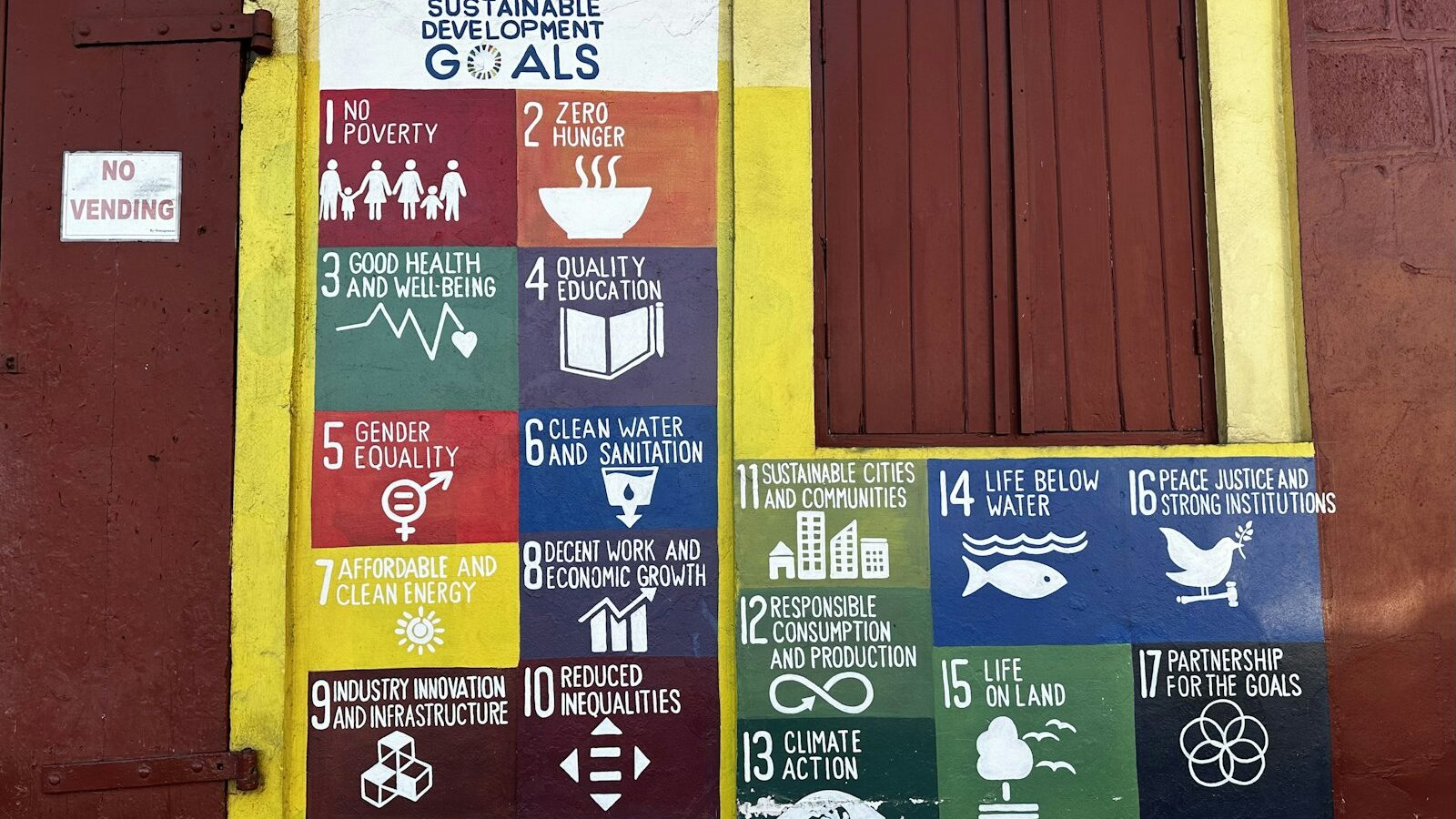
Sustainability used to sound like something only large listed companies worried about. That has changed. ESG for SMEs in Singapore is now a practical business issue, driven by bigger customers asking suppliers about their environmental practices, banks weighing sustainability in lending decisions, and a national push under the Singapore Green Plan. For a small or medium enterprise, getting started early is less about ticking boxes and more about staying competitive as expectations tighten across supply chains.
The good news is that you do not need a sustainability department to begin. This guide explains what ESG actually means, why it matters for smaller firms, and how to take sensible first steps without overcommitting time or money.
What ESG Actually Means for a Small Business
ESG stands for Environmental, Social, and Governance, three lenses for looking at how a business operates beyond its profit and loss.
- Environmental covers your impact on the planet: energy and water use, waste, emissions, and how your products or services affect the environment.
- Social covers how you treat people: employees, customers, suppliers, and the community. Fair employment, workplace safety, and data protection all sit here.
- Governance covers how the business is run: ethics, transparency, record-keeping, and how decisions are made and controlled.
For an SME, ESG is simply a structured way to manage risks and responsibilities you already have. Reducing energy waste cuts costs. Treating staff well improves retention. Sound governance builds trust with banks and partners. Framed this way, ESG is not a distraction from running the business; it is part of running it well.
Why ESG Matters for Singapore SMEs
Several forces are converging to make sustainability relevant even to the smallest firms. Large corporations and multinationals increasingly ask their suppliers for environmental data, so an SME that cannot answer basic questions may lose a contract to one that can. Financial institutions are integrating sustainability into how they assess and price lending. And the Singapore Green Plan sets the national direction toward a lower-carbon economy, which over time shapes regulation, incentives, and market expectations.
There is also a talent and reputation dimension. Younger employees and customers increasingly prefer to work with and buy from businesses that take sustainability seriously. Getting ahead of these shifts positions your firm as a partner of choice rather than a laggard scrambling to catch up.
Support is available too. Agencies such as Enterprise Singapore run programmes and resources to help SMEs build capabilities, and there are grants and schemes aimed at productivity and sustainability. Because eligibility criteria, funding levels, and programme details change, check the current schemes and amounts on the Enterprise Singapore and gov.sg websites rather than assuming what applies. Our overviews of business grants in Singapore and government startup grants are good starting points for the funding side.
Taking Practical First Steps
You do not have to do everything at once. Sustainability for an SME is best approached as a sequence of manageable steps, each of which delivers value on its own.
- Understand your footprint. Start by looking at where you use energy, water, and materials, and where you generate waste. You cannot manage what you have not measured, even roughly.
- Pick quick wins. Switch to more efficient lighting and equipment, reduce single-use materials, cut unnecessary printing, and tighten procurement. Many of these lower costs immediately.
- Engage your team. Sustainability sticks when staff are involved. Small behaviour changes across a team add up, and employees often spot savings management misses.
- Look at suppliers. Ask your own suppliers about their practices, and factor sustainability into purchasing decisions where it makes sense.
- Document and report. Keep simple records of what you are doing and the results. Even a basic internal report builds the habit and prepares you for external requests.
The point is momentum. A business that has started, however modestly, is far better placed than one still waiting for the perfect plan.
Approaches to ESG by Business Stage
Different businesses are at different points, and the right level of effort depends on your size, sector, and who your customers are. The table below sketches how ESG focus tends to shift as a company matures. Treat it as a guide, not a rulebook, and adapt it to your situation.
| Stage | Typical ESG focus | Reporting approach | Common first move |
|---|---|---|---|
| Just starting out | Basic good practices and compliance | Informal, internal notes | Cut energy waste and record it |
| Established SME | Cost savings and supplier requests | Simple internal report | Respond to customer ESG queries |
| Growing supplier | Meeting buyer and bank expectations | Structured self-assessment | Adopt a recognised framework |
| Scaling regionally | Formal targets and disclosure | Aligned to a reporting standard | Set measurable reduction goals |
As you move down the table, the effort rises, but so does the payoff in credibility and access to larger customers and financing.
Turning Sustainability Into an Advantage
The businesses that benefit most from ESG treat it as strategy rather than compliance. Cutting energy and material waste directly improves margins. Being able to answer a large buyer’s sustainability questionnaire can open doors that competitors cannot. Strong governance and fair employment practices reduce legal and reputational risk. Over time, a genuine sustainability story becomes a marketing asset that resonates with customers and staff alike.
Keep expectations realistic. You will not transform overnight, and you should be wary of overclaiming, since exaggerated green marketing can backfire. Focus on real, measurable improvements you can back up, and communicate them honestly.
This article is general information only, and schemes, standards, and requirements change over time. Verify the current details with Enterprise Singapore, gov.sg, and any relevant authority before acting, and treat funding or tax-related points as general information rather than personalised financial or tax advice. Start small, stay consistent, and let your sustainability efforts compound alongside your business.
Explore More
Build on these foundations with our guides to business grants in Singapore and government startup grants for funding that can support sustainability projects. To see how efficiency ties into technology, read productivity and automation for SMEs in Singapore, and for the national context see the Singapore Green Plan and sustainability.