
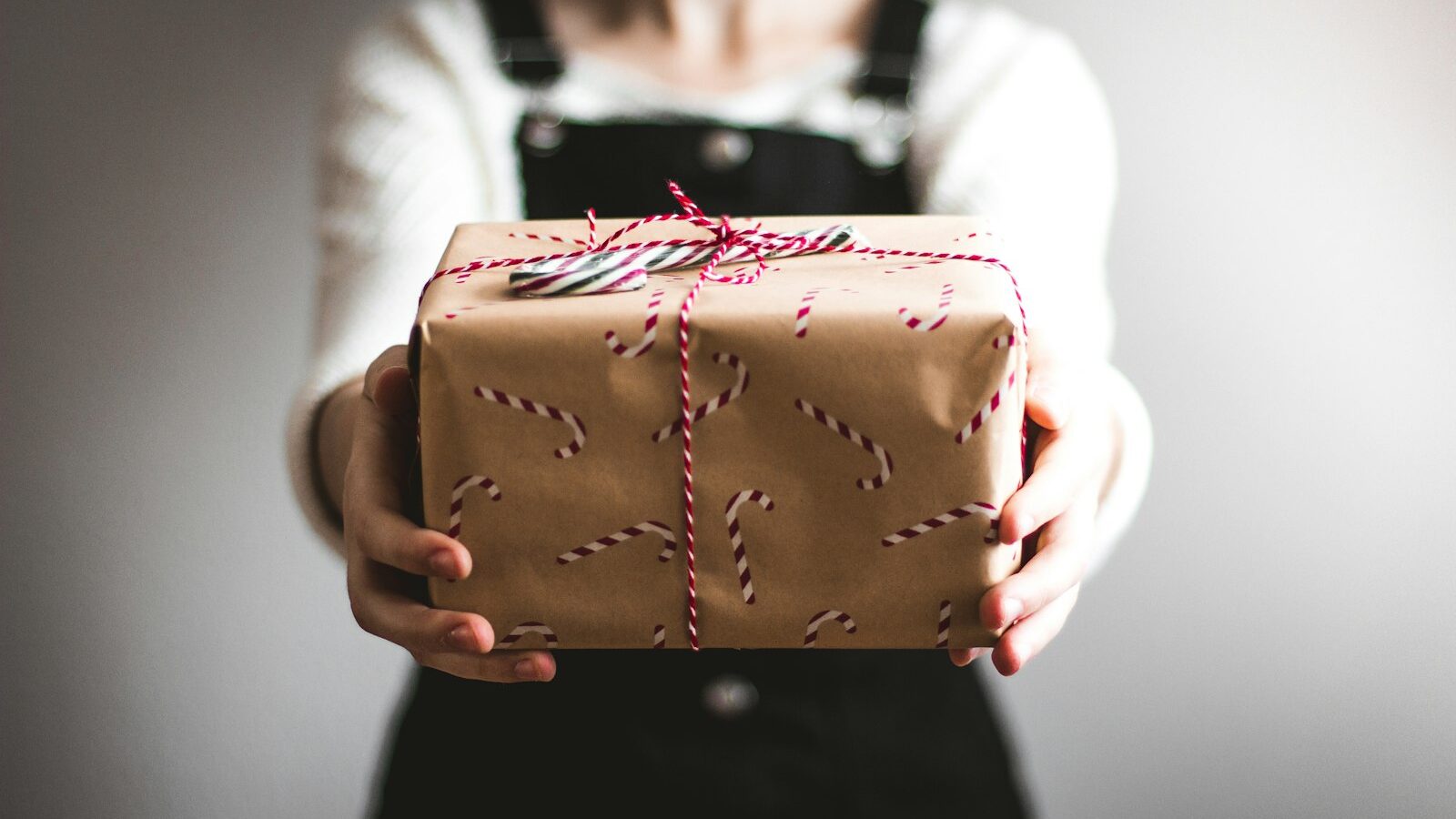
We love to give. Birthdays, weddings, Christmas, Chinese New Year, Hari Raya, Deepavali, housewarmings and baby showers all come with the happy pressure to bring something. The trouble is that a lot of what we give ends up unloved: the scented candle nobody lights, the third phone stand, the novelty mug that quietly migrates to the back of a cupboard. Sustainable gifting Singapore-style is not about giving less love, it is about giving in a way that fits our small flats and our warm culture without adding to the pile. The good news is that a thoughtful, low-waste gift is almost always a better gift too. This guide walks through the options, from experiences and consumables to second-hand finds, handmade touches and plastic-free wrapping, so you can give something meaningful without the waste.
Give Experiences Instead of Things
The simplest way to give without adding clutter is to give an experience rather than an object. A meal out, a workshop, a spa session, tickets to a show or a garden, a cooking class, a day trip: these leave a memory instead of something to store. In a city of compact homes, the gift of a good afternoon is often more welcome than one more item on a shelf.
Experiences suit almost everyone, and they scale to any budget. A few ideas that travel well here:
- A kopi or brunch date, which doubles as time together.
- A class the person has always wanted to try, from pottery to a plant workshop.
- Entry to an attraction, a nature reserve tour, or a museum they have not visited.
- A treat like a massage, a haircut, or a nice meal for someone who never splurges on themselves.
The one thing to watch is the follow-through: an experience is only a gift if it actually happens, so pair it with a note and, ideally, a date in the diary.
Consumable and Genuinely Useful Gifts
If you would rather give an object, choose one that gets used up or truly earns its keep. Consumables are the workhorses of low-waste giving because they disappear into daily life rather than into storage. Think good coffee, tea or a spice set, a box of the person’s favourite snacks, nice soap, or a plant for the balcony. For someone who cooks, a quality ingredient they would not buy themselves is a small luxury.
The other safe category is the genuinely useful: something the person already needs and will replace with a better version. A sturdy reusable water bottle, a good umbrella for our sudden downpours, a proper knife for a keen cook, or a well-made bag. The test is honest and simple: will this be used often, or will it become clutter? If you are not sure the person wants it, a consumable or an experience is the safer bet.
Second-Hand, Handmade and Local
A pre-loved gift can be thoughtful rather than cheap, especially for things that hold their value or improve with age. A good-condition book, a vinyl record, a vintage find, a piece of jewellery: buying pre-loved keeps an item in use and often lets you give something with more character than a mass-market equivalent. Frame it warmly and honestly, and most people are delighted.
Handmade gifts carry effort that money cannot buy, and they need not be elaborate. Baked goods, a jar of something you made, a knitted or sewn piece, a framed photo, or a playlist with a handwritten note all say you spent time, not just money. Supporting local makers and small Singapore businesses is another greener route: it keeps money in the community, often means shorter supply chains, and yields gifts you will not see everywhere. Look for makers who use natural or recycled materials and who can tell you where things come from.
Wrapping Without the Waste
So much gifting waste is the wrapping, not the gift. Single-use paper, plastic film, ribbon and bows are often used for a few seconds and then binned, and glittery or laminated paper usually cannot be recycled at all. Because contamination is a real problem for our recycling stream, which the National Environment Agency (NEA) manages, keeping messy wrapping out of the blue bin matters.
Kinder alternatives are easy and often prettier:
- Furoshiki, the Japanese art of wrapping in a reusable cloth, which becomes part of the gift.
- A scarf, tea towel, tote bag or nice box that the person keeps and reuses.
- Plain kraft paper decorated with twine, a sprig of leaves, or a stamp, all of which recycle or compost.
- Reusing gift bags, ribbon and paper you have saved, a quietly Singaporean habit worth keeping.
If you receive well-wrapped gifts, fold and save the paper and bags to pass on. A small stash of reusables makes low-waste wrapping effortless next time.
E-Vouchers, Group Gifts and Giving Money Well
Sometimes the greenest gift is no physical object at all. A well-chosen e-voucher lets the person pick exactly what they want, avoids shipping and packaging, and never becomes clutter. Choose a shop or experience you know they like so it does not go unused, and check the terms so it does not expire unnoticed. For many occasions here, a red packet or a considered cash gift is both traditional and, frankly, the most useful thing you can give.
Group gifting is another quiet win. Rather than five people giving five small things, pool together for one meaningful gift the person actually wants, which cuts both waste and cost. It works beautifully for weddings, big birthdays and farewells, and it takes the guesswork out of giving.
Matching the Gift to the Person and Occasion
Different gifts suit different people and moments. Use this table as a starting point, then let what you know about the person be the final guide.
| Gift type | Sustainability | Who it suits |
|---|---|---|
| Experiences and classes | High, nothing to store | People with full homes; memory-lovers |
| Consumables and treats | High, used up | Almost anyone; safe default |
| Second-hand and vintage | High, keeps items in use | Book, music and character lovers |
| Handmade and local | High, low-footprint | Sentimental folks; supporters of makers |
| E-vouchers and cash | High, no packaging | Hard-to-buy-for people; any big occasion |
| Genuinely useful items | Medium, only if wanted | Someone with a clear, known need |
| Novelty and “just because” objects | Low, clutter risk | Best avoided; choose the above instead |
Two more habits close the loop. First, avoid clutter by resisting the urge to give something just to have something to hand over; a card and an experience beat a token object. Second, regift well rather than guiltily: if a gift is not right for you but perfect for someone else, passing it on unused is thrifty and green, as long as you do it thoughtfully and never back to the original giver. For weddings, honour the couple’s registry or wishlist if they have one, since it tells you exactly what will be used and loved.
Explore More
Gifting is one happy corner of a bigger picture. If you are planning a celebration, see our guide to eco-friendly celebrations in Singapore for low-waste parties, decorations and festivities. And if giving well has you rethinking what you buy in general, minimalism and conscious consumption in Singapore explores a calmer, less cluttered relationship with stuff all year round.