
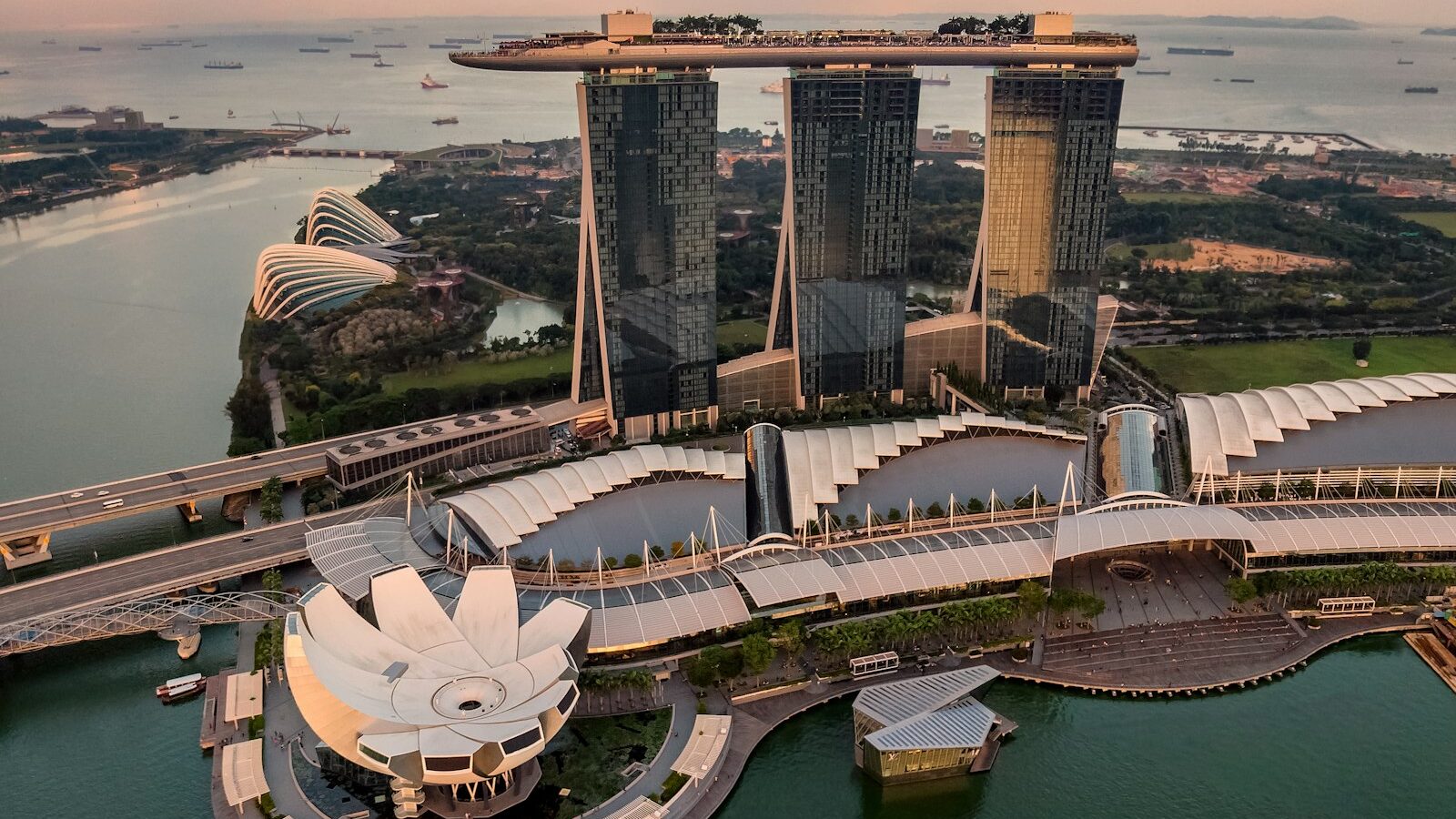
Sustainable travel singapore style starts with an honest fact: we live in one of the world’s great flight hubs, and flying is by far the heaviest part of most trips. That is not a reason to feel guilty about wanting to see the world. It is a reason to be thoughtful about how often we fly, how far, and what we do once we land. This guide is practical and balanced, not preachy. The goal is to help you keep travelling, keep enjoying it, and quietly shrink the footprint of each journey without turning every holiday into a chore.
We will keep numbers general on purpose. The exact emissions of any trip depend on the route, the aircraft, how full it is and where you stay, and those change over time. What stays useful is understanding which choices move the needle and which barely register.
Why Flying Is The Part That Matters Most
For most people leaving Singapore, the flight dwarfs everything else about a trip. The reusable bottle, the refused hotel toiletries and the recycled boarding pass are all fine habits, but they are rounding errors next to the plane itself. A single long-haul return can outweigh a lot of careful living back home. Being clear-eyed about this is what makes the rest of the guide worthwhile: it tells you where to spend your effort.
The heartening part is that flying less does not mean travelling less well. Fewer, longer, more considered trips often turn out richer than a scatter of quick getaways, and they usually cost less overall too. The aim is a better ratio of experience to emissions, not a vow to stay home.
Fly Less, And Fly Better
If the flight is the big lever, this is where your choices count most. A few realistic habits make a real difference without ruining the fun.
- Take fewer, longer trips. One two-week holiday generally beats three long weekends abroad, both for your footprint and for actually unwinding. Stay put once you arrive rather than hopping between cities by air.
- Explore the region overland. Southern Malaysia, and destinations reachable by land or short journeys, let you travel without a boarding pass. Johor Bahru and beyond are close enough to reach by bus or car, and the wider region rewards slower travel by rail and road.
- Favour direct flights. Take-off and landing are the fuel-hungry parts, so a non-stop route usually beats one with connections for the same distance.
- Fly economy. Premium and business seats take up far more space per person, which spreads a plane’s emissions across fewer travellers. Economy is the lighter choice as well as the cheaper one.
- Combine trips. If two journeys can become one well-planned loop, you save a whole set of flights.
None of this asks you to give up travel. It asks you to be deliberate about the trips that carry the most weight.
Getting Around Without The Plane
The overland option is genuinely underrated from Singapore. Crossing into Malaysia by land opens up beaches, highlands, heritage towns and food trails that never need an airport. Trains and buses through the region let you watch the landscape change instead of skipping over it, and rail in particular is one of the lowest-impact ways to cover distance.
Slower travel has real upside beyond the footprint. You see more of ordinary life, you spend money in smaller towns rather than only big-city hubs, and you often stumble on the parts of a trip you remember most. Even mixing modes, taking the train one way and flying back, cuts the impact while keeping things convenient.
Choosing How You Travel: A Quick Comparison
When you are weighing a decision, it helps to see the greener alternative side by side. None of these are rules, just directions that usually lower impact.
| Common travel choice | Greener option |
|---|---|
| Several short-haul getaways a year | Fewer, longer trips that go deeper |
| Flying to nearby destinations | Overland to Malaysia by bus, car or rail |
| Multi-stop itinerary with connections | Direct flight on the most efficient route |
| Business or premium seat | Economy, which shares emissions more widely |
| City-hopping by plane on holiday | One base, with local transport and day trips |
| Large resort with heavy air-con and imports | Smaller, locally run eco-accommodation |
| Buying single-use water and toiletries abroad | Refillable bottle, bar soap and packed reusables |
The pattern is consistent: slower, simpler and more local tends to be lighter. Use the table as a nudge, not a scorecard.
Where You Stay And What You Do
Once you have landed, accommodation and activities are the next choices worth a little thought. Look for places that make a genuine effort rather than just displaying a leaf on the door: smaller, locally owned guesthouses, stays that manage water and energy carefully in hot climates, and operators who employ and source locally. Independent guesthouses often tread more lightly than sprawling resorts that run cold air around the clock and fly in imported everything.
For activities, favour the low-impact end. Walking tours, cycling, snorkelling, hiking and wildlife watching done responsibly leave little behind. Keep your distance from animals, skip attractions that keep wildlife captive for photos, stay on marked trails, and follow reef-safe and litter-free habits. Spending at family-run eateries, markets and small shops keeps more of your money in the community you came to see.
Respect is part of sustainability too. Learning a few local phrases, dressing appropriately at temples and villages, asking before photographing people, and following local customs all make you a better guest. Low-impact travel is as much about how you behave as what you buy.
Packing Light And Treading Lightly
Small habits round out the picture, as long as you remember they are the finishing touch rather than the main event. Packing light genuinely helps, since a lighter bag means a lighter plane, and it makes overland travel far easier. Bring the reusables you already rely on at home so you are not buying throwaways abroad.
- A refillable water bottle, and a filter or purification tablets where tap water is not safe.
- A foldable bag for shopping and market runs.
- Bar soap and shampoo, plus your own toiletries, so you skip hotel miniatures.
- Reusable cutlery or a set of chopsticks for street food and takeaways.
- A small container for leftovers, which cuts food waste on the road.
These habits carry over from everyday life, which is the point. Travel is just home with a different backdrop.
A Sensible Word On Carbon Offsets
You will often be offered carbon offsets when booking flights. They can play a role, but treat them with caution rather than as a clear-conscience button. Quality varies a great deal, some projects do not deliver the reductions they promise, and paying to offset should never stand in for flying less in the first place. If you do choose to offset, look for reputable, independently verified projects, and see it as a supplement to reducing your impact, not a replacement. The order that matters never changes: cut what you can first, then consider offsetting what is left.
Sustainable travel from Singapore is not about never boarding a plane. It is about flying with intention, saying yes to the overland trip now and then, choosing gentler places to stay, and carrying good habits with you. Pick one change for your next trip and let it stick.
Explore More
Bring these habits home once you land. Start with everyday journeys in green commuting in Singapore, then see how travel fits the bigger picture in reducing your carbon footprint in Singapore. Together they show how the choices you make on holiday and at home pull in the same direction.