
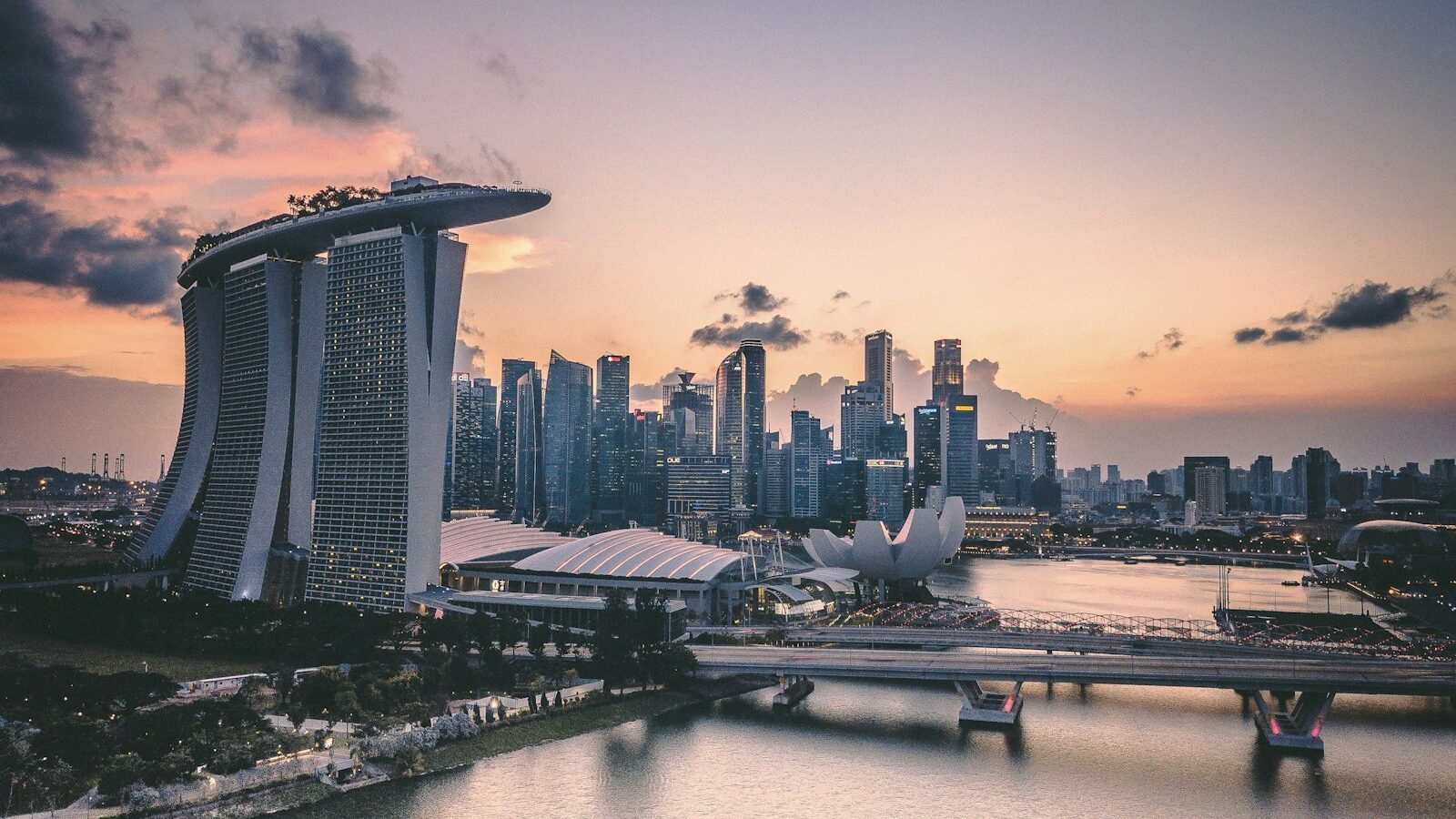
Singapore recognises four official languages, and the arrangement reflects the country’s history and its multi ethnic make up. The four official languages Singapore uses are English, Malay, Mandarin, and Tamil, and Malay holds the additional status of national language. This guide explains what each language is, how they are used, and why the country settled on this particular set. It is a factual overview; the Constitution and government sources are the authoritative references for the formal position.
The Four Official Languages
An official language is one that the state formally recognises for use in government and public life. Singapore has four, and they map onto the main communities that make up the population.
- English, which serves as the common working language across government, business, and education.
- Malay, which is also the national language and carries symbolic and ceremonial roles.
- Mandarin, as the recognised Chinese language, associated with the Chinese community.
- Tamil, associated with much of the Indian community.
Having four official languages means that the state acknowledges the linguistic heritage of its major communities rather than elevating a single one above the rest. This multilingual recognition is a deliberate feature of how Singapore presents itself as a society of several communities living together.
It is worth distinguishing a few terms that are easy to confuse. An official language is one recognised by the state for use in public administration and law. A national language carries a symbolic, national status. A mother tongue, in the way Singapore uses the term, refers to the language associated with a person’s community and studied in school. A single language can hold more than one of these roles at once, which is exactly the case with Malay, and keeping the categories separate makes the overall picture much clearer.
Malay as the National Language
A point that often surprises newcomers is that while English is the most widely used language in official settings, Malay is the national language. These are two distinct statuses, and it helps to keep them apart.
The national language designation is largely symbolic and historical. It reflects the region Singapore sits in and the place of the Malay community as the indigenous community of the area. The most visible expression of this status is that the national anthem, “Majulah Singapura”, is sung in Malay, and Malay words feature in certain ceremonial and military commands.
Being the national language does not mean Malay is the main language of administration. That practical role belongs to English. The two statuses coexist: Malay carries a symbolic and heritage significance as the national language, while English carries the day to day working load of a modern administration.
English as the Main Working Language
English is the language in which most government business, law, and schooling are conducted, and it is the shared medium that lets people from different communities communicate. There are practical reasons this role fell to English.
- As a language that does not belong to any one of the local communities, English offers neutral common ground in a multi ethnic society.
- It connects Singapore to international trade, finance, science, and technology, where English is widely used.
- It allows a single medium of instruction across schools, which supports a common educational experience.
This is why, even though there are four official languages, English is the one you will most often encounter in official documents, signage, and public communication, usually alongside the others.
The prominence of English does not diminish the standing of the other three languages. Their recognition as official languages means they retain a formal place in national life, and the state continues to support their use in education, media, and community activities. The arrangement is best understood as a division of roles rather than a ranking, with English carrying the practical administrative load while Malay, Mandarin, and Tamil anchor the identities of their communities.
| Language | Community associated | Notable role |
|---|---|---|
| English | Shared across all communities | Main working language of government, law, and schools |
| Malay | Malay community | National language, used in the anthem and ceremonial commands |
| Mandarin | Chinese community | Recognised Chinese language, taught as a mother tongue |
| Tamil | Indian community | Recognised language of much of the Indian community |
Where Each Language Is Used
In everyday life the four languages appear in overlapping ways rather than in strictly separate spheres. Official announcements, public information campaigns, and transport signage are often produced in more than one language so that different communities can be reached. Broadcasting and news are available across the languages, and public services aim to be accessible to speakers of each.
In schooling, the languages connect to the country’s approach to education, where students learn English as the medium of instruction and study a mother tongue. That link is explained further in the guide to the bilingual and mother tongue policy. The result is that most residents encounter English constantly, while also maintaining a connection to Mandarin, Malay, or Tamil depending on their background.
Why Singapore Has Four Official Languages
The choice of four official languages is rooted in Singapore’s history as a meeting point of communities and in the goal of building a nation from a diverse population. Recognising the languages of the major communities was a way to signal that no single group’s heritage would be erased, while adopting English as a common working language provided a shared and neutral medium for a modern state.
This balance, symbolic recognition of community languages together with a practical common language, has remained a stable feature of Singapore’s language framework. The formal position is set out in the country’s founding documents and the Constitution, and government sources describe how the languages are used in public life. For any specific legal or ceremonial detail, those official sources are the ones to consult, since summaries like this one are meant to orient rather than to serve as the definitive text.
Explore More
Language sits at the heart of how Singapore educates its citizens. To understand how the four languages translate into the classroom, read about the bilingual and mother tongue policy, which explains how students learn English alongside a mother tongue and why the system is designed that way.