
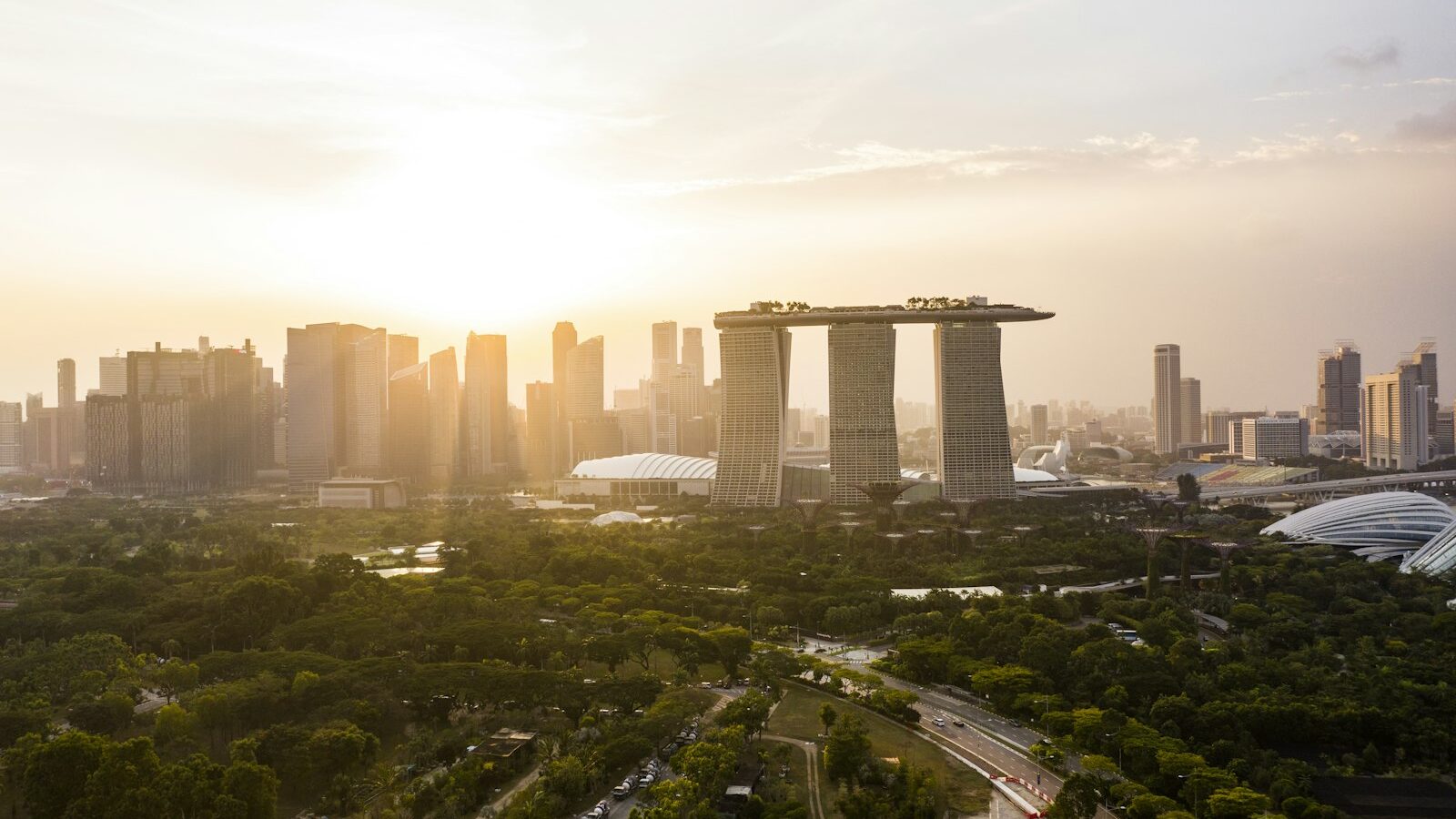
The singapore green plan is the country’s national sustainability roadmap, a way of pulling many different green goals under one shared direction. Officially the Singapore Green Plan 2030, it sets out broad ambitions for how the island can grow more sustainably over the coming years, touching energy, nature, transport, waste, jobs and daily life. This guide keeps things factual and neutral. It explains what the plan is, the general shape of its pillars, who leads it, and how it shows up in ordinary routines. For exact targets, dates and the latest updates, the official Green Plan website is the place to look, since those specifics are reviewed and updated over time.
Think of the Green Plan less as a single law and more as an umbrella. Many existing schemes, agency programmes and long-term goals sit beneath it, aligned so they point the same way. That is its main value: it gives a whole-of-nation sense of direction, and a common language for progress, rather than a scattered set of unrelated efforts.
What the Green Plan Actually Is
At its heart, the Green Plan is a coordinated statement of intent across government, businesses and the community. It recognises that sustainability is not one ministry’s job, so it spans several agencies and sectors at once. The plan is usually described through a set of pillars, each covering a broad area of national life.
The pillars are best understood as themes rather than checklists. They signal where the country wants to head, for example towards more greenery, cleaner energy, less waste, a greener economy and stronger long-term resilience. The precise targets attached to each theme are set by policy and can change, so the durable takeaway is the direction of travel, not any single figure.
The Main Pillars in Plain Terms
The Green Plan is commonly organised around several pillars. Names and framing may be refined over time, so treat the descriptions below as a general guide and confirm current details on the official site.
- City in Nature. Weaving more greenery and biodiversity through the island, with more trees, parks and nature-friendly spaces, so the built-up city feels closer to nature.
- Energy Reset. Shifting towards cleaner and more efficient energy, including greater use of solar where space allows and steadily greener transport.
- Sustainable Living. Making low-carbon, low-waste choices a natural part of daily life, from recycling and reducing waste to using less water and energy at home.
- Green Economy. Growing new sustainability-focused industries, jobs and investment, so that going green also creates opportunity and skills.
- Resilient Future. Strengthening the island against climate impacts, including coastal protection, food security and a more robust environment overall.
Seen together, these pillars cover the places most of us live our lives: our neighbourhoods, our energy and transport, our homes and habits, our work, and our long-term safety.
A Quick Pillar Reference
The table below summarises what each pillar broadly covers and where its effects tend to show up. It is a simplified overview to help you get oriented, not a full statement of official scope.
| Green Plan pillar | What it broadly covers | Where you notice it |
|---|---|---|
| City in Nature | Greenery, parks, trees, biodiversity | More green spaces and nature near home |
| Energy Reset | Cleaner, more efficient energy and transport | Solar panels, greener buses and vehicles |
| Sustainable Living | Everyday low-waste, low-carbon habits | Recycling, saving energy and water |
| Green Economy | Green jobs, industries and investment | New skills, roles and business areas |
| Resilient Future | Climate resilience and security | Coastal defences, food and water planning |
Who Leads It
Because the Green Plan spans so many areas, it is led jointly rather than by a single body, and different agencies take the lead on different pillars. In broad terms, the National Environment Agency (NEA) is central to waste, recycling and environmental quality; PUB oversees water; the Energy Market Authority (EMA) is key to energy; NParks drives greenery and biodiversity under the City in Nature theme; and the Building and Construction Authority (BCA) shapes greener buildings. The National Climate Change Secretariat helps coordinate the wider climate response that the plan connects to.
This shared ownership is deliberate. Sustainability cuts across ministries, so the plan is designed to align them, with progress reported and refined over time. If you ever want to know exactly which agency runs a particular scheme, the official Green Plan and agency websites lay this out clearly.
How It Touches Everyday Life
The Green Plan can sound abstract, but it filters down into familiar, practical things. You do not need to track policy to feel its direction.
- Getting around. Continued investment in public transport, cycling paths and greener vehicles supports the shift towards lower-emission travel, so everyday journeys gradually get cleaner.
- Waste and recycling. Efforts to reduce waste and recycle better, including familiar NEA initiatives and the blue recycling bins, are part of the Sustainable Living direction.
- Greenery around you. More parks, park connectors, community gardens and roadside greenery reflect the City in Nature push, which many people notice simply as a leafier neighbourhood.
- Work and skills. The Green Economy theme points to new roles and industries in sustainability, which is why green careers are a growing area to watch.
None of this asks any single person to do everything. The plan works by nudging the whole system, so that the greener choice becomes easier, more available and more normal over time. Your own steady habits, from recycling correctly to saving energy at home, quietly line up with the same direction.
A final, important note: because the Green Plan is a living roadmap, its specific targets, dates and figures are updated periodically. Always check the official Singapore Green Plan website for the current numbers rather than relying on older summaries, so you are working from the latest picture.
Explore more
To understand the risks the plan is responding to, read Climate Change and Singapore for a plain guide to how a warming world reaches a low-lying island. And if the Green Economy pillar caught your eye, see Green Jobs and Sustainable Careers in Singapore for where the opportunities are growing.