
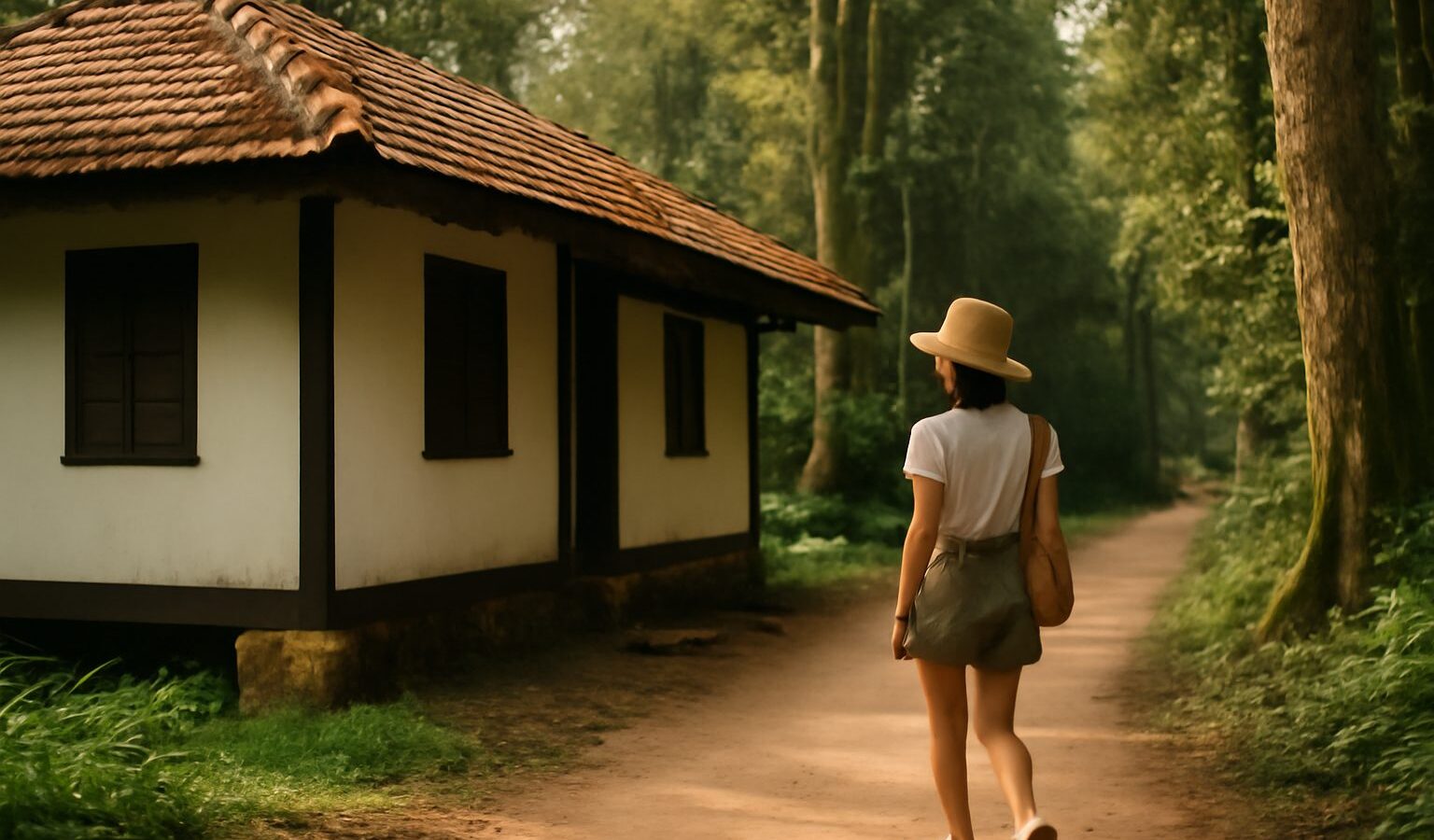
Tucked along Upper Thomson Road, Thomson Nature Park Singapore is one of the newer additions to our green network, and it feels wonderfully different from a manicured city garden. This is a heritage and habitat park rolled into one: a place where you can walk past the mossy ruins of an old Hainan village while keeping an eye out for macaques, birds and, if you are very lucky, the rare Raffles’ banded langur. It sits as a gentle buffer to the Central Catchment Nature Reserve, so a visit here feels like stepping into the forest without needing serious hiking experience.
If you enjoy a walk with a story behind it, this park rewards you. The trails are short, the shade is generous, and the sense of history is real. Here is what to expect and how to make the most of a morning out.
What makes Thomson Nature Park special
The land here was once home to a Hainan village, a rural kampong community that farmed and lived among these slopes decades ago. When the park was developed, the old structures were not bulldozed away. Instead, the crumbling house platforms, staircases and remnants were carefully retained and folded into the trail experience. Walking the loops, you come across weathered concrete steps that lead nowhere, old wells and foundations slowly being reclaimed by the forest. It is quietly moving, and it makes the park feel layered in a way most green spaces are not.
Just as important is the wildlife role the park plays. It forms part of a habitat corridor for the Raffles’ banded langur, one of Singapore’s most endangered primates, and the surrounding forest supports birds, butterflies, squirrels and the more commonly seen long-tailed macaques. The streams that thread through the valley are home to freshwater life, and NParks has kept large stretches deliberately natural rather than paved over.
Trails and what to see
Thomson Nature Park is organised into a series of interlinked trails, each with its own character. You can string several together for a longer outing or pick just one for a relaxed stroll.
| Trail focus | Best for | Rough feel |
|---|---|---|
| Ruins and heritage loop | History lovers, families | Easy, shaded, gentle slopes |
| Stream and fern areas | Nature and photography | Cooler, damp near water |
| Fig and fruit tree stretches | Birdwatchers | Slower paced, watch the canopy |
| Higher forest paths | Keen walkers | Longer, more undulating |
The heritage sections are the headline draw, with interpretive signs helping you picture village life. The stream areas are lovely and cool, often a few degrees more comfortable thanks to the water and dense canopy. Bring binoculars if you have them; the fig trees can be busy with birds when they fruit. Please treat the ruins gently and stay on marked paths, as the forest either side is protected habitat.
For exact trail names, current lengths, closures and opening hours, check the official NParks page before you go, since routes can be adjusted for maintenance or conservation work.
Wildlife, safety and forest etiquette
The macaques are the animals you are most likely to meet, and the golden rule is simple: do not feed or touch them, and do not let them see food or plastic bags. Feeding wildlife makes animals bold and aggressive, which is bad for them and for the next visitor. Keep snacks sealed and out of sight, walk calmly, and give any monkey plenty of space. If one approaches, stay composed and do not tug back on bags.
The same respect applies to everything else. This is living habitat, so take only photos, keep noise down, and stick to the paths. Wear covered shoes with grip, as tree roots and damp patches can be slippery, especially after rain.
Our weather deserves a plan of its own. Go early, ideally soon after opening, to beat both the heat and the midday crowds. Bring more water than you think you need, wear a hat and light long sleeves, and pack insect repellent because the shaded, streamside sections can get buggy. There is limited shelter deep in the park, so watch the forecast; if a thunderstorm rolls in, leave the forest promptly rather than sheltering under tall trees.
Who it suits
Thomson Nature Park works for a lovely range of visitors. Families with primary-school children will enjoy the ruins as a real-life history lesson, and the trails are short enough for little legs, though a carrier suits toddlers better than a stroller on the uneven stretches. Couples and friends looking for a calm, low-cost morning out will appreciate the quiet and the greenery. Keen nature lovers and birdwatchers can happily lose an hour or two watching the canopy.
It is less suited to anyone wanting facilities, playgrounds or food stalls inside the park, or to those needing fully step-free access throughout. Come for the walk and the atmosphere, not for amenities.
Getting there and planning your visit
The park runs along Upper Thomson Road and is served by buses along that stretch, so public transport is straightforward. With the Thomson-East Coast Line now running, Springleaf and Upper Thomson stations put you within reach, though you may still want a short bus ride or a brisk walk to the entrance, so check your route on a maps app first. Drivers should look for the designated car park, which can fill up on weekend mornings.
Set aside one to two hours for a comfortable visit, more if you plan to link several trails or linger with a camera. There are basic facilities near the entrance, but bring your own water and snacks for the trail. Aim for a weekday or an early weekend start for the most peaceful experience, and pair it with a kopi stop along Upper Thomson afterwards, one of the best coffee neighbourhoods in the north.
Because conditions in a nature park change with the weather and season, always defer to NParks for the latest on trail status, opening hours and any advisories before setting off.
Explore more
If Thomson leaves you wanting more forest, nearby Windsor Nature Park offers boardwalks and its famous Venus Loop as another gentle gateway to the Central Catchment. For a walk with a quarry view and a slice of natural history, try Dairy Farm Nature Park, and for a newer park built around a restored freshwater wetland, see Rifle Range Nature Park.