
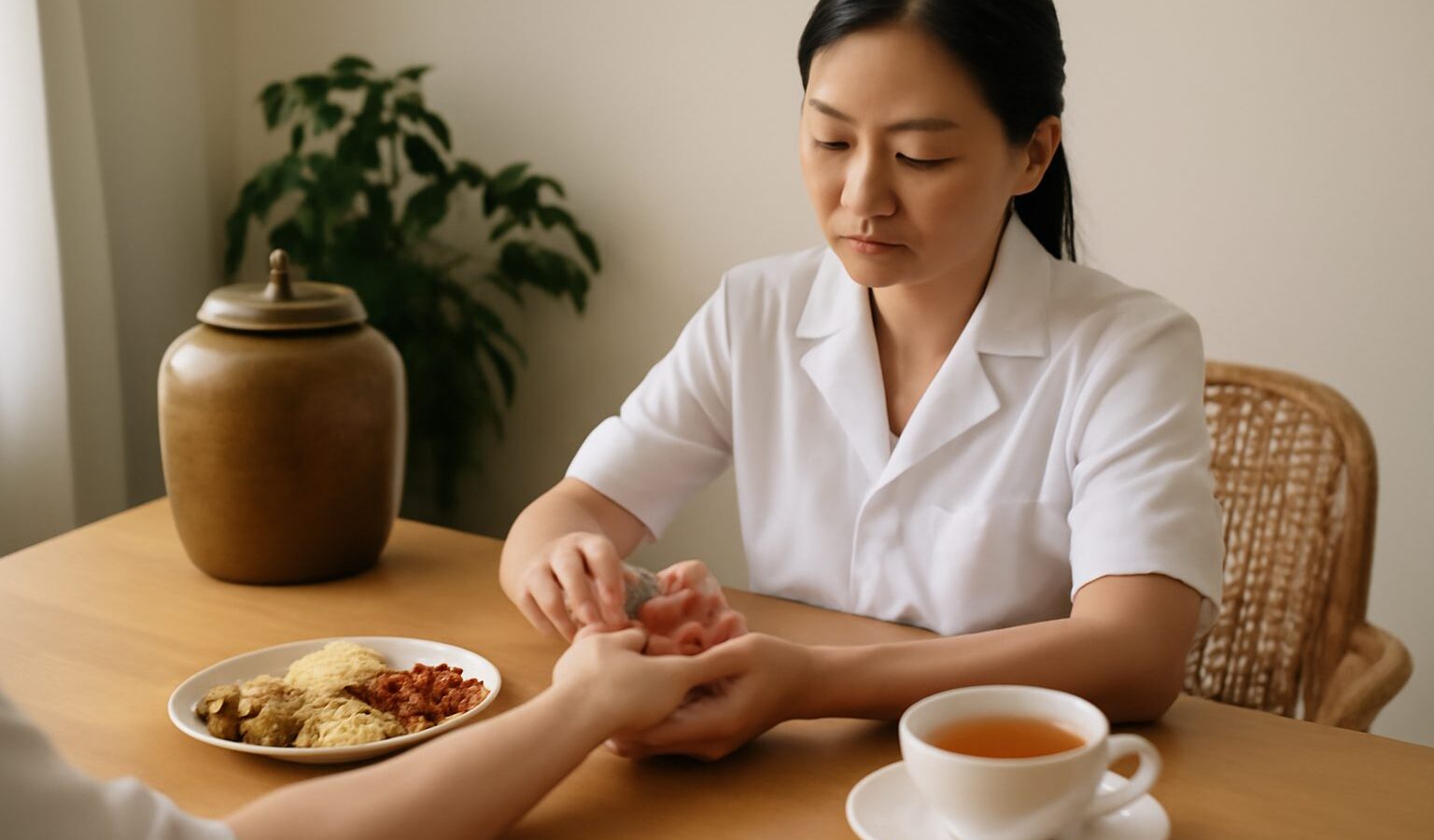
If you grew up in mainland China, seeing a 中医 for a persistent cough, aches or general 调理 is second nature, and you will be glad to know the practice is alive and well here. Finding a good TCM clinic in Singapore is very doable, but the system is set up a little differently from home, and knowing how it is regulated helps you choose wisely. This guide is general navigational information, not medical advice or treatment claims. For any serious or worsening condition, please see a doctor promptly, and treat anything below as a starting point for your own questions.
How TCM Is Regulated in Singapore
The most reassuring thing for a newcomer to understand is that traditional Chinese medicine here is properly regulated. TCM practitioners in Singapore are overseen by the TCM Practitioners Board, a statutory body that works under the Ministry of Health. Practitioners such as Chinese physicians and acupuncturists must be registered with the Board before they can practise, which gives you a clear standard to look for.
This is a useful contrast with the informal arrangements some newcomers remember from smaller clinics back home. In Singapore, registration means the practitioner has met defined training and qualification requirements and is accountable to a professional body. When you visit a clinic, you can reasonably expect the physician treating you to be a registered TCM practitioner. If you are ever unsure, you are entitled to ask, and the Board is the correct authority for checking registration and for how the profession is governed. Because rules and registers are updated over time, confirm any current requirement or a specific practitioner’s standing with the TCM Practitioners Board and MOH rather than relying on hearsay.
What TCM Clinics in Singapore Offer
TCM clinics here cover much of what you would find in China, though the mix varies from place to place. Common services include:
- Consultation with a Chinese physician, including pulse and tongue diagnosis
- Herbal medicine, dispensed as raw herbs to brew, granules, or ready-made preparations
- Acupuncture and related techniques such as cupping and moxibustion
- Tuina therapeutic massage and bone-setting for musculoskeletal complaints
- Advice on diet and daily habits from a TCM perspective
You will find several kinds of provider. There are long-established charitable institutions and TCM halls, modern private chains in the heartlands and malls, single-physician neighbourhood clinics, and TCM departments attached to some healthcare groups. Chinese-speaking newcomers often feel immediately at ease because consultations are frequently available in Mandarin, and many physicians are comfortable with the terminology you already know.
How a First Visit Usually Works
A first consultation is generally straightforward. The physician will ask about your symptoms, history and lifestyle, and may check your pulse and look at your tongue in the familiar way. Based on this, they may prescribe herbs, recommend a course of acupuncture, or suggest tuina. If herbs are prescribed, staff will usually explain how to prepare or take them and how long to continue.
A few practical points help your visit go smoothly:
- Bring a list of any conditions you have and any medicines or supplements you already take, including anything prescribed by a Western doctor.
- Tell the physician if you are pregnant, managing a chronic illness, or seeing a GP or specialist for the same problem, so your care can be considered as a whole.
- Ask about the expected cost of consultation, herbs and any follow-up before you commit to a longer course.
- Keep receipts and any written prescription, which is helpful if you later see another practitioner.
TCM and conventional medicine are not either-or. Many residents use both, and a good physician will not discourage you from seeing a doctor when that is what a condition needs.
Understanding Costs and Payment
Fees at TCM clinics are not standardised, so they differ by clinic, physician and the treatment involved. A simple consultation costs less than a course of acupuncture or a fortnight of prescribed herbs, and charitable institutions may charge modest rates while premium private clinics charge more. Rather than relying on a figure a friend quotes, ask the specific clinic for its current charges up front.
Payment is generally out of pocket. Do not assume TCM is covered by government healthcare subsidies or by MediSave in the way some conventional treatments are, because coverage rules are specific and change over time. If a subsidy, insurance rider or employee benefit matters to you, confirm the current position directly with the clinic, MOH and your insurer before you rely on it. On the ground, most clinics accept PayNow, cards and the usual local payment methods, so the WeChat Pay and Alipay habit from home translates easily to Singapore’s own systems.
Choosing a Clinic You Can Trust
With many options available, a short checklist helps you compare clinics sensibly rather than picking the nearest signboard.
| What to check | Why it matters | How to confirm |
|---|---|---|
| Practitioner is registered | The legal standard to practise here | Ask the clinic; refer to the TCM Practitioners Board |
| Clear, upfront pricing | Avoids surprise bills for herbs or courses | Request a fee list before treatment |
| Hygiene and single-use needles | Basic safety for acupuncture | Observe the clinic; ask about their practice |
| Realistic, honest claims | Responsible care does not promise cures | Be wary of guaranteed or miracle results |
| Language and rapport | Clear communication aids good treatment | A short first consultation tells you a lot |
Be cautious of any clinic or product that promises to cure serious illness, pressures you into an expensive long course on the first visit, or discourages you from seeing a doctor. Responsible practitioners describe what they can reasonably help with and refer you onward when appropriate. If a health concern is severe, sudden or getting worse, do not delay conventional care while trying remedies, and seek a doctor or go to A&E as the situation warrants.
Settling Into Care Here
Bringing your trust in TCM with you is part of settling in, and Singapore makes room for it within a clear, regulated framework. Choose a registered practitioner, ask questions about cost and treatment, keep your Western and TCM care talking to each other, and use official channels, the TCM Practitioners Board and MOH, whenever you need to verify something. Do that, and you can enjoy the familiar comfort of Chinese medicine with the added confidence that comes from Singapore’s standards.
Explore More
Looking after your health as a newcomer often means learning several systems at once, so you may find our guide on dental care costs and CHAS subsidies in Singapore and our overview of healthcare subsidy tiers for citizens, PRs and foreigners useful. If you or a family member would value emotional support in your own language, see finding Mandarin-speaking counselling and mental health support.