
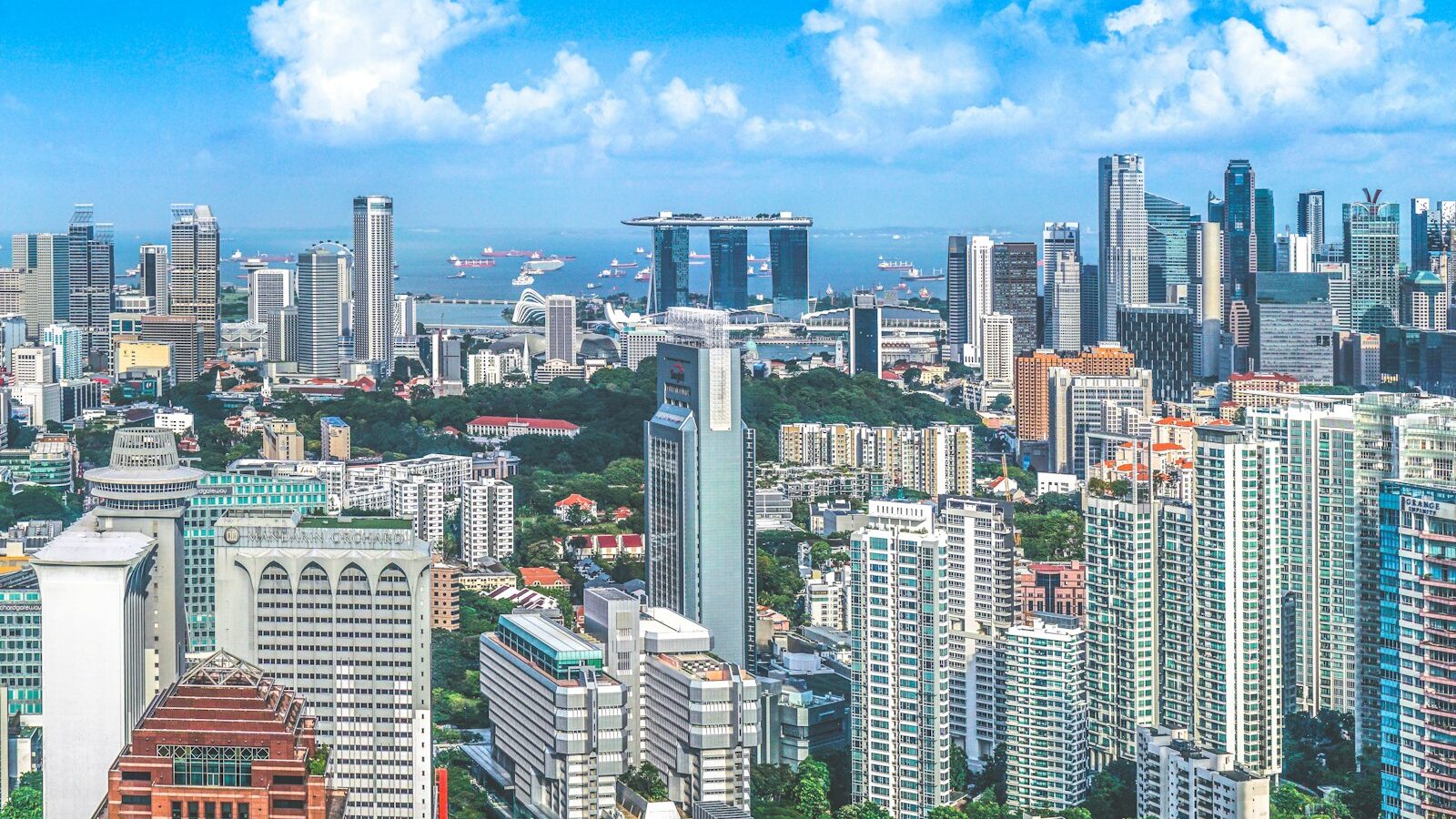
If you own a flat, condominium or landed home, understanding property tax in Singapore helps you plan your yearly finances and avoid surprises. Property tax is a yearly tax on property ownership, and it is calculated from your property’s Annual Value rather than from what you actually paid for the home. This article is general information and not legal, financial or tax advice, so always check the latest rules and figures with the Inland Revenue Authority of Singapore (IRAS), the official body for property tax.
What property tax actually is
Property tax is charged on immovable property such as homes, shops, factories and land. It is a tax on ownership, so you pay it whether or not the property earns rental income, and whether or not you have a mortgage. It is separate from income tax, stamp duty and any rental income tax you might owe.
The person or entity listed as the owner is responsible for paying. If you buy or sell during the year, the tax is usually apportioned between buyer and seller as part of the conveyancing process, and your lawyer will normally handle the adjustment at completion.
How the tax is worked out
Two things decide your bill: the Annual Value of the property and the tax rate that applies.
The Annual Value is IRAS’s estimate of the yearly rent the property could fetch if it were let out, excluding furniture and maintenance fees. IRAS reviews Annual Values from time to time to keep them in line with the rental market, so your figure can change even if nothing about the home itself has changed.
The rate then applied depends on how the property is used. Owner-occupied homes are taxed on a different, generally lower schedule than properties that are not lived in by the owner, such as those that are rented out or left vacant. Both schedules are tiered, so higher Annual Values attract higher rates on the upper portions.
Because rates, tiers and any reliefs are reviewed periodically and can be adjusted at the Budget, this guide does not quote specific percentages or dollar figures. Always read the current rates directly from the IRAS website before you calculate anything.
Owner-occupier rates versus non-owner-occupier rates
You benefit from the owner-occupier rate only if you actually live in the property and have applied for or been granted owner-occupier status. If you own more than one home, only one can enjoy this concession at a time. Renting your place out, or leaving it empty, generally moves it to the non-owner-occupier schedule, which carries higher rates.
If your circumstances change, for example you move out and let the property, you are expected to inform IRAS so the correct rate is applied. Failing to update your status can lead to back-billing.
What to expect through the year
IRAS issues property tax bills toward the end of the year for the following year. The bill sets out the Annual Value used, the rate applied and the total payable. Payment for the full year is generally due by the deadline printed on the bill, and paying by GIRO lets you spread the amount over monthly instalments instead of one lump sum.
If you think the Annual Value is too high, you can file an objection with IRAS within the window stated on your notice, giving your reasons and any supporting evidence such as comparable rents.
A quick comparison
The table below sets out the broad differences. Treat it as a map, not as a source of figures.
| Feature | Owner-occupied home | Non-owner-occupied property |
|---|---|---|
| Who lives there | You, the owner | Tenant, or left vacant |
| Rate schedule | Concessionary owner-occupier tiers | Higher standard tiers |
| Number allowed | One home at a time | No limit |
| Must notify IRAS if use changes | Yes | Yes |
| Based on Annual Value | Yes | Yes |
Steps to check and manage your bill
Follow these practical steps each year.
- Log in to the IRAS myTax Portal with your Singpass to view your current Annual Value, the rate applied and the amount due.
- Confirm your owner-occupier status is correct if you live in the home, and update it if you have moved out or started renting it out.
- Set up GIRO if you would rather pay by monthly instalments than settle the full amount at once.
- Note the payment deadline on the bill and diarise it so you avoid a late-payment penalty.
- Keep any tenancy agreements and correspondence, as these help if you ever need to object to an Annual Value.
If you rent your property out
Remember that property tax and income tax are separate. The property tax follows the non-owner-occupier schedule, while the rent you receive is separate income that may need to be declared. Keeping the two clearly apart in your records makes filing much easier.
If you own more than one property
Decide which home should carry owner-occupier status, since only one qualifies. Usually this is your main residence, but if you split your time, check which arrangement IRAS allows and keep your declarations honest and current.
Common questions
Does a bigger or newer home always mean higher tax? Not directly. The bill follows the Annual Value, which tracks likely rent, so location and rental demand matter as much as size or age.
What if I disagree with the Annual Value? You may object within the period stated on your notice. Set out clear reasons and attach evidence.
Can the amount change year to year? Yes. IRAS can revise Annual Values, and rates or reliefs can be adjusted, so do not assume last year’s figure will repeat.
Closing thoughts
Property tax in Singapore is more predictable once you understand that it rests on the Annual Value and on how the property is used. Check your bill each year, keep your owner-occupier status accurate, and use GIRO if instalments suit you better. When in doubt about any figure, go straight to IRAS rather than relying on rules of thumb, because that is the one source that is always current.
Explore more: Filing Income Tax in Singapore · Understanding Your Employment Contract · Work-Life Balance in Singapore