
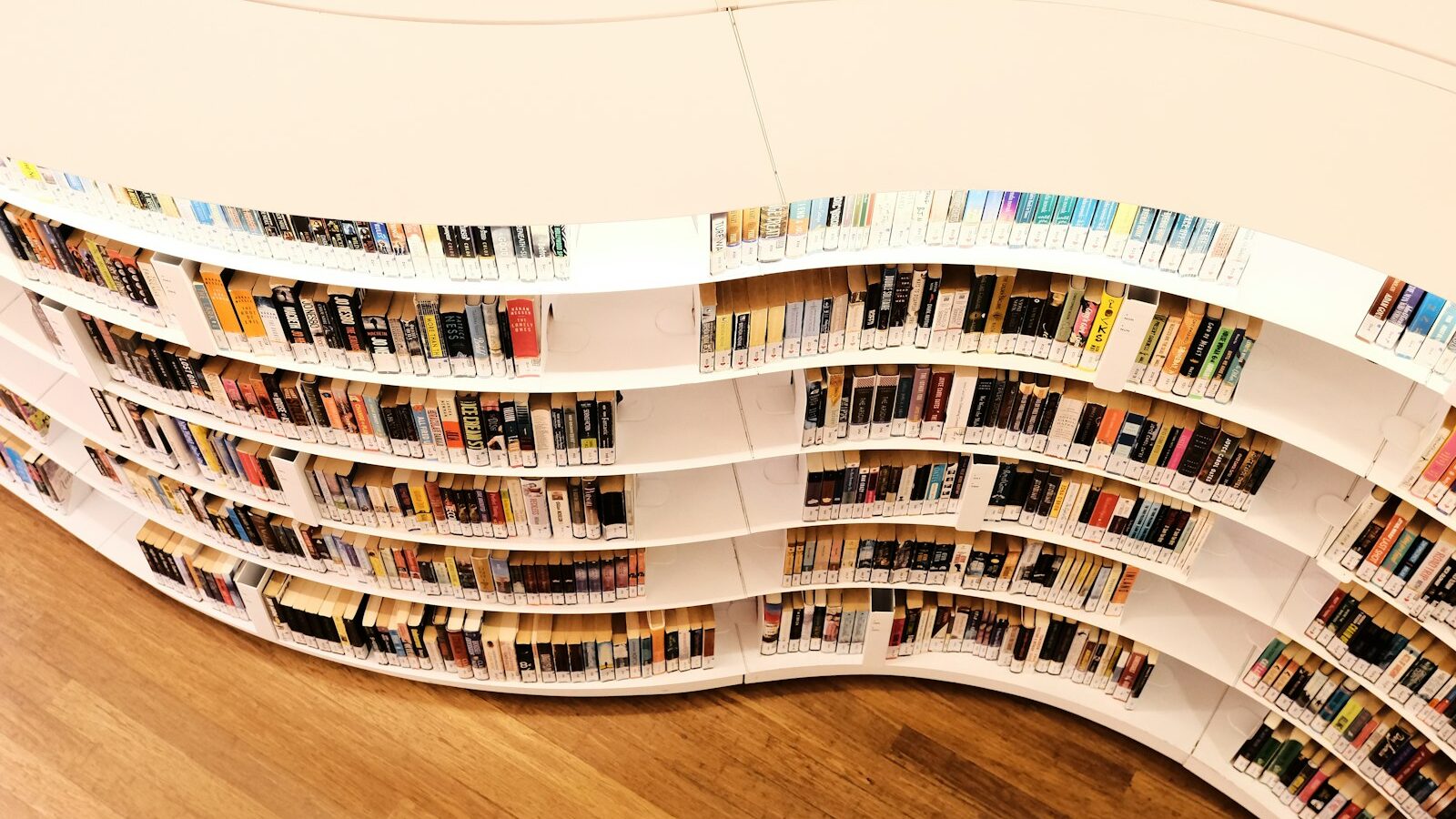
The National Library in Singapore is one of the most useful learning resources in the country, and it is almost entirely free. Run by the National Library Board (NLB), the network stretches from the flagship building on Victoria Street to regional and neighbourhood libraries across the island, plus a large digital collection you can reach from home. Whether you are a student revising for exams, a working adult picking up a new skill, or a retiree following a curiosity, the library offers far more than shelves of books. This guide explains what is on offer and how to turn a library card into a real, steady learning habit.
What the Library Actually Offers Learners
Most people think of the library as a place to borrow novels, and it is, but the learning side runs much deeper. Beyond physical books, the NLB collection covers reference materials, magazines, newspapers, and specialist titles across almost every subject you might want to study. For anyone teaching themselves a topic, having access to several books on the same subject, at no cost, makes it easy to compare explanations until one finally clicks.
The digital side is just as important. With a library membership you can reach a large set of eResources from home, including eBooks, audiobooks, online magazines, and databases. Many members are surprised to learn that some paid learning platforms and course libraries are available free through the NLB, so a course you might otherwise pay for could already be within reach. Because these offerings change over time, it is worth checking the current list of eResources on the NLB website rather than assuming what is or is not included.
Libraries are also spaces, not just collections. Quiet reading areas, study seats, and bookable rooms give you somewhere to focus that is neither home nor a paid cafe. For students without a quiet corner, or adults who concentrate better away from household distractions, that physical space can be the single most valuable thing the library provides.
Getting Started With Membership and Access
Getting on board is straightforward. Singapore citizens and permanent residents generally enjoy basic membership, and other residents can usually register too, sometimes with a fee. Rather than rely on any specific detail here, check the current membership terms, eligibility, and any charges on the NLB website, since these can change. Once you are a member, a single account typically unlocks both physical borrowing and the digital collection.
The NLB mobile app is the easiest way in for most people. From your phone you can search the catalogue, borrow and read eBooks, reserve titles held at another branch, and manage loans and due dates. If you prefer paper, you can browse the shelves in person and borrow physical books up to your loan limit. A few habits make membership smoother:
- Reserve across branches. If your local library does not have a title, request it from another branch and collect it near home.
- Use the app for renewals. Extend loans before they are due to avoid fines, subject to whether anyone else has reserved the item.
- Explore the eResources menu. Spend ten minutes seeing what databases and platforms are bundled, because the value is often hidden a few taps in.
- Save searches and lists. Keep a running reading list so your next visit or download takes seconds to plan.
Comparing Ways to Learn at the Library
The library supports several very different styles of learning, and knowing which suits your goal saves time. The table below compares common options at a glance. Availability, specific platforms, and any conditions vary, so treat this as a general guide and confirm current details with NLB.
| Way to learn | What it is | Cost | Often suits |
|---|---|---|---|
| Physical books | Borrow print titles from any branch | Free | Deep reading, exam revision |
| eBooks and audiobooks | Borrow digital titles via the app | Free | Commuters, reading on the go |
| Online databases | Reference, news, and research tools | Free | Research, fact-checking, projects |
| Learning platforms | Course libraries bundled by NLB | Free | Skills, tutorials, self-paced study |
| Programmes and talks | Workshops, talks, and reading clubs | Often free | Guided learning, meeting others |
Because these change, always verify the current membership rules, fees where they apply, and the exact eResources available before you build a plan around any single service.
Turning Library Access Into a Real Habit
Access alone does not create learning; a routine does. The learners who get the most from the library treat it as part of a weekly rhythm rather than an occasional visit. Start with a clear, modest goal, such as finishing one non-fiction book a month or completing a short online course through a bundled platform. A specific target gives your borrowing a purpose and stops your reading list from turning into a pile of good intentions.
A few simple practices help the habit stick:
- Pick a regular slot. Reserve one library visit or one home study session a week and protect it like any appointment.
- Borrow with intent. Take out books tied to your current goal rather than grabbing whatever catches your eye, which spreads attention thin.
- Mix formats. Pair a physical book with an audiobook or eBook so you can keep learning during commutes and errands.
- Take small notes. Jot a few lines after each session, because writing what you learned helps it stay.
- Follow NLB programmes. Look out for talks, workshops, and reading groups, which add structure and a little social motivation.
For students, the library pairs well with school work by offering a calm study space and reference titles beyond the textbook. For working adults, the bundled course platforms and business databases can support upskilling at no extra cost, which is a gentle way to test a new field before paying for anything. For seniors, gentle programmes and large-print or audio collections keep the mind active and offer a reason to get out and connect with others.
Making the Most of Every Branch
Not every branch is the same, and that variety is a strength. The flagship and larger regional libraries hold deeper collections and more study space, while neighbourhood libraries are convenient for quick loans and returns near home. Specialised collections exist too, so if you are studying a particular field it is worth finding out which branch holds the strongest set of titles for it. Opening hours, facilities, and bookable rooms differ by location, so check the specific branch on the NLB website before you make a trip.
Above all, remember that the library rewards regular, curious use. It is free, quietly generous, and open to everyone who wants to keep learning, from primary school right through retirement. Services, platforms, membership terms, and programmes change over time, so treat this article as general information and confirm the current details, eligibility, and any fees directly with NLB before you rely on them.
Explore more
The library pairs naturally with structured courses, so read our guide to online learning platforms to see what to study next, and self-directed learning tips to build the habits that make it stick. Older readers may also enjoy lifelong learning for seniors, which uses many of the same free resources.
Related across Sky Media: Making the Most of the National Library Singapore and Other Free Community Resources