
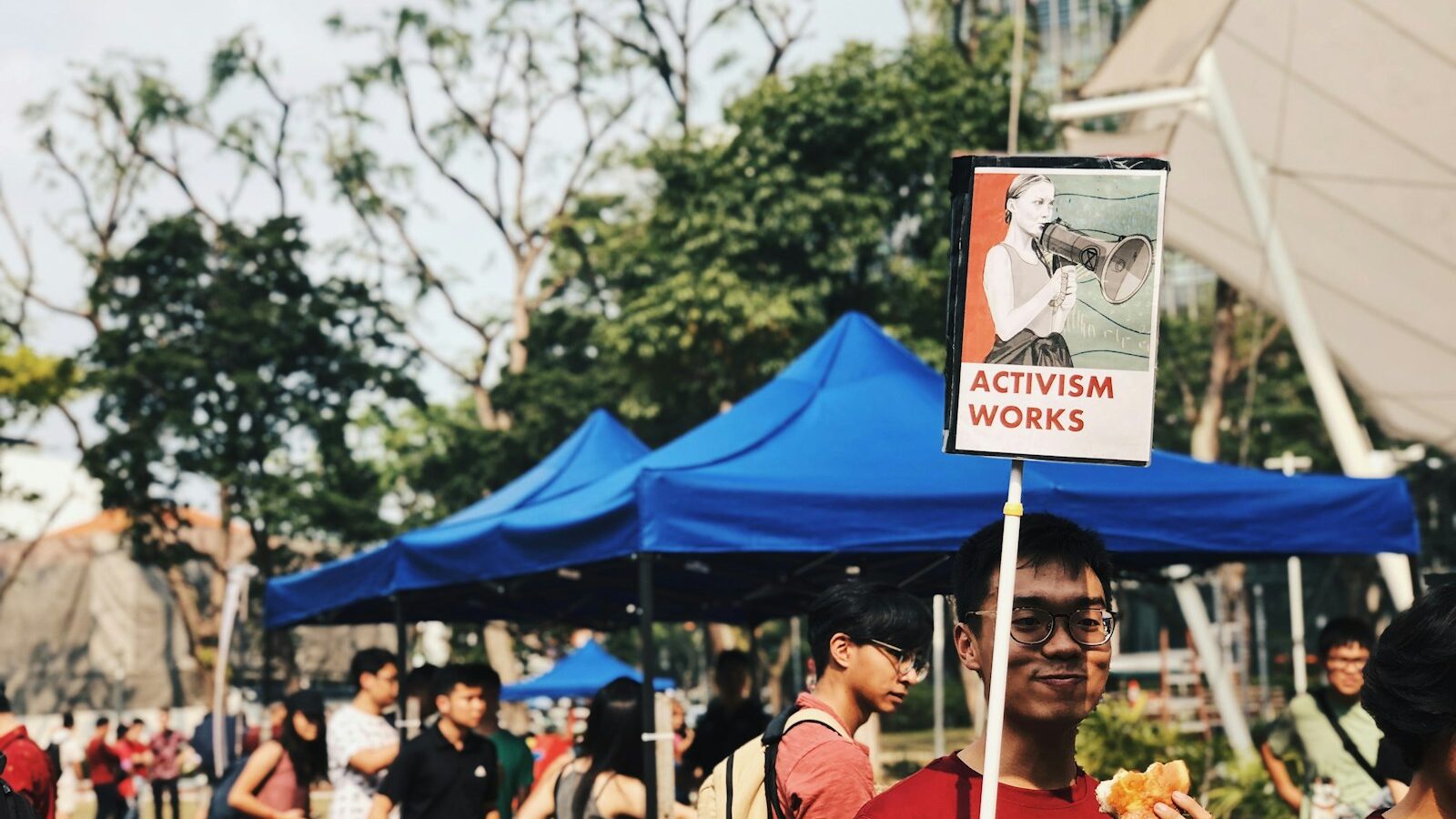
If you love theatre, music or exhibitions but do not work in the arts, volunteering is one of the most direct ways to get close to the action. Becoming an arts volunteer in Singapore can mean greeting audiences at a concert hall, carrying chairs for a street festival at midnight, or walking visitors through a gallery. These are very different jobs with different time demands, and choosing the right one decides whether you come back for a second season.
This guide focuses on the three main routes: ushering and front of house, festival and event crew, and museum or gallery volunteering. It explains what each involves day to day, who each suits, and how to get started.

The Three Main Routes Into Arts Volunteering
Most arts volunteering in Singapore falls into one of these buckets. They overlap a little, but the rhythm of the work is quite distinct.
| Route | What you actually do | Typical commitment | Best suited to |
|---|---|---|---|
| Ushering and front of house | Check tickets, guide people to seats, manage latecomers, help with accessibility needs | Per show, usually evenings and weekends, arrive well before curtain up | People who enjoy live performance and are calm with crowds |
| Festival and event crew | Set up, wayfinding, crowd flow, information booths, artist and venue support | Concentrated bursts around a festival period, sometimes long or late shifts | Energetic people who like variety and teamwork |
| Museum and gallery volunteering | Visitor engagement, programme support, guided tours after training | Regular shifts over months, with an upfront training period | People who enjoy research, history and repeat visitors |
None of these routes pays a wage, and most organisers are clear that volunteers do not replace paid staff for safety-critical or technical roles. Expect to be given a defined role with a supervisor.
Ushering and Front of House: What a Shift Looks Like
Ushering is the most performing-arts specific form of volunteering, and it is the one most general volunteering guides skip. Some theatres and concert venues run their own volunteer usher schemes, while others rely on paid front-of-house teams and only bring in volunteers for particular productions or community shows. Arts groups staging their own productions in hired venues often recruit volunteers directly.
A typical usher shift looks like this:
- Briefing before doors open. You arrive well ahead of the show for a briefing on the seating plan, the run time, the interval, any latecomer policy and the location of emergency exits.
- Doors and seating. You scan or check tickets, point people to the right aisle, and help those who need step-free access or extra time.
- During the performance. You usually stay at your post, either inside the hall or just outside. Latecomers are typically admitted only at suitable breaks set by the production.
- Interval and close. You manage the flow to toilets and the foyer, then help clear the auditorium at the end and check for lost property.
What ushers need most is composure. You will meet people who are lost, upset that they are late, or unhappy with their seats. You will also be trained on emergency procedures, which is the part to take most seriously. Whether you get to watch the show depends entirely on the venue and the production, so do not volunteer only for free tickets. For a sense of the main venues and how they run, see our overview of the Esplanade and arts venues.
Festival and Event Crew: Big Bursts, Big Energy
Singapore’s arts calendar includes large multi-day festivals across night-time precincts, literary events, outdoor concerts and community arts days in the heartlands. Many of these recruit volunteers for a defined window, often through a call-out on the festival’s own website or social channels a few weeks or months ahead.
Common festival crew roles include:
- Wayfinding and information. Standing at key points with maps, answering the same five questions hundreds of times, cheerfully.
- Crowd flow. Helping manage queues for popular installations or performances, under the direction of paid event or security staff.
- Programme support. Handing out materials at talks and workshops, counting attendance, assisting facilitators.
- Artist and venue support. Running errands, guiding performers between spaces or helping with simple set-up and tear-down.
The trade-off is intensity. Outdoor shifts in Singapore mean heat, sudden rain and long hours on your feet, often running late into the night. Ask about shift length, breaks, meal arrangements and how you get home after a late finish before committing. If you mainly want to experience festivals as an audience member first, our guide to free arts events in Singapore is a good place to scout which ones appeal to you.
Museum and Gallery Volunteering: The Long Game
Museums and galleries tend to want volunteers who stay. Several national and private museums run structured volunteer programmes, and some offer guide or docent training where you learn a collection in depth before leading tours. Not every volunteer becomes a guide, though. Many help with family programmes, events, visitor surveys or front-desk engagement.
What to expect:
- An application and interview. Some programmes take intake only at certain times of the year.
- Training before you start. This can run over several sessions. Guide training usually involves self-study and a practice tour.
- A minimum commitment. Many ask for a set number of hours or shifts over a period. Check this honestly against your schedule.
- Ongoing learning. New exhibitions mean new material to learn, which is a big part of the appeal for many volunteers.
This route suits people who like depth, enjoy talking with strangers about one subject, and can commit to a regular slot. It is often a good fit for retirees and those with flexible schedules.
How to Find and Apply for Arts Volunteer Roles
There is no single central list, so a little legwork helps:
- Check venue and festival websites directly. Look for “volunteer”, “get involved” or “support us” pages, and sign up for their newsletters so you see call-outs early.
- Use national volunteering platforms. Volunteer matching platforms in Singapore list arts and heritage opportunities alongside other causes. Our general guide on how to volunteer in Singapore explains how these platforms work.
- Approach arts groups you already follow. Independent theatre companies, choirs and community arts groups often need help with front of house and events, and may not advertise widely.
- Ask at your community centre. Community arts programmes in the heartlands sometimes need helpers for performances and workshops.
When you apply, mention any relevant experience: customer service, event work, languages you speak, first aid training, or familiarity with accessibility needs.
Questions to Ask Before You Commit
Arts volunteering should be enjoyable, not a second unpaid job. Before you sign up, ask:
- What is the minimum commitment, and what happens if I cannot make a shift?
- Is there a briefing or training, and is it compulsory?
- Who supervises volunteers on the day, and who do I contact if something goes wrong?
- Are meals, water or transport claims provided for long shifts? Policies vary, so do not assume.
- Is there an age requirement? Some roles need volunteers to be adults, while others accept students with parental consent.
- Will I be asked to handle cash, personal data or photography of audiences? If so, ask what rules apply.
Most reputable organisers will answer these clearly. If you cannot get straight answers about safety, supervision or expectations, it is fine to look elsewhere.
Making the Most of Your Time as a Volunteer
Treat each role as a way to learn how the arts actually run. Watch how stage managers call the house open, how a festival team handles a sudden downpour, or how a gallery guide reads a tired crowd. Be punctual, follow the brief even when it feels fussy, and give feedback at the end of a run if you are asked. Reliable volunteers are often the first invited back next season.
Explore more: How to Volunteer in Singapore · Free Arts Events in Singapore · Live Music Venues in Singapore