
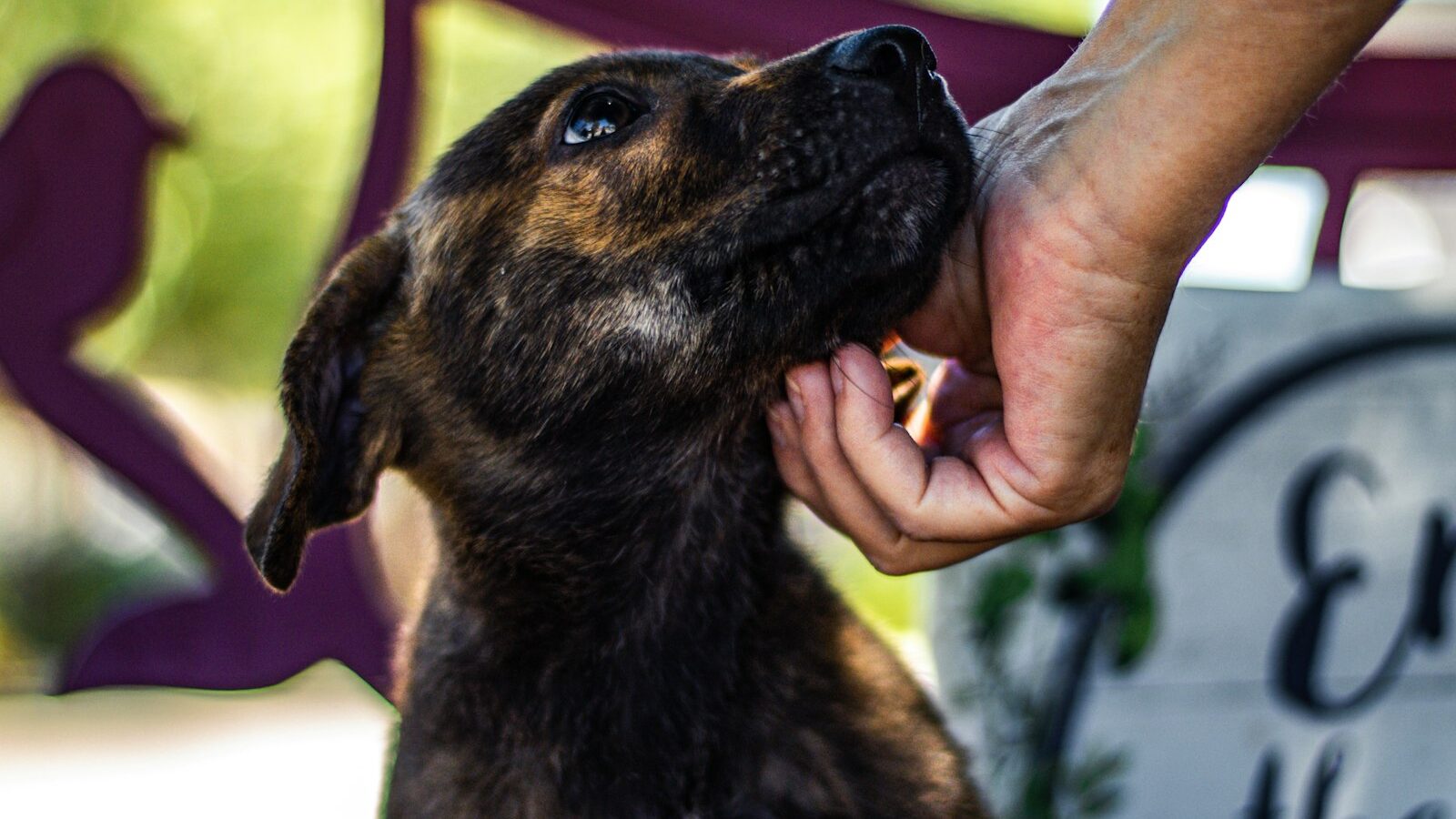
If you love animals but cannot commit to a pet of your own, animal shelter volunteering is one of the most rewarding ways to help. In land-scarce Singapore, where HDB rules, work hours and family duties often make full-time ownership difficult, giving a few hours to a shelter lets you make a real difference without taking an animal home. Shelters here are almost always stretched thin, running on the goodwill of unpaid hands. Whether you want to walk dogs, cuddle nervous cats, sort donations or foster a litter of kittens, there is a role that fits your time and temperament. This guide is general information to help you start well and stay committed.
Why Shelters in Singapore Rely on Volunteers
Local shelters and rescue groups take in a steady stream of surrendered, abandoned and stray animals, from HDB cats and community dogs to rabbits, hamsters and the occasional exotic pet seized under NParks AVS rules. Caring for them is relentless work. Kennels and cattery pens need cleaning daily, animals need feeding, exercise and medical attention, and every new arrival needs assessing before it can be rehomed. Paid staff simply cannot cover it all.
Volunteers fill that gap. A single reliable dog walker frees staff to handle medical cases. A patient person who sits quietly with a fearful cat helps that cat become adoptable. Well-run rehoming events depend on volunteers to transport animals, talk to visitors and complete paperwork. The work is not glamorous, and it can be physically tiring in Singapore’s heat and humidity, but it directly improves welfare and shortens the time an animal waits for a home.
There is a personal reward too. Many volunteers describe it as grounding and genuinely happy work, a chance to unplug from screens and do something concrete. For students it builds empathy and responsibility; for retirees it offers purpose and gentle exercise; for families it teaches children to care for animals without the full weight of ownership.
Types of Volunteer Roles You Can Take On
Shelters need far more than animal handlers, so there is likely a role that matches your skills and comfort level. Roles vary between organisations, but the common ones include the following.
- Animal care and cleaning: Feeding, washing bowls, cleaning kennels and cattery pens, and doing laundry. This is the backbone of shelter life and the role most in demand.
- Dog walking and enrichment: Walking dogs, teaching basic manners, and providing play or puzzle toys so animals stay physically and mentally healthy.
- Cat socialising: Sitting with shy or stressed cats, gentle grooming and play, helping them trust people again so they show better to adopters.
- Adoption and events support: Staffing rehoming drives, talking to potential adopters, taking photos, and helping match animals to suitable homes.
- Transport: Ferrying animals to vet appointments or adoption events, which is invaluable if you drive.
- Admin, fundraising and media: Managing social media, writing adoption profiles, photography, fundraising, and sorting donated food and supplies. Perfect if you prefer to help away from the animals.
You do not need experience to begin. Most shelters start newcomers on supervised tasks and build up your responsibilities as you prove reliable. Be honest about what you can handle. Cleaning is unglamorous but vital, and shelters value someone who turns up consistently for the humble jobs far more than an occasional visitor who only wants to cuddle puppies.
What to Expect on a Typical Shift
A shelter is not a petting cafe, and it helps to arrive with realistic expectations. Shifts often start early to beat the midday heat, and the work is hands-on. You may be cleaning up mess, handling animals that are frightened or unwell, and sweating through the humidity. Some animals have difficult histories and need calm, patient handling rather than smothering affection.
You will usually go through an orientation or induction first, sometimes with a short training session, a briefing on safety, and rules on how to handle each type of animal. Follow instructions closely. Staff know each animal’s quirks, and a well-meaning mistake, such as opening the wrong pen or feeding the wrong food, can cause real harm. Wear covered shoes and clothes you do not mind getting dirty, stay hydrated, and tell staff at once if an animal seems sick, injured or distressed.
Emotionally, shelter work has highs and lows. Watching an animal get adopted is a joy, but you will also meet animals that are old, sick or long overlooked. Pace yourself so you do not burn out. If you ever find an injured stray or a wild animal while out and about, report it to the right body, such as AVS, ACRES or NParks, rather than taking it into a shelter yourself.
Fostering: Volunteering From Home
Fostering means caring for an animal in your own home for a temporary period, often young kittens or puppies too small for shelter life, mothers with litters, or animals recovering from illness or surgery. It relieves crowded shelters and gives vulnerable animals the quiet, individual care they need. The shelter or rescue usually covers food, supplies and veterinary costs, while you provide the space, time and affection.
Fostering suits people who have room at home and flexible hours but are not ready for a lifelong commitment. Be warned that many foster carers fall in love and adopt, a happy outcome affectionately known as a foster fail. Before you foster, confirm that your HDB flat or condo allows the animal, that resident pets are healthy and vaccinated, and that everyone at home agrees. The table below compares the two main ways to give your time.
| Consideration | On-site volunteering | Fostering at home |
|---|---|---|
| Time commitment | Fixed shifts at the shelter | Round-the-clock while animal is in your care |
| Space needed | None, you work on site | A safe, separate space at home |
| Cost to you | Usually just transport | Often covered by the shelter, verify first |
| Best for | Social people who like routine | Homebodies with flexible schedules |
| Emotional pull | Strong, but you leave at day’s end | Very strong, harder to say goodbye |
How to Start Volunteering Responsibly
Getting involved is straightforward if you approach it the right way. Choose a legitimate, AVS-licensed shelter or a registered rescue group rather than an informal operation. Established welfare bodies such as the SPCA and reputable community rescues run structured volunteer programmes, and their current requirements are listed on their own channels, so check those directly for age limits, sign-up steps and shift schedules.
A sensible way to begin:
- Pick one organisation whose cause and location suit you, so travelling there stays sustainable.
- Read their volunteer requirements and complete any sign-up form, orientation or minimum-commitment pledge they ask for.
- Start small and be reliable. A weekly or fortnightly shift you actually keep beats big promises you cannot sustain.
- Respect the rules and the animals, follow staff guidance, and never post an animal for rehoming without the shelter’s blessing.
- Look after yourself, manage the emotional side, and take breaks so you can keep helping for the long haul.
Many shelters ask volunteers to be a minimum age or to have a parent present if younger, so families should check first. If you cannot give time, shelters always welcome donations of food, litter, towels and money, or simply sharing their adoptable animals online. However you contribute, consistency is the greatest gift. Shelters can plan around people they can count on, and the animals feel the steadiness of a familiar, gentle presence. Start with one small commitment, keep it, and you will have done more good than you expect.