
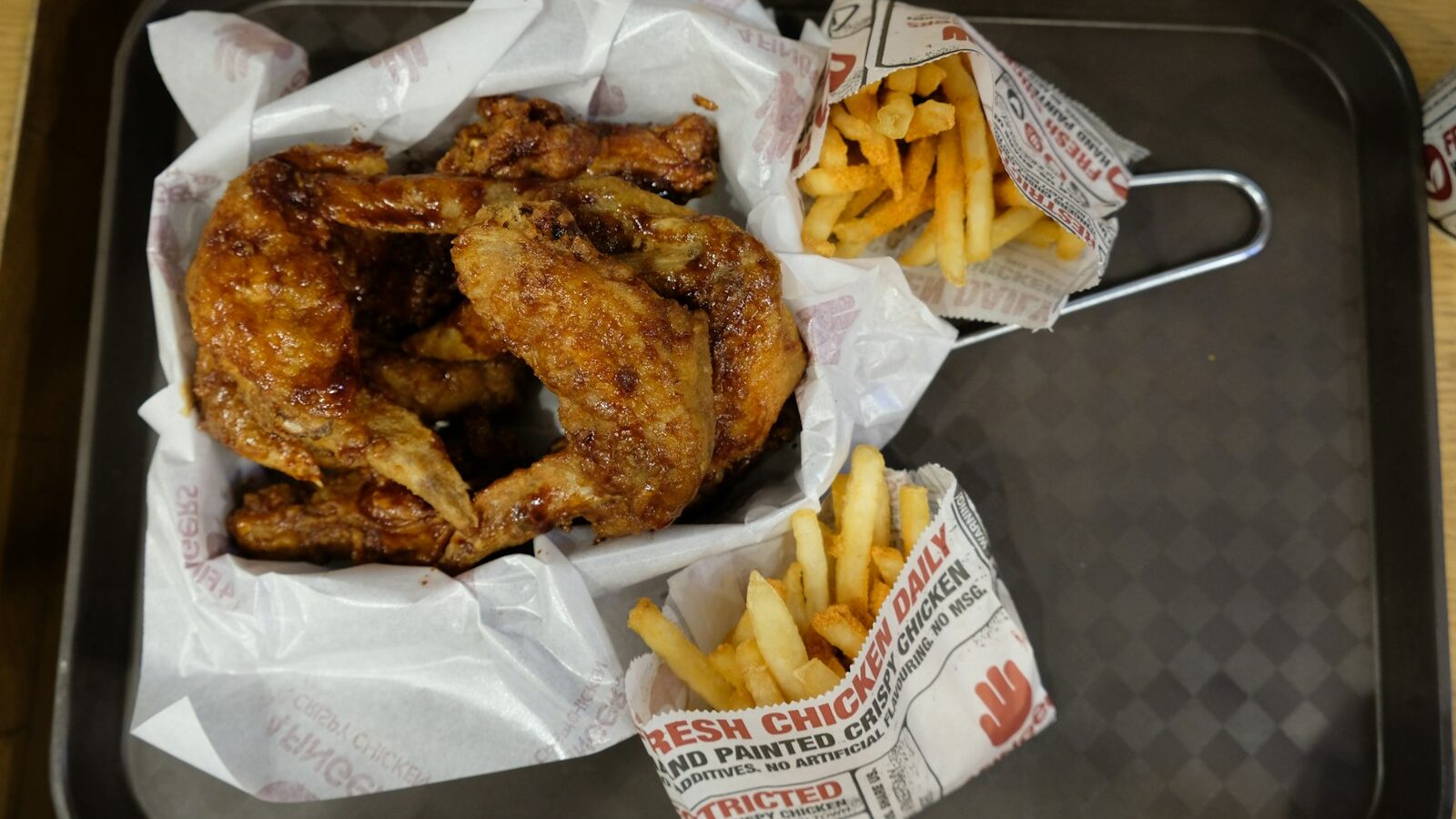
Once you own an air fryer, the next question usually comes quickly: do you need liners, and which ones are safe? Shelves in supermarkets, household shops and online marketplaces are full of options, from round parchment sheets to reusable silicone pots. This guide to air fryer paper in Singapore focuses on everyday use: what each type of liner does, how to use it without blocking airflow or creating a fire risk, and when you are better off going without one.
If you are still deciding which machine to buy, start with our guide on how to choose an air fryer for your Singapore home. This article assumes the fryer is already on your counter.

Why People Use Air Fryer Liners
Liners are not required for most air fryers, but they solve a few everyday annoyances:
- Less scrubbing. Sticky marinades, cheese and sauces can bake onto the basket. A liner catches drips and makes washing up quicker, which matters in a small HDB kitchen with limited sink space.
- Protecting non-stick coatings. Scraping a basket with a scourer can wear down the coating over time. A liner reduces how often you need to scrub hard.
- Handling delicate or saucy foods. Fish fillets, marinated chicken wings, sweet potato with honey or anything with a glaze is easier to lift out on a liner.
- Portioning and batch cooking. Some home cooks prep several portions on separate sheets and swap them in and out.
The trade-off is airflow. An air fryer works by circulating hot air around food. Anything that blocks that flow can lead to uneven cooking and soggier results, so the type and placement of the liner matter.
The Main Types of Air Fryer Liners Compared
The table below summarises the common options you will see in Singapore shops. Always read the packaging, since heat limits and care instructions differ by brand.
| Liner type | What it is | Pros | Cons | Best for |
|---|---|---|---|---|
| Perforated parchment paper | Pre-cut baking paper with small holes | Allows airflow, disposable, cheap per use | Single use, can fly up if unweighted | Everyday frying of nuggets, fries, vegetables |
| Unperforated parchment bowl | Bowl or tray shaped baking paper | Holds sauces and drips | Blocks more airflow, may cook less evenly | Saucy dishes, marinated meats, baking |
| Silicone liner or pot | Reusable food-grade silicone tray | Washable, durable, no waste | Needs cleaning, blocks some airflow, can retain smells | Frequent users, wet or sticky foods |
| Aluminium foil | Household foil shaped to fit | Widely available, mouldable | Can block airflow, avoid with acidic foods, not all fryers allow it | Occasional use where the manual permits |
| Reusable mesh or PTFE sheet | Thin coated sheet, often perforated | Reusable, allows some airflow | Coating can wear, needs gentle cleaning | Users who want reusable but flat liners |
How to Use Air Fryer Paper Safely
Parchment and paper liners are safe for most people when used properly. The main risk is the paper lifting into the heating element, which can scorch or catch fire. Follow these habits:
- Never preheat with an empty liner. Without weight on top, the paper can be blown upward by the fan into the element. Put the liner in only when the food goes in, or preheat first and add both together.
- Always weigh it down with food. The food should cover most of the liner. A large sheet with a small piece of food is more likely to flap.
- Do not let paper extend past the basket. Trim or fold excess edges so nothing pokes up near the element or hangs outside the basket.
- Check the heat rating. Packaging usually states a maximum temperature. Do not exceed it. If no rating is listed, choose a product that has one.
- Do not use wax paper. Wax paper is different from parchment. The wax coating can melt and smoke at air fryer temperatures.
- Avoid plain printer paper, tissue or kitchen towels. These are not made for cooking heat and can ignite.
- Keep an eye on long cooks. Check the food partway through, especially at higher temperatures.
Your air fryer manual is the final word. Some manufacturers advise against liners, foil or anything that blocks the bottom of the basket. If your manual says not to use them, follow it, since it may also affect your warranty.
Choosing Between Paper, Silicone and Foil
Which liner suits you depends on how you cook.
- If you air fry a few times a week with simple foods, perforated parchment is usually enough. It keeps the basket cleaner while letting air circulate.
- If you often cook marinated meats or saucy dishes, a parchment bowl or silicone pot catches the liquid better. Expect slightly longer cooking times and shake or flip the food more often.
- If you want to reduce waste, silicone is the obvious pick. Look for food-grade silicone and follow the stated temperature limit. Wash it promptly, since oil residue can turn sticky.
- If you use foil, keep it flat at the bottom, leave space around the edges for airflow and avoid it with acidic ingredients such as tomato, lemon or vinegar marinades, which can react with aluminium.
Size matters too. Measure the inside base of your basket, not the outer rim, before buying. Liners that are too big curl up the sides and block airflow; ones that are too small let drips through.
Cooking Tips When Using a Liner
Liners change how heat reaches the bottom of your food. A few adjustments help:
- Flip food halfway. The side touching the liner browns less, so turning it evens out the colour and crispness.
- Leave space between pieces. Crowding plus a liner means even less airflow. Cook in batches if needed.
- Use a light spray of oil if you want crispness. A thin coat on the food, not on the paper, helps browning.
- Remove the liner for the final few minutes. For extra crunch on items like chicken wings, some home cooks lift the food off the liner and finish it directly on the basket.
- Bake with care. For small cakes or bread rolls, parchment bowls are handy. Our guide to baking in a small oven or an air fryer covers how to adjust bakes for these compact appliances.
Cleaning Up Without Damaging Your Basket
Even with liners, the basket and tray need regular cleaning, because oil and crumbs escape around the edges.
- Let the basket cool before washing. Plunging a hot basket into cold water can stress the coating.
- Use warm soapy water and a soft sponge. Avoid steel wool and abrasive scourers on non-stick surfaces.
- For baked-on grease, soak the basket in warm water with dish soap before wiping.
- Check whether your basket is dishwasher-safe in the manual before putting it in.
- Wipe the inside of the fryer cavity and the area around the element occasionally, once the unit is unplugged and cool, since splatter builds up there too.
Silicone liners can be washed by hand or, if the maker says so, in a dishwasher. Dry them fully before storage to avoid odours in Singapore’s humid climate.
Where to Buy and What to Check on the Label
Air fryer paper and liners are widely sold at supermarkets, household goods chains, department stores and online shopping platforms in Singapore. Before buying, check:
- The stated maximum temperature.
- Whether it is food-grade and what material it is made of.
- The diameter or dimensions compared with your basket.
- Whether it is perforated or solid, depending on your cooking style.
- Clear care instructions for reusable types.
Once you have the right liner, put it to work. Our collection of air-fryer recipes with local ingredients is a good place to start, from crispy tofu to sambal-glazed wings.
Frequently Asked Questions
Can I reuse an air fryer parchment sheet? It is usually best to replace it once it is oily, brown or brittle. A lightly used, clean sheet may survive a second round, but old paper is more likely to scorch or flap into the element. When in doubt, use a fresh one.
Can I use paper muffin cases in an air fryer? Yes, if they are made from heat-resistant paper and are heavy enough to stay put with batter in them. Light cases can lift in the airflow, so weigh them down or place them in a silicone mould. Always follow your air fryer manual.
Will a liner stop food from getting crispy? It can slightly, because the side against the paper gets less hot air. Flipping food halfway, using perforated sheets and finishing the last minutes directly on the basket all help. For very crisp items, you may prefer no liner.
Which liner stops fish from sticking to the basket? A perforated parchment sheet is a good all-round choice, as it keeps airflow while giving a non-stick surface. A silicone mat also works for delicate fillets. Lightly oil the paper, and lift the fish out gently with a spatula once it has cooled a little.