
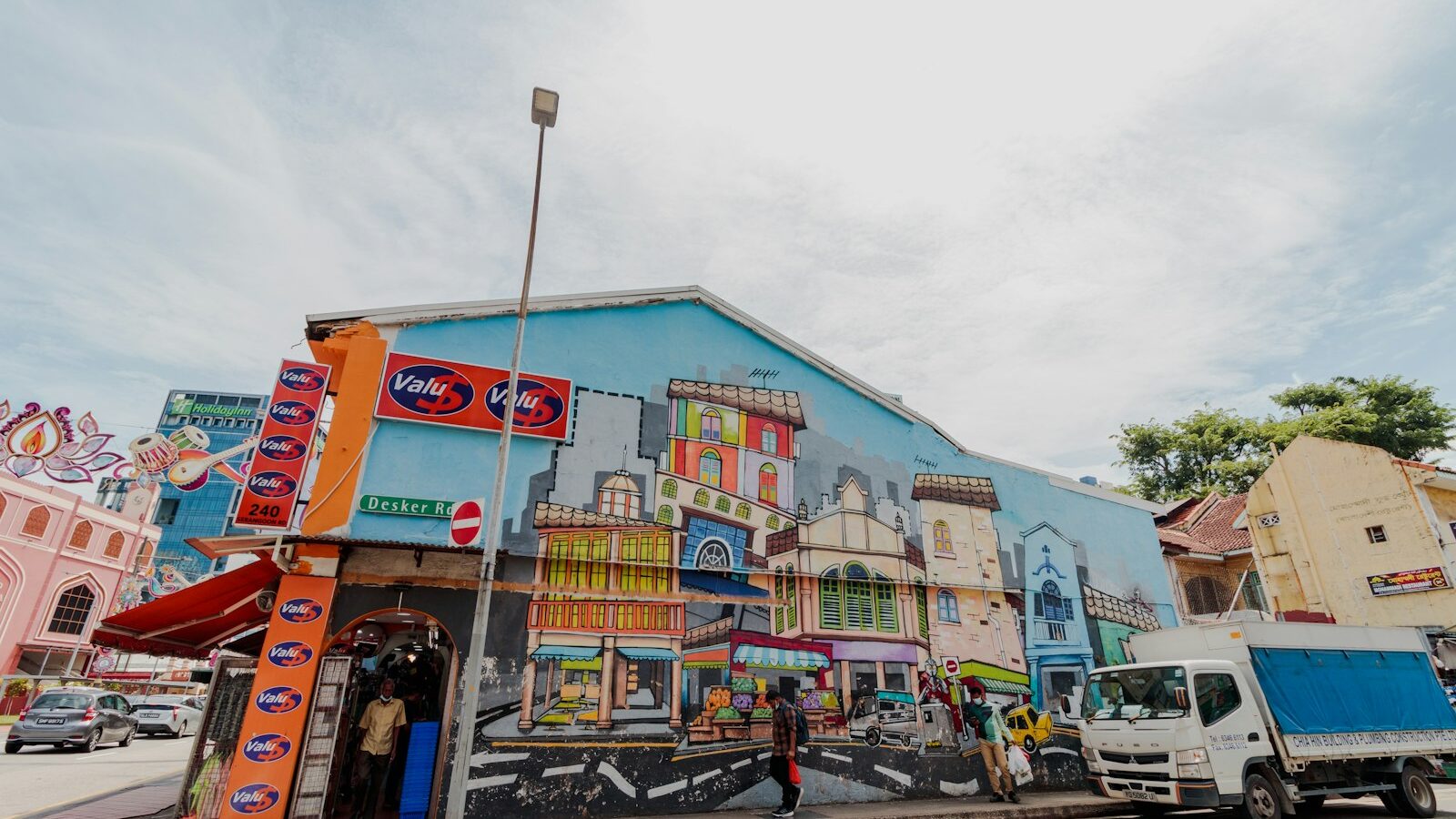
Picking up a brush, a lump of clay or a stylus for the first time can feel intimidating, but it does not have to. Art classes in Singapore cover almost every interest and skill level, from a relaxed one-off pottery taster on a weekend to a structured painting course that runs over several months. Whether you want a new hobby, a screen-free evening or a creative outlet after work, there is a class shaped to fit. This guide explains the main types of workshops on offer, how to judge which one suits you, what a first session is usually like, and the practical questions worth asking before you sign up.
The main types of classes on offer
Creative learning here spans traditional crafts, fine art and digital media. Understanding the broad categories makes it far easier to search and to compare.
- Ceramics and pottery, including hand-building and wheel-throwing.
- Painting and drawing, from watercolour and acrylics to life drawing.
- Printmaking and paper crafts, such as lino printing and bookbinding.
- Textiles and fibre arts, including weaving, embroidery and natural dyeing.
- Digital and design, covering illustration, animation and photography.
- Sculpture and mixed media for the more experimental.
Some studios specialise deeply in one discipline, while community and lifestyle spaces offer a rotating menu of tasters. Neither is better; they simply suit different goals. A specialist studio is ideal if you want to progress, while a taster is perfect if you are still exploring what you enjoy.
One-off tasters or an ongoing course?
The first real decision is format. A single session lets you try something with no long-term commitment, which is why pottery and terrarium tasters are so popular for a casual afternoon or a group outing. A term-based course, by contrast, builds skill week by week and usually works out cheaper per session. The table below compares common formats to help you choose; treat any prices as rough, illustrative ranges only, since studios set their own rates and these change over time.
| Format | Commitment | Rough cost feel | Best for |
|---|---|---|---|
| One-off taster | A single session, 1 to 3 hours | Low, pay once | First-timers, gifts, groups |
| Short workshop series | A few weekly sessions | Moderate | Building a specific skill |
| Term course | Several weeks or months | Better value per class | Steady, serious progress |
| Open studio access | Pay per visit or membership | Varies widely | Independent practitioners |
| Kids and family classes | Weekly or holiday programmes | Moderate | Children, parent-child bonding |
If you are unsure, start with a taster. It tells you quickly whether you like the medium and the teaching style before you commit money and weekends to a longer course.
What a first session is usually like
Walking in for the first time is the part most beginners worry about, so it helps to know the shape of a typical class. Most introductory sessions begin with a short demonstration, then hands-on time with the instructor moving around to guide you. Materials and tools are generally provided for tasters, though longer courses may ask you to buy a basic kit as you progress.
A few things worth knowing:
- Wear clothes you do not mind staining, especially for ceramics, printing and dyeing.
- You will not produce a masterpiece on day one, and that is completely normal.
- For pottery, finished pieces usually need firing and glazing, so collection can be a week or two later.
- Ask about class size, since smaller groups mean more individual attention.
Good teachers expect beginners and pace the session accordingly. The aim of a first class is to enjoy the process and learn the basics safely, not to compete with anyone else in the room.
How to choose the right class for you
With so many options, a short checklist keeps your decision simple. Think about the medium you are drawn to, how much time you can realistically give, your budget and how far you are willing to travel, since a studio near home or work is one you are far more likely to keep returning to.
Questions worth asking any studio before booking:
- What is included in the fee, and will I need to buy extra materials?
- How large is the class, and is it aimed at beginners or mixed levels?
- What is the cancellation or reschedule policy?
- Are tools and safety equipment provided, and is the space accessible?
- Can I see examples of past student work or the instructor’s portfolio?
Always confirm current schedules, fees and availability directly with the studio, as programmes and pricing are updated regularly. Reading recent reviews and browsing a studio’s social feed also gives you a feel for the atmosphere and the standard of teaching.
Turning a class into a lasting habit
The biggest predictor of sticking with a creative practice is not talent but rhythm. Booking a recurring slot, keeping your materials somewhere visible and setting a small, playful goal all help you return week after week. Many people find that a class also becomes a social anchor, a couple of hours where phones go away and conversation happens over shared work.
If a term course feels like too much at first, string together a few different tasters instead. Trying pottery one month and printmaking the next is a low-pressure way to discover what genuinely holds your attention. Art classes in Singapore are as much about the calm and community of making as they are about the finished object, so choose the format that you will actually look forward to, and let progress take care of itself.
Explore more
Ready to get your hands dirty? Start with our guide to pottery and craft studios in Singapore, then think about supporting local artists whose classes and work you enjoy. For a creative outing with someone else, our arts and culture date night ideas pair a workshop with a memorable evening.
Related across Sky Media: Barista and Latte Art Classes in Singapore · Music and Art Classes for Adults