
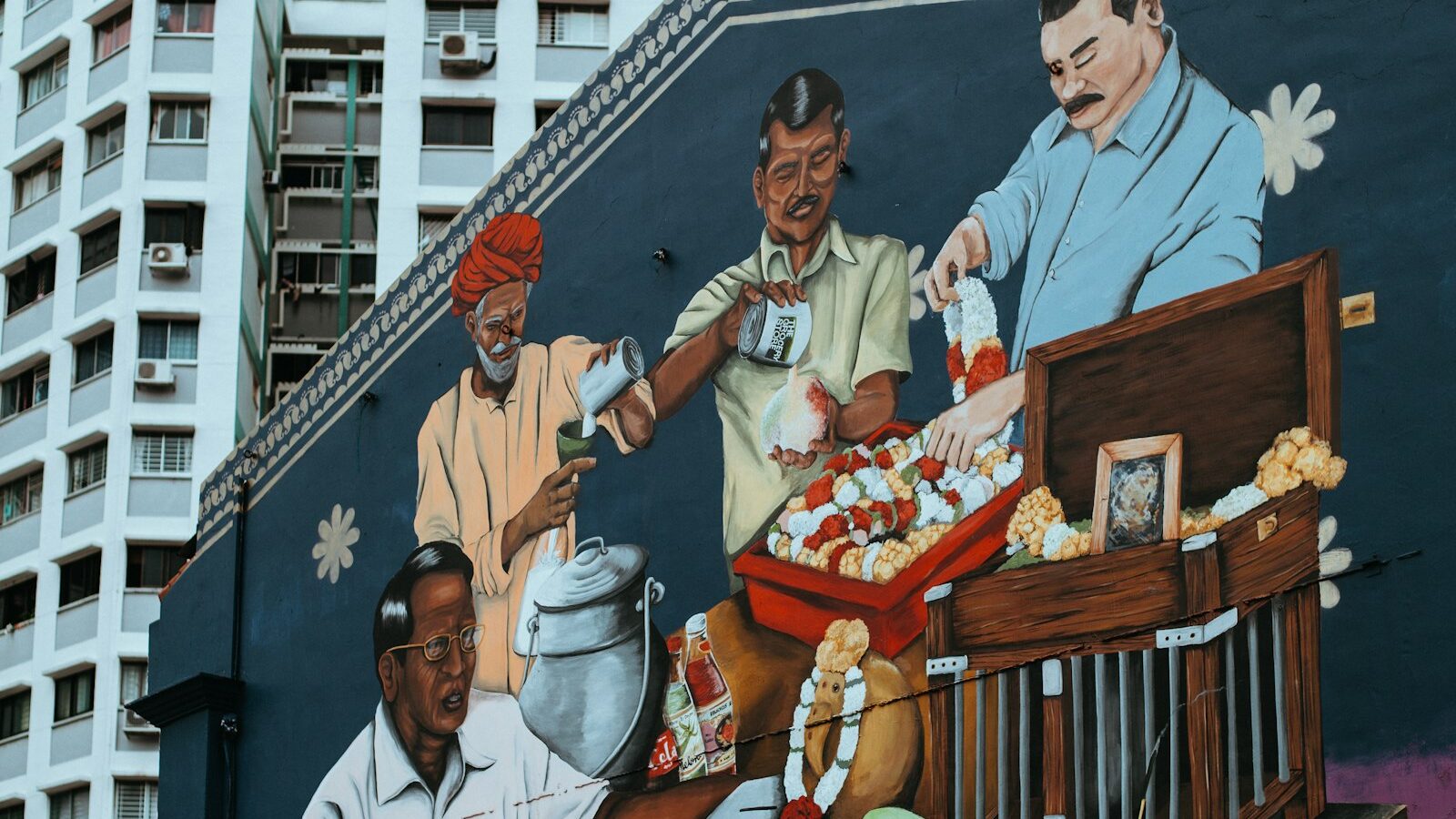
There is a common myth that helping the arts means being rich, being an expert, or both. Neither is true. Supporting local artists in Singapore can be as simple as turning up to a free open studio, following a maker on social media, or buying a small print for a friend. The scene here is compact, warm and surprisingly reachable, and the people who sustain it are ordinary residents who show up, share what they love, and occasionally spend a little. This guide is a gentle, practical map of ways in, whatever your budget or knowledge.
Why local artists need us, and what support really means
Making art in a high-cost city is hard. Studio rent, materials and time all add up, and unlike a big touring show, a young painter or ceramicist rarely has a marketing budget. That is where a local audience comes in. Support is not only about money; attendance, attention and word of mouth are genuine currency. A packed opening, a shared post, a friend brought along to a degree show, all of these help an artist keep going and help small spaces prove they are worth the rent.
It also helps to widen your idea of who counts as a local artist. The community here spans painters and printmakers, ceramicists and textile makers, illustrators, photographers, poets, musicians and performance artists. Many hold day jobs and make work in the evenings and on weekends. Meeting them where they are, whether that is a craft market or a warehouse studio, is the heart of it.
Free and low-cost ways to show up
The easiest support costs nothing but a little time, and Singapore offers plenty of no-spend ways to engage.
- Open studios. Artists and collectives periodically throw open their working spaces, often during Singapore Art Week in January. You can watch work in progress, chat to makers and see how art actually gets made.
- Degree and graduate shows. Art schools such as LASALLE, NAFA and the university fine art programmes stage end-of-year exhibitions. Entry is typically free, and you are seeing tomorrow’s names first.
- Gallery openings. Commercial and independent galleries hold launch nights that are usually open to the public. Browsing is welcome and free, and there is no pressure to buy.
- Follow and share. A like is fleeting, but a genuine share, tag or recommendation puts an artist in front of new eyes at no cost to you.
None of this requires special knowledge. Curiosity is the only ticket, and staff and makers are almost always happy to talk about the work.
Buying art without a collector’s budget
Owning original art is far more accessible than most people assume. You do not need a spare wall in a mansion or thousands to spend. Prices vary enormously, and there are entry points for almost every budget if you know where to look. Treat any figures below as rough, illustrative ranges only; always check the actual price with the artist or gallery, as these differ wildly by maker, size and medium.
| Way to buy | What you get | Rough budget |
|---|---|---|
| Prints and editions | Signed reproductions or limited runs | Low, often pocket money |
| Craft and art markets | Ceramics, zines, textiles, small originals | Low to moderate |
| Degree show works | Early pieces by emerging artists | Low to moderate |
| Open studio sales | Direct-from-maker originals | Varies widely |
| Gallery originals | Established or mid-career works | Moderate to high |
A few habits make buying feel comfortable rather than intimidating. Buy what you genuinely love rather than what you think will appreciate. Ask the maker about the work; the story often becomes part of why you treasure it. And remember that buying directly at a market, degree show or open studio puts money straight into the artist’s hands, with no middle party taking a cut.
Where to find the local scene
If you are not sure where to begin, a handful of reliable settings will connect you with local makers throughout the year. Gillman Barracks and the Bras Basah.Bugis district cluster galleries within easy walking distance, so you can drift from show to show. Craft and design markets pop up regularly at community and lifestyle venues, bringing ceramicists, illustrators and small-batch makers together under one roof. Neighbourhood art spaces, artist-run initiatives and studio collectives in industrial estates host exhibitions and workshops that welcome curious newcomers.
The calendar helps too. Singapore Art Week each January is the big moment, with open studios, fairs and installations across the island, much of it free. Throughout the rest of the year, keep an eye on gallery mailing lists and artists’ own social feeds, which are usually the fastest way to hear about a new show, a market stall or a workshop.
Deeper ways to give back
Once you have found your feet, there are richer ways to support the community that go beyond a single purchase.
- Commission a piece. A personal commission, even a small one, is a meaningful vote of confidence in a maker.
- Take a class. Signing up for a workshop supports the artist teaching it and deepens your own appreciation.
- Give art as gifts. Choosing a local print, ceramic or zine over a mass-produced present spreads support and introduces friends to the scene.
- Volunteer or donate. Many arts groups and non-profits welcome helping hands at events or modest donations to keep programmes running.
- Advocate. Recommend artists to friends, write a kind review, or nominate a favourite for opportunities you come across.
Consistency matters more than grand gestures. An audience that keeps showing up, month after month, is what allows an artist to build a career rather than burn out after one hopeful show.
Explore more
Keen to go further? Get hands-on and support makers directly through our guide to art classes and creative workshops in Singapore, or spend an afternoon among ceramicists with our feature on pottery and craft studios in Singapore. For no-spend ways to back the community, see our roundup of free arts events in Singapore.