
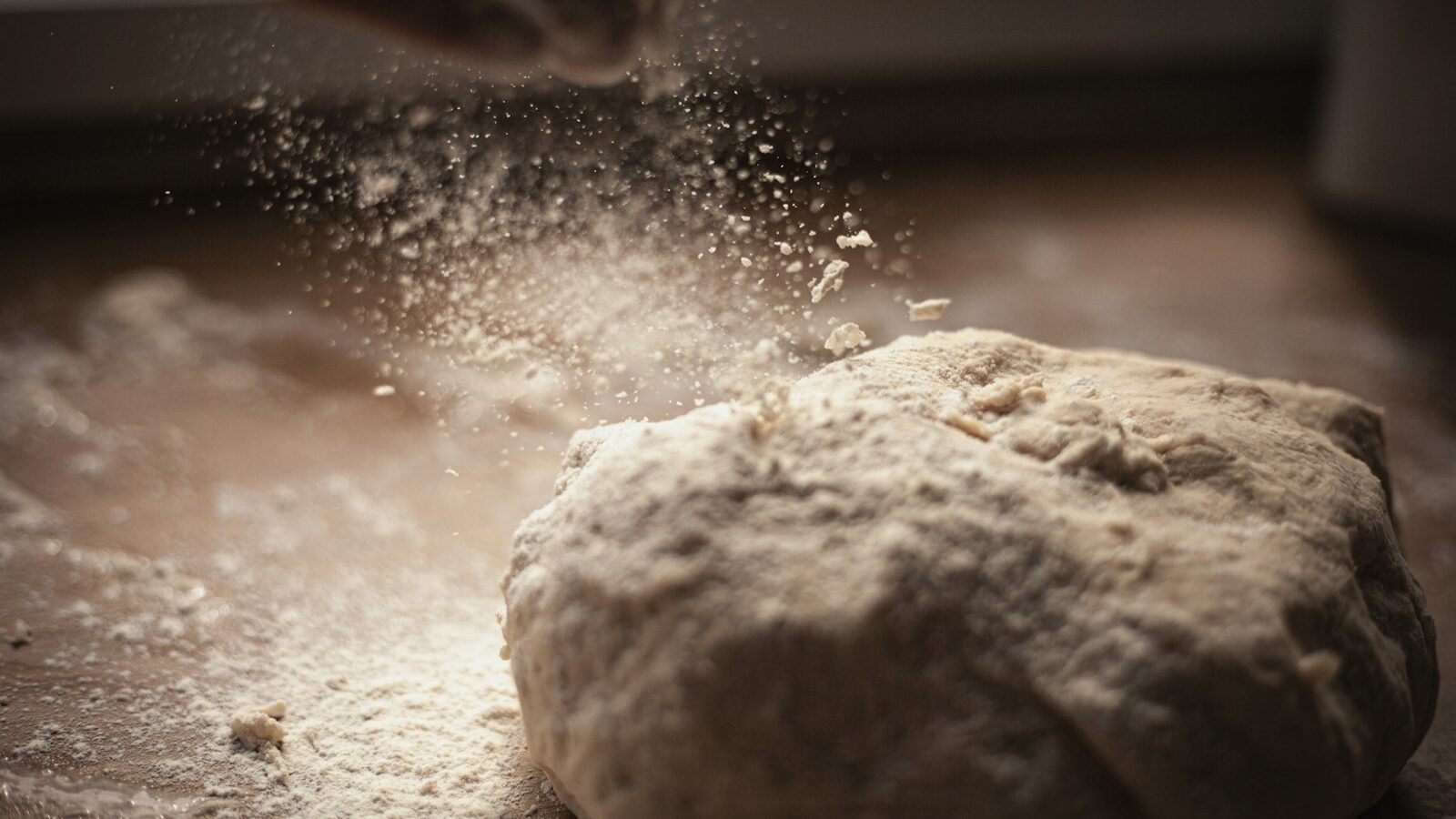
Few hobbies fill a home with as much comfort as baking your own bread. The smell alone is worth the effort. Learning to make artisan bread in Singapore is wonderfully achievable, even in a small HDB kitchen, and it asks for very little kit to begin. What it really needs is a bit of patience and a willingness to get your hands floury. This guide walks you through what the hobby involves, what you need, and how to bake a loaf you will be proud of.
Why Bake Your Own Bread
Artisan bread simply means bread made with care, time, and good technique rather than shortcuts. That covers rustic loaves, focaccia, ciabatta, and enriched breads, and it overlaps happily with wider baking as a hobby.
The rewards are real. You control exactly what goes into your loaf, you save money over bakery prices once you find your rhythm, and you gain a genuinely useful skill. There is also the deep satisfaction of pulling a crackling, golden loaf from the oven and knowing you made it from four humble ingredients.
It is also a forgiving hobby. Your early loaves may be dense or oddly shaped, but they will almost always be edible and delicious, and each bake teaches you something new.
The Simple Science and Your Ingredients
Bread is mostly flour, water, salt, and yeast. Understanding what each does makes everything click.
- Flour provides structure through gluten. Bread flour, with its higher protein, gives a stronger, chewier crumb than plain flour and is the best starting point.
- Water hydrates the flour and activates the yeast. Higher hydration doughs give an open, airy crumb but are stickier to handle.
- Salt adds flavour and controls the yeast so it does not overwork.
- Yeast is the living organism that ferments the dough and makes it rise. Instant dried yeast is the easiest for beginners.
If you would rather work with a natural leaven instead of commercial yeast, sourdough baking is a natural next step once you are comfortable.
A quick word on allergens. Wheat bread contains gluten, and enriched recipes often include milk, butter, and eggs. If you bake for others, always mention these. Seeds, nuts, and sesame are common toppings and are frequent allergens too.
Baking in a Hot and Humid Climate
Singapore’s warmth is actually an advantage for bread. Dough proves quickly here, which is great, but it also means you must watch it closely so it does not over prove and collapse.
- Keep an eye on the dough rather than the clock. A dough that has doubled in size is ready, whether that takes one hour or three.
- On very warm days, use cooler water to slow fermentation and keep flavour developing.
- Store flour in an airtight container, ideally somewhere cool, since our humidity can encourage weevils and clumping.
- If your kitchen runs hot, the fridge is your friend. A slow, cold prove overnight deepens flavour and fits neatly around work.
What You Need to Start
You genuinely do not need much:
- A large mixing bowl and a digital scale, since baking works best by weight
- Bread flour, instant yeast, fine salt, and water
- A dough scraper, a clean tea towel, and a baking tray or a cast iron pot
- An oven, which every home kitchen has
A cast iron pot with a lid is the single upgrade that most improves crust, as it traps steam like a bakery oven, but it is optional at the start.
Your First Loaf and Getting Better
Start with a simple no knead loaf. Mix flour, water, salt, and a little yeast into a shaggy dough, cover it, and let time do the kneading. After it has risen, shape it gently, prove again, and bake in a hot oven or covered pot. It is almost impossible to get badly wrong.
Once that feels comfortable, try a kneaded dough to feel how gluten develops under your hands. From there the whole world opens up. Focaccia dimpled with olive oil and rosemary, soft rolls, or a crusty baguette shape.
Hygiene keeps everything pleasant and safe. Wash your hands and surfaces before you begin, use clean equipment, and cool loaves fully on a rack before storing to prevent trapped moisture and mould, which our climate encourages. Bread is best eaten fresh, and any you cannot finish freezes beautifully.
To improve, weigh your ingredients every time, keep a simple bake diary, and change only one thing per loaf so you learn what makes the difference. Follow tested, reliable recipes from trusted bakers rather than guessing at quantities, especially while you are finding your feet.
Rise to the Occasion
Artisan bread baking is one of the most rewarding hobbies you can pick up at home. It costs little, it feeds the people you love, and it improves with every single loaf. Start with something simple, respect the basics of hygiene and good ingredients, and enjoy the quiet magic of turning flour and water into something wonderful. Your kitchen, and everyone in it, will thank you.