
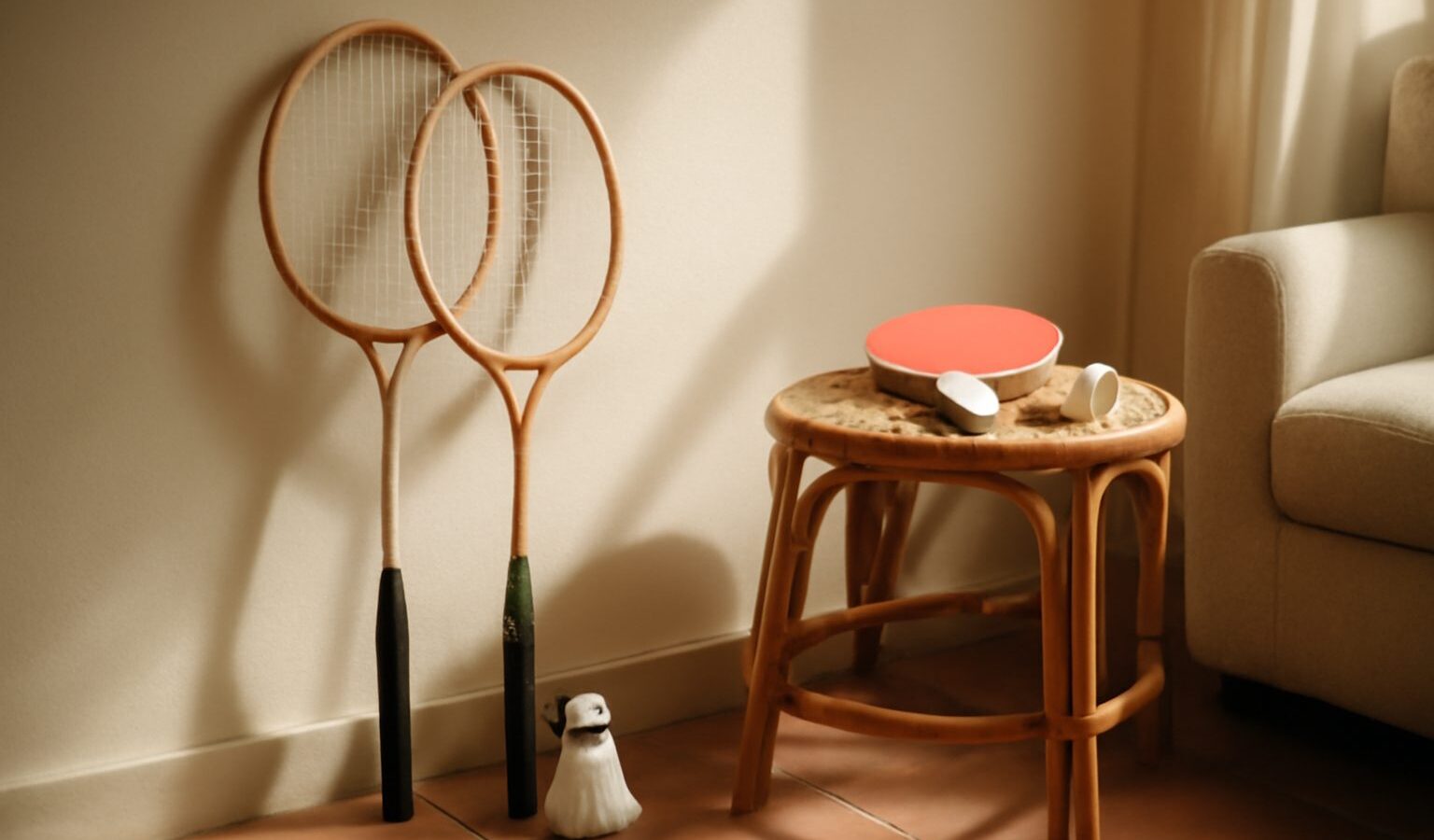
Few sports travel with mainland families as reliably as badminton and table tennis. You grew up watching them, perhaps played them at school, and the good news is that both are woven deeply into life here too. If you are looking for badminton clubs Singapore newcomers can join, or a friendly table tennis group to keep your paddle hand sharp, there is a welcoming scene waiting, from casual drop in sessions to organised clubs. This guide shows you how to find your people, where to play, and how to keep the games safe and enjoyable.
Both sports suit newcomers beautifully. They need little equipment, they cross language barriers easily, and a regular game is one of the quickest ways to build a local social circle. Whether you want a gentle rally or a competitive ladder, the route in is the same: find a court, find some players, and turn up.
Finding courts and clubs
The backbone of public sport here is ActiveSG, the national scheme that runs sports centres across the island. Its halls host both badminton and table tennis, and courts or tables can generally be booked in advance, which is how most casual players get their weekly game. Setting up an account and learning the booking system is the single most useful step a newcomer can take, because once you can reserve a court, everything else follows.
Beyond simply booking a court, look for the community that gathers around these venues:
- Community club groups. Many neighbourhood community clubs run badminton and table tennis sessions, often open to residents nearby. These are friendly, low pressure and easy to join.
- Interest and social groups. Informal groups organise regular sessions and welcome newcomers to fill a court. They are a fast way to find players at your level.
- Dedicated clubs. More structured clubs offer coaching, ladders and regular training for those who want to improve seriously.
- Workplace and estate games. Some employers and condominiums run their own sessions, so ask around where you work and live.
If you are unsure where to begin, start with an ActiveSG centre near your home, book a court at a quiet hour, and ask staff or regulars which groups play there. Word of mouth uncovers far more sessions than any single listing.
Joining in as a newcomer
The social side is where newcomers sometimes hesitate, but there is no need. Both sports are naturally sociable, and players are used to rotating partners and welcoming new faces to make up numbers. A few gentle habits smooth the way:
- Be honest about your level. Say whether you are a beginner or a returning player, so people match you into sensible games.
- Bring your own gear where you can. A racket or paddle you are comfortable with makes a real difference, though many groups will lend you one to start.
- Learn court etiquette. Simple courtesies, such as rotating fairly and calling scores clearly, earn you a warm welcome back.
- Commit to a regular slot. Turning up at the same weekly session is the surest way to turn strangers into friends.
Because badminton and table tennis are so widely played, you will often find groups that share your language as well as ones that mix freely. Both are valuable: one helps you settle quickly, the other stretches your English and widens your circle.
It also helps to understand the shape of the local booking scene. Popular halls fill quickly at peak times such as weekday evenings and weekends, so the keenest players book their courts the moment slots open, while quieter weekday hours are far easier to secure and gentler on the wallet. If you cannot find a court near home, try a centre one or two neighbourhoods over, since a short journey often opens up availability. Bring a friend or two to share a court, as booking together makes the cost negligible and guarantees you have players. Over time you will learn which venues have the liveliest table tennis scene and which halls the strong badminton groups favour, and that local knowledge is worth more than any online listing.
The table below compares the two sports as a starting point for choosing where to put your energy. Either makes an excellent regular habit.
| Aspect | Badminton | Table tennis |
|---|---|---|
| Space needed | A full court in a sports hall | A table, so easier to find |
| Gear to start | Racket, shoes, shuttlecocks | Paddle and balls |
| Intensity | More running and jumping | Fast reactions, less running |
| Where to play | ActiveSG halls, community clubs | ActiveSG centres, community clubs |
| Social entry | Group and club sessions | Drop in and club sessions |
Warming up and playing safely
Both games are gentler on the body than contact sports, but they still ask a lot of your joints, and newcomers keen to get straight into play sometimes skip the basics. A short warm up protects you and, frankly, makes you play better once the game starts.
Give yourself a few minutes of light movement to raise your heart rate, then loosen the shoulders, wrists, knees and ankles with gentle mobility work before you rally hard. Badminton in particular involves sudden lunges and overhead swings, so warm shoulders and stable ankles matter; proper court shoes with good grip help prevent the twists and slips that catch out eager beginners. Table tennis is lower impact but rewards a loose wrist and shoulder, so do not launch into fast smashes cold.
Stay sensible about the tropical climate too. Indoor halls can be warm, so hydrate before and during play, and rest if you feel lightheaded. If you are returning to sport after a long gap, or have any health concerns, ease in gradually and seek medical advice where appropriate rather than pushing through pain.
A regular game of badminton or table tennis can quickly become the highlight of your week here, good for the body, better for the friendships it builds. Get your ActiveSG account sorted, find a group near home, warm up properly, and let the rallies do the rest. Before long you will have a standing game in the diary and a circle of players who know your name.