
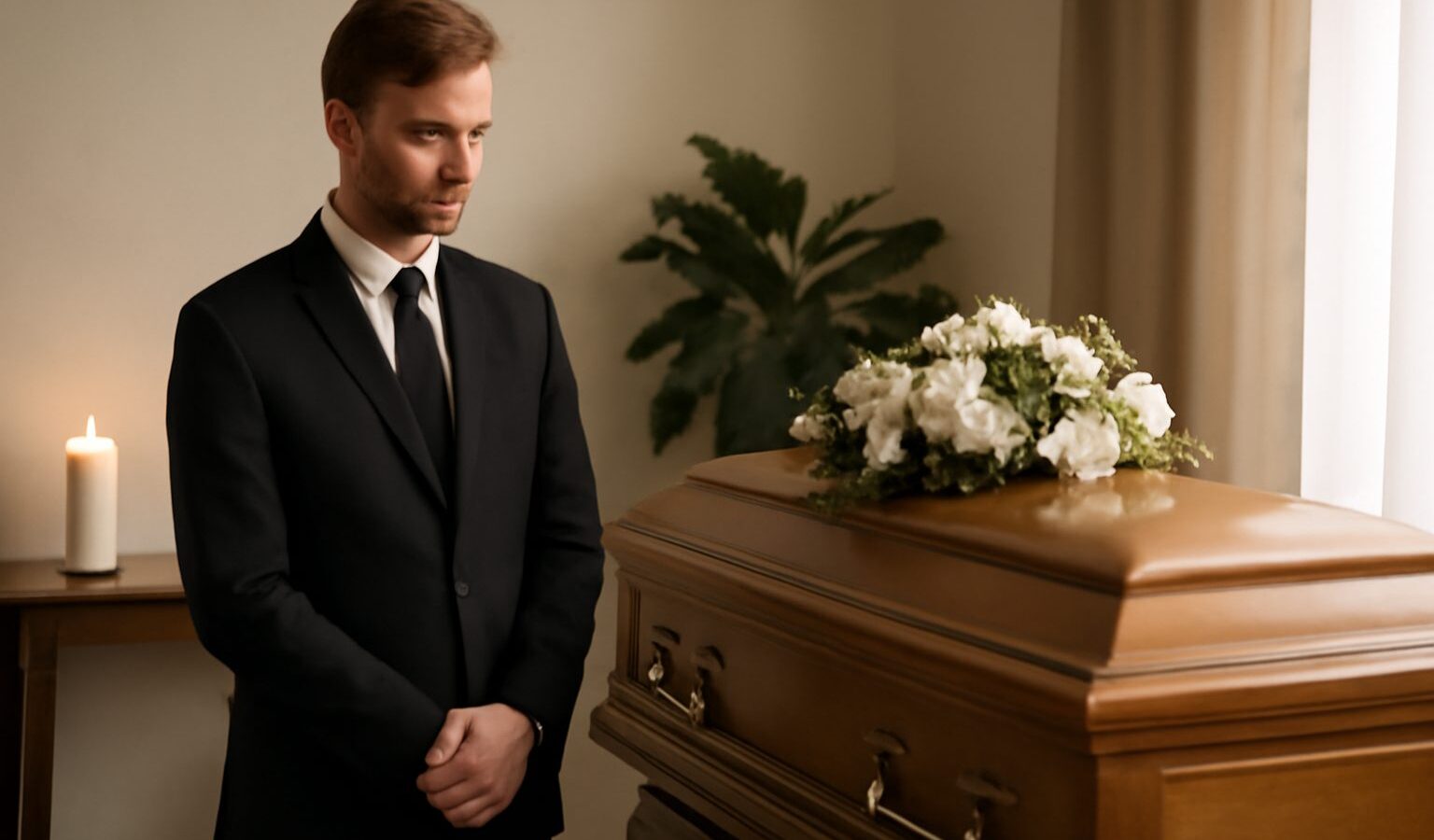
Few people grow up planning a funeral director career in Singapore, yet many who enter the field describe it as one of the most meaningful jobs they have held. Funeral directors guide families through the hardest days of their lives, coordinate religious and cultural rites, handle paperwork and logistics, and make sure the deceased is cared for with dignity. This guide explains what the work involves, the skills it demands, how people train for it, and what licensing and regulation look like, so you can decide whether it is right for you.

What a Funeral Director Actually Does Day to Day
The title covers a wide range of tasks, and in a small or mid-sized funeral company one person may do most of them. Typical responsibilities include:
- First call and collection. Responding to families at any hour, arranging transfer of the deceased from a home, hospital or mortuary, and explaining the next steps calmly.
- Arrangement meetings. Sitting with the family to agree on the type of service, religious rites, venue (a void deck, a funeral parlour or a place of worship), duration of the wake, casket or urn, and the choice of burial or cremation.
- Documentation. Helping families understand what is needed after a death is registered, and coordinating bookings for cremation or burial through the relevant government facilities. Requirements are set by the authorities, so experienced directors always check the latest procedures with the official bodies rather than relying on memory.
- Wake setup and management. Arranging tentage, chairs, altar or memorial displays, lighting, refreshments and the flow of visitors over several days.
- Coordinating religious practitioners. Working with monks, priests, Taoist masters, imams or other officiants, and making sure the order of rites matches what the family expects.
- Care of the deceased. Washing, dressing and preparing the body, and in some roles embalming or cosmetic restoration.
- Funeral day logistics. Organising the hearse, the procession and the final rites at the crematorium or cemetery.
Singapore’s multicultural mix means you will regularly serve Chinese, Malay, Indian, Christian, Catholic, Hindu, Muslim and free-thinker families, each with their own customs. Our guide to funeral customs by community gives a good sense of the range you will need to understand.
Skills and Personal Qualities That Matter Most
Technical skills can be taught. The harder part is temperament. Employers in the industry tend to look for:
- Composure under emotional pressure. Families may be grieving, angry or in shock. You need to stay steady and kind.
- Cultural and religious literacy. Knowing, or being willing to learn, the rites of different faiths and dialect groups, and asking respectfully when unsure.
- Organisation. A wake involves many moving parts, suppliers and deadlines, often arranged within hours.
- Physical stamina. Lifting, long standing hours, outdoor heat at void decks, and night calls are all part of the job.
- Discretion and integrity. You handle sensitive information, valuables and money on behalf of vulnerable people.
- Language ability. English plus Mandarin, Malay, Tamil or a Chinese dialect such as Hokkien, Teochew or Cantonese is a strong advantage, especially when speaking with elderly relatives.
Training Routes Into Funeral Service Work
There is no single compulsory degree for funeral directors in Singapore. Most people learn on the job, supported by short courses. Common routes include:
- Starting as a funeral assistant. Many directors begin by setting up wakes, driving, handling the deceased and assisting at services. Over time they take on arrangement meetings and then manage funerals independently.
- Joining a family business. A significant share of the industry is made up of family-run companies, and some people enter through relatives or long-standing connections.
- Structured in-house training. Larger funeral companies may run internal programmes covering customer service, religious rites, documentation and safety. Ask about this at interviews.
- Embalming and mortuary science courses. Embalming is a specialist skill. Some practitioners train with experienced embalmers locally, while others take recognised courses overseas. If you want to embalm, find out what qualification and regulatory approval are required before you invest in a course.
- Supporting courses. Grief support, counselling basics, first aid, and customer service courses help you stand out. Check whether any are eligible for SkillsFuture Credit, Singapore’s government-funded credit for adult learning, on the official SkillsFuture website.
Because course offerings change, compare what each programme actually teaches, who recognises it, and whether it includes supervised practical work.
Licensing and Regulation: What to Know
This section is general information, not legal advice. Funeral services touch on public health, so several activities are regulated. In broad terms:
- Funeral parlours are premises where the deceased is kept, prepared or embalmed, and they are regulated by the National Environment Agency (NEA). Operating one requires the appropriate licence and meeting hygiene and facility standards.
- Embalming and handling of the deceased are subject to public health rules. Who may embalm, and under what conditions, is set by the authorities, so check NEA’s current requirements.
- Cremation, burial and columbarium bookings go through government facilities and processes, with rules that can be updated.
- Running your own funeral business also means registering a company or business with ACRA (the Accounting and Corporate Regulatory Authority) through Bizfile, its online portal, and following consumer protection rules on clear pricing and contracts.
The table below summarises how responsibilities typically differ by role. It is a guide only; always confirm current licensing requirements directly with NEA and other relevant agencies.
| Role | Main tasks | Typical entry route | Regulatory points to check |
|---|---|---|---|
| Funeral assistant | Wake setup, transport, lifting, supporting services | Direct hire, on-the-job training | Workplace safety, driving licence class for vehicles |
| Funeral director | Family arrangements, rites coordination, documentation | Promotion from assistant, in-house training | Company’s licences, consumer protection and pricing rules |
| Embalmer | Preparing, preserving and restoring the deceased | Specialist course plus supervised practice | NEA rules on embalming and funeral parlour premises |
| Funeral business owner | Running operations, staff, compliance, finance | Years of industry experience | ACRA registration, NEA licences, contracts and pricing |
Pay, Hours and the Realities of the Job
Pay varies widely by employer, role and whether you earn commission on packages, so treat any figure you see online with caution and ask employers directly. What is consistent is the schedule: deaths do not keep office hours. Expect night and weekend calls, multi-day wakes, and busier periods that are hard to predict.
The emotional load is real. Directors regularly encounter sudden deaths, the deaths of children and difficult family dynamics. People who last in the field usually build habits to cope, such as debriefing with colleagues, keeping firm rest days where possible, and seeking professional support when needed. There is also some social stigma around the work in Singapore, especially among older relatives, so think about how you will handle questions from family.
On the positive side, families often remember a good funeral director for years.
How to Land Your First Role
- Approach companies directly. Many hire through referrals and walk-in enquiries rather than big job portals. A short, sincere message explaining why you are drawn to the work helps.
- Highlight transferable experience. Hospitality, healthcare, event management, logistics, eldercare and religious volunteering are all relevant.
- Ask good interview questions. What training is provided? How are night calls rostered? Is there a path from assistant to director? How does the company support staff after difficult cases?
- Learn the basics in advance. Read up on how families plan a funeral in Singapore so you understand the decisions they face.
Is This Career Right for You?
A funeral director career suits people who are calm, practical and genuinely caring, and who can switch between handling logistics and sitting quietly with a grieving widow. If you are curious, try speaking to people already in the field, or take a short-term assistant role before committing. Check licensing questions with NEA and business registration with ACRA, and you will start on solid ground.
Explore more: Funeral Customs by Community · Planning a Funeral in Singapore · How to Become a Social Worker in Singapore
Official sources: National Environment Agency (NEA)