
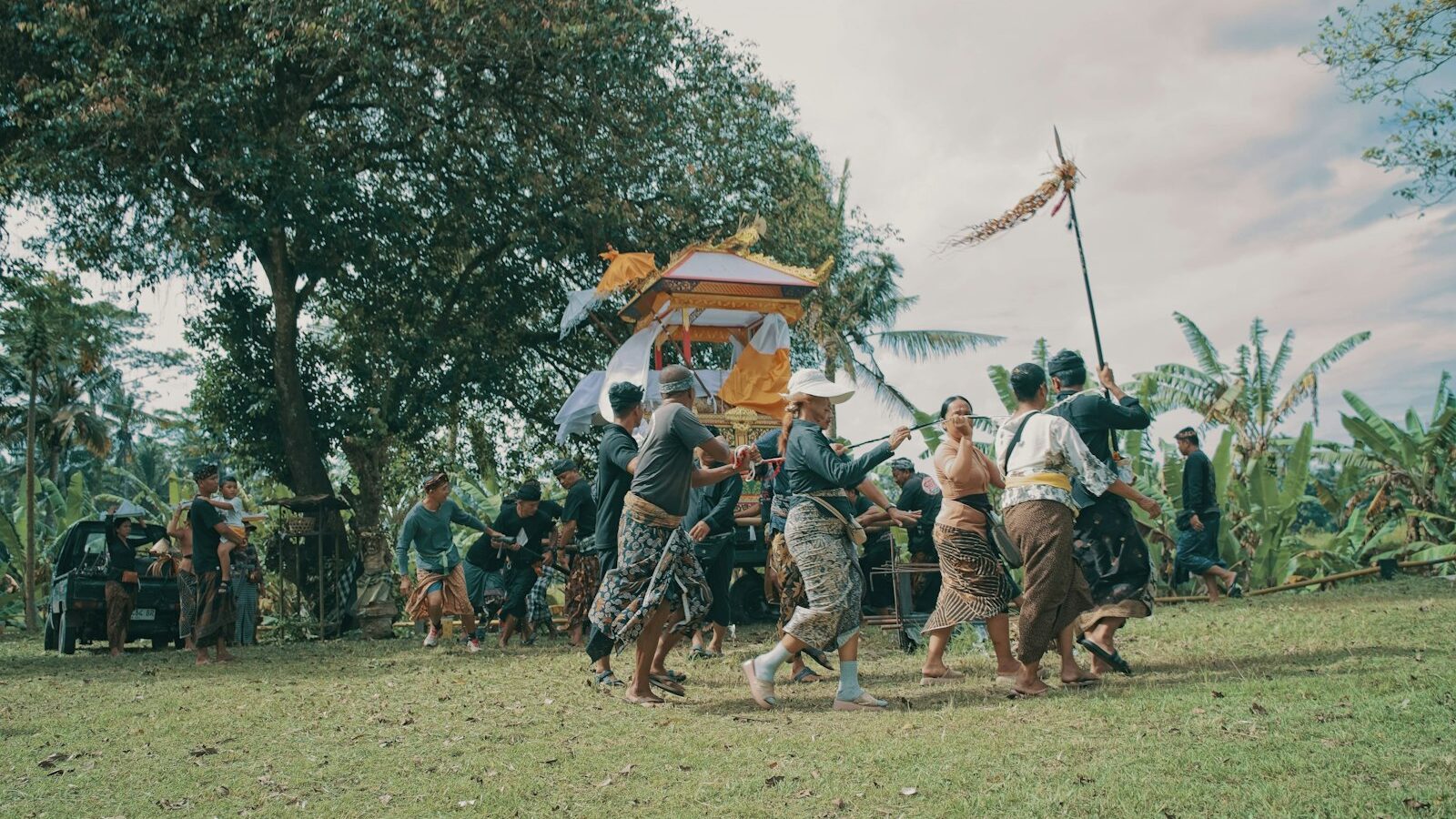
Funeral customs reflect deep cultural and religious traditions across Singapore’s communities. This guide offers a respectful overview of how different communities honour the departed, and understanding these traditions. This is a general, respectful overview.
Honouring the departed
Funeral customs are among the most significant and solemn traditions in any culture, reflecting deep cultural, religious and community beliefs about honouring the departed, mourning, and marking the passage of life. In multicultural Singapore, funeral customs vary across the different communities and faiths, each with its own meaningful traditions, rituals and practices for honouring the deceased and supporting the bereaved. These customs are deeply personal, cultural and religious matters, approached with solemnity and respect. Understanding, in a general and respectful way, the diversity of funeral customs across communities offers insight into the nation’s cultural and religious heritage, while recognising the sensitivity of the subject. Understanding that funeral customs reflect deep cultural and religious traditions for honouring the departed, and vary across Singapore’s communities, helps you approach the subject with the respect and solemnity it deserves, so you can appreciate, in a general and sensitive way, the meaningful and diverse traditions through which the nation’s communities honour the deceased and support the bereaved, as a solemn and significant part of cultural and religious heritage.
Customs across communities
| Community | Broadly |
|---|---|
| Chinese | Customs rooted in tradition and beliefs |
| Malay/Muslim | Customs following religious practice |
| Indian | Customs varying by tradition and faith |
| Others | Diverse customs by community and faith |
Funeral customs in Singapore vary across the different communities, each reflecting its own cultural and religious traditions and beliefs. The Chinese community observes funeral customs rooted in cultural traditions and beliefs, which may vary by dialect group, religion and practice. The Malay and Muslim community observes funeral customs following religious practice and tradition. The Indian community observes customs that vary by tradition, religion and community. Other communities and faiths observe their own respective customs. Across all, funeral customs are solemn, meaningful expressions of honouring the deceased, mourning, and supporting the bereaved, shaped by deep cultural and religious beliefs. The specifics are detailed, sensitive and best understood within each community’s own traditions. Understanding that funeral customs vary across communities, each rooted in its own cultural and religious traditions, helps you appreciate, in a general and respectful way, the diversity of these solemn practices, so you can recognise that Singapore’s communities honour the departed through meaningful, distinct customs shaped by their beliefs, while approaching the specifics with sensitivity and deferring to each community’s own traditions and guidance.
Respect and sensitivity
Funeral customs are deeply solemn, personal, cultural and religious matters, so approaching them with respect and sensitivity is essential. If attending or encountering a funeral or mourning observance of any community, it is important to be respectful, considerate and mindful of the customs, beliefs and feelings involved, following any guidance on appropriate conduct, dress and behaviour. Recognising the grief and solemnity of the occasion, and honouring the traditions and wishes of the bereaved and their community, reflects proper respect. When unsure of the appropriate conduct for a particular community’s customs, respectfully seeking guidance is wise. Sensitivity and respect are paramount in all matters relating to death and mourning. Understanding the importance of respect and sensitivity around funeral customs, being considerate, mindful and respectful of the solemnity, customs and feelings involved, helps you approach these matters appropriately, so you can conduct yourself with the respect and sensitivity that death, mourning and the diverse funeral customs of Singapore’s communities deserve, honouring the traditions, beliefs and feelings of the bereaved and their community in a solemn and considerate manner.
Understanding these traditions
Understanding funeral customs across communities, in a general and respectful way, offers insight into the nation’s cultural and religious heritage and the diverse ways its communities approach death, mourning and honouring the departed. It fosters mutual understanding, respect and consideration across communities, which is valuable in a multicultural society where people may encounter or need to respect the funeral customs of others. This understanding also reflects appreciation of the deep cultural and religious traditions that shape these solemn practices. However, given the sensitivity and depth of these matters, understanding should be approached respectfully and generally, with the specifics deferred to each community’s own traditions, beliefs and guidance. Understanding the value of understanding these traditions, for insight into heritage and fostering mutual respect in a multicultural society, helps you appreciate why a general, respectful awareness of funeral customs is worthwhile, so you can approach the diverse funeral traditions of Singapore’s communities with understanding, respect and consideration, fostering the mutual respect that a multicultural society values, while always deferring to each community’s own traditions and guidance on these solemn and sensitive matters.
A part of cultural heritage
Funeral customs, though solemn and sensitive, are a significant part of the cultural and religious heritage of Singapore’s communities, reflecting deep beliefs about life, death, honouring the departed and supporting the bereaved. They are among the most meaningful and enduring traditions of any culture, carrying profound significance for communities and families. Recognising funeral customs as part of cultural heritage, approached with the utmost respect and sensitivity, adds to a fuller understanding of the nation’s diverse communities and their traditions. This aspect of heritage is best appreciated with solemnity, respect and deference to the communities and beliefs involved. Understanding that funeral customs are a significant, if solemn, part of cultural heritage, reflecting deep beliefs about life, death and honouring the departed, helps you appreciate their place within the nation’s diverse traditions, so you can recognise these customs as meaningful expressions of cultural and religious heritage, approached always with the respect, sensitivity and deference that such solemn and profound matters deserve within Singapore’s multicultural society.
The takeaway
Funeral customs are among the most significant and solemn traditions in any culture, reflecting deep cultural and religious beliefs about honouring the departed, mourning, and supporting the bereaved, and in multicultural Singapore they vary across the different communities and faiths, each with its own meaningful traditions. Because these are deeply solemn, personal, cultural and religious matters, they must be approached with the utmost respect and sensitivity, being considerate and mindful of the customs, beliefs and feelings involved, and deferring to each community’s own traditions and guidance. Understanding funeral customs in a general, respectful way offers insight into the nation’s heritage and fosters mutual respect in a diverse society. These customs are a significant, solemn part of cultural heritage, deserving of respect, sensitivity and understanding. This is a general, respectful overview.
Explore more: Singapore wedding customs · Interfaith harmony in Singapore · Racial harmony and the CMIO model