
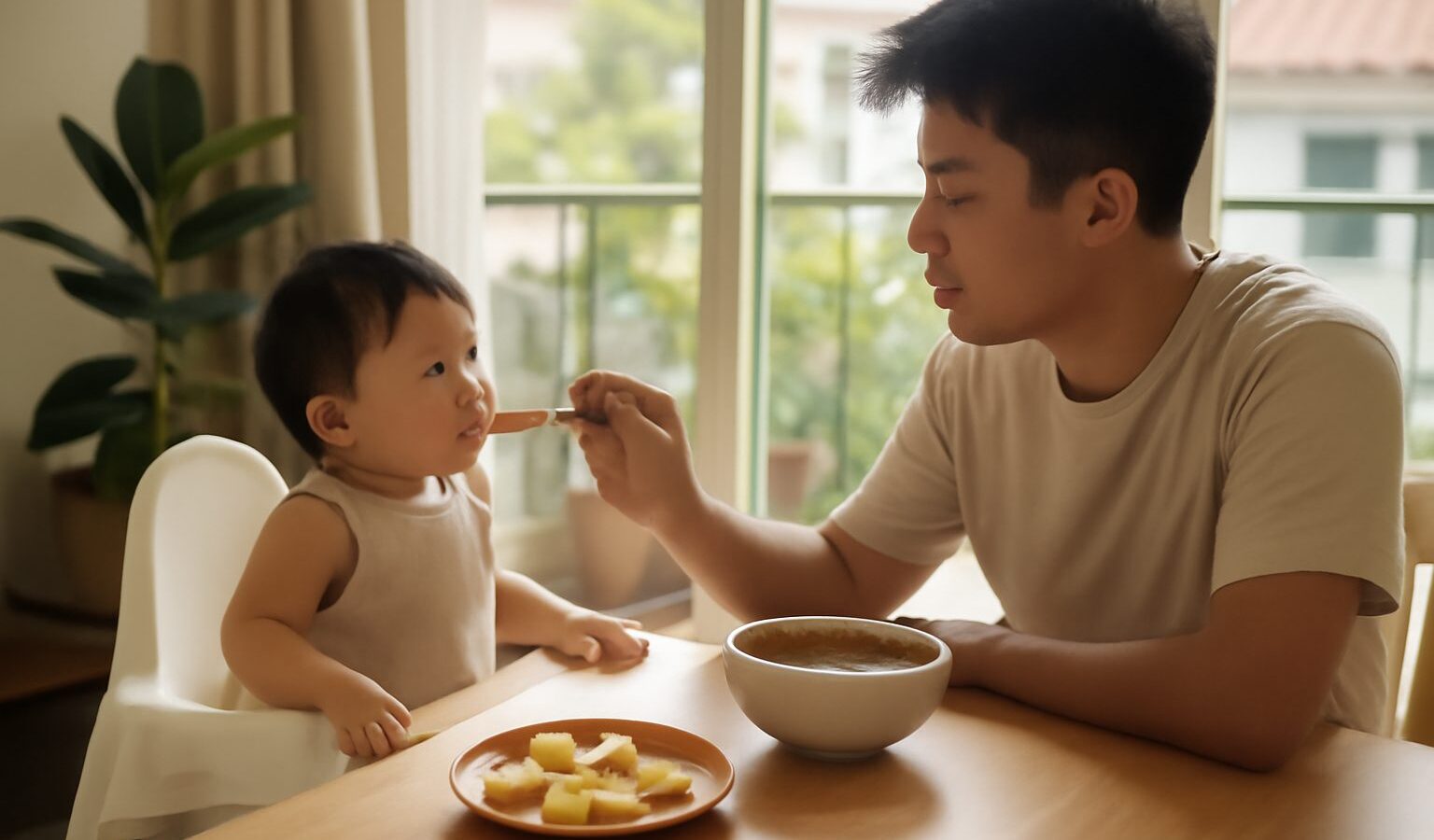
Choosing to stay home to raise your children is a big and personal decision. In a country where dual-income families are the norm and the cost of living is often talked about, being a stay at home parent singapore families may see less often can feel like swimming against the current. Yet many parents, whether mothers or fathers, make this choice for a season or for the long term, and it can be one of the most meaningful things they ever do.
There is no single right way to build a family. Some parents work full time, some work part time, some run a business from the kitchen table, and some are home full time. Each of these setups asks something different from you, and each can raise happy, secure children. If you are at home right now, or thinking about it, this guide is here to support you, not to judge any path.
The Value of the Work You Do
Let us start by saying it plainly. Being at home with children is work. It is early mornings, endless meals, laundry that never quite finishes, and the emotional labour of being present for small people all day long. The fact that it does not come with a payslip does not make it less real or less valuable.
In Singapore, where achievement is often measured by career and salary, it is easy to feel invisible when you step away from paid work. You may find that people ask what you do all day, or assume you are relaxing. You may even ask yourself these questions on the hard days. It helps to remember that raising your own children is a genuine contribution to your family and to society, not a gap in your story.
It also helps to talk openly with your partner about how you share responsibilities. Staying home does not mean carrying every domestic and caregiving task alone. The parent who is home is not automatically responsible for all of it. Sharing decisions, chores and downtime keeps things fair. Our thoughts on sharing the mental load of parenting can help you have that conversation gently.
Money, Identity and Staying Connected
Two of the biggest worries for stay-at-home parents are usually money and identity. Both deserve honest attention.
On money, living on a single income in Singapore takes planning, and there is no shame in that. Sit down together and look at your real needs, your savings and your commitments such as housing and childcare costs you may be avoiding by being home. Make it a shared budget rather than a favour one person grants the other. If the parent at home has no personal income, agreeing on a fair share of household money for their own spending protects their dignity and independence. Retirement savings matter too, so talk about how to keep contributions going where you can.
On identity, it is normal to grieve parts of your old routine. You may miss colleagues, lunch breaks that are actually breaks, and the sense of a job well done. Guard a little space for yourself. That might be a hobby, a short course, exercise, or simply time with friends. Looking after your own wellbeing is not selfish, and our guide to recharging and self-care for parents offers gentle, realistic ideas.
Staying connected to the wider world helps too. Join a parent group in your neighbourhood, meet other caregivers at the playground, or keep in touch with former colleagues. Many parents use time at home to learn new skills, volunteer, or slowly build a small business. None of this is required, but it can ease the isolation that sometimes creeps in.
Building a Routine That Works
Days at home can blur together without some structure. A loose routine gives both you and your child something to lean on. Think in simple blocks rather than a strict timetable. A typical rhythm might include an active morning outdoors, a calmer afternoon, meals at regular times, and a wind-down before bed.
Get out of the house when you can. Singapore has plenty of free and low-cost options such as parks, community libraries, playgrounds and heartland walks. Fresh air and a change of scene help both of you, especially on days when the flat feels small.
Multi-generational support is a real strength in many Singaporean families. If grandparents live with you or nearby, lean on that help without guilt, and be clear and kind about how you like things done. Shared caregiving can lighten your load and deepen family bonds at the same time.
Finally, be gentle with yourself on the hard days. Not every day will feel productive or joyful, and that is completely normal. If you are finding things consistently heavy, low or lonely, please reach out to your doctor or a counsellor. Asking for support is a sign of strength.
A Season Worth Honouring
Whether you are home for a few months or many years, this season with your children is real and important. It may not always feel glamorous, and it will not look the same as anyone else’s family. That is fine. If you and your partner keep talking honestly about money, fairness and wellbeing, being a stay-at-home parent can be a rich and steady foundation for family life. If you eventually return to paid work, our notes on work-life balance for working parents will be waiting when you need them.