
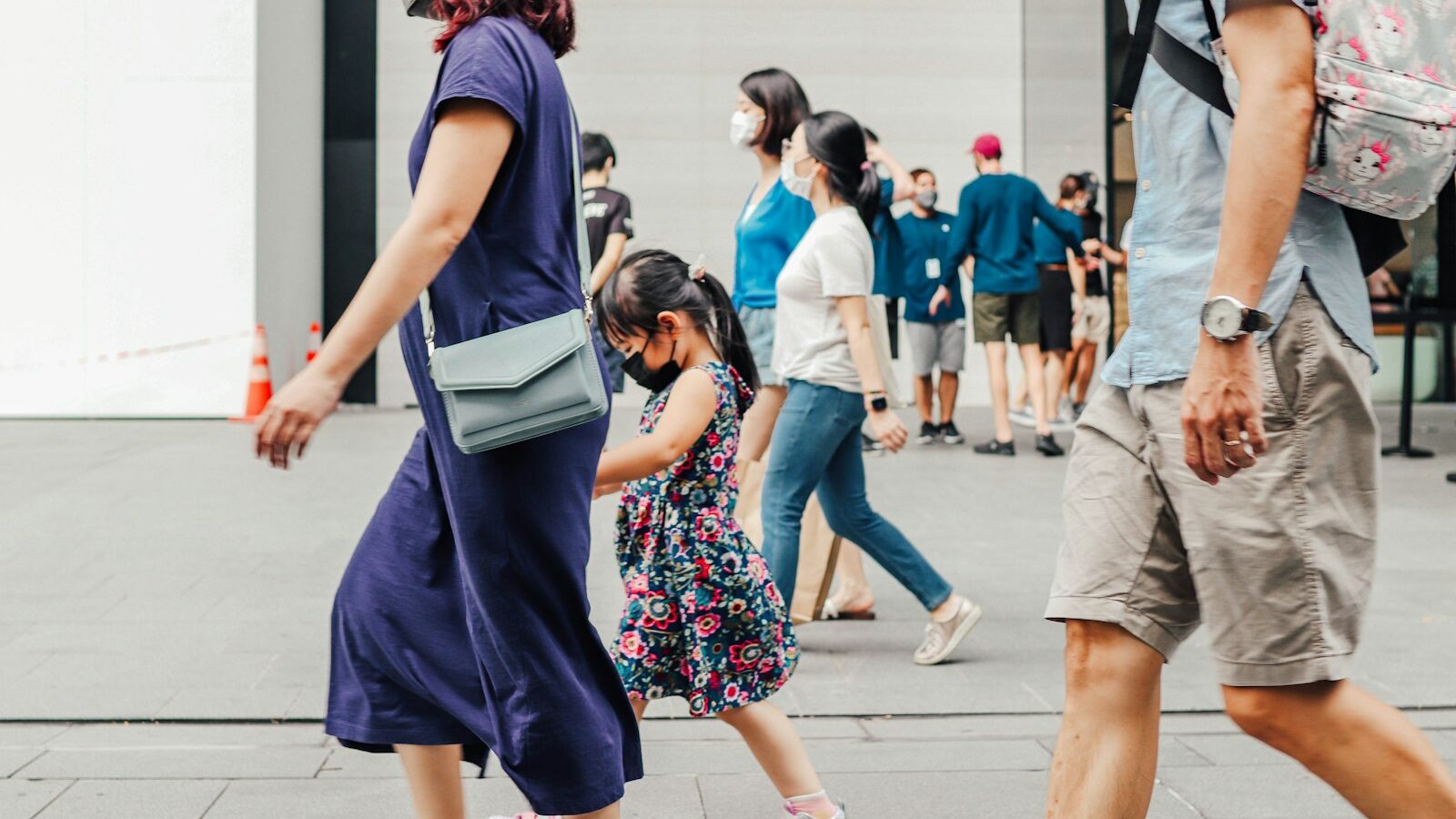
Adults choose to move; children mostly come along. When you relocate, you are excited about the opportunity, but your child may have left behind grandparents who raised them, a best friend, a familiar school, and a whole world that made sense. Child homesickness china singapore families deal with is real and normal, and it is not a sign you made the wrong choice. It is a sign your child had roots worth missing. This guide offers warm, practical ways to help a child settle here while keeping their connection to home alive, so the move becomes an addition to their life rather than a loss.
Recognise What Homesickness Looks Like
Children rarely say “I am homesick” in plain words. It comes out sideways, and the younger the child, the more it hides in behaviour. Knowing the signs helps you respond to the feeling underneath rather than just the surface trouble.
- Clinginess, tearfulness, or trouble sleeping, especially at bedtime.
- Tummy aches or headaches with no medical cause, often on school mornings.
- Withdrawing, going quiet, or losing interest in things they used to enjoy.
- Big feelings over small things, or asking repeatedly to call grandparents.
- An older child insisting they hate it here and want to “go back home”.
None of this means your child is broken or that the move has failed. It means they are grieving a real loss and adjusting to a new one. Your job is not to argue them out of the feeling but to make room for it while gently building their new footing.
Keep the Bridge to China Open
A child settles faster when they do not feel forced to choose between here and home. The more secure they feel in their connection to China, the more freely they can reach out into Singapore life. So keep the bridge busy in both directions.
Regular video calls with grandparents matter enormously, especially where grandparents were daily caregivers. Set a predictable time, allow for the one-hour difference, and let it be relaxed rather than a stiff performance. Small rituals help too: cooking a hometown dish, marking festivals, keeping photos up, letting them speak their home dialect or Mandarin freely at home. WeChat makes staying in touch easy, and seeing familiar faces often calms a child faster than any pep talk.
At the same time, resist making home sound like the lost paradise. If every conversation frames China as where the real life was, the child hears that Singapore can only ever be second best. Hold both as true: home is loved and still there, and here is becoming home too.
Help Them Build a Life Here
The antidote to missing an old world is slowly, patiently building a new one. Connection is what turns a strange place into home, and that happens through people, places, and small routines your child can rely on.
- Set up playdates and encourage one or two friendships rather than a whole crowd at once.
- Get involved in something regular: a sport, art class, the school CCA, a weekend activity.
- Learn your neighbourhood together so it feels like theirs: the playground, the library, the hawker stall they like.
- Keep a steady daily rhythm; predictability is deeply reassuring to an unsettled child.
- Notice and name what is good here, without dismissing what they miss.
Language can be an early hurdle, since a child arriving into Singapore’s English-medium classrooms may feel lost even if they are academically strong. Reassure them that this is temporary and normal, celebrate small wins, and let the school know so teachers can support the transition.
Work With the School, Not Alone
You are not meant to carry this by yourself. Singapore schools are used to children who join from overseas, and telling the teacher what your child is going through lets the adults around them pull in the same direction. A form teacher can quietly pair a newcomer with a buddy, keep an eye out at recess, and flag if something is not improving.
Every school also has access to a school counsellor, and there is no shame in asking for that support. Counsellors are there precisely for settling-in worries, friendship troubles, and low mood. If your child’s distress is intense, lasts many weeks, or you see real changes in eating, sleeping, or their willingness to go to school at all, do not wait it out alone. Speak to the school counsellor or your family doctor. This guide is supportive, everyday encouragement, not clinical advice, and persistent distress deserves a professional set of eyes.
Give It Honest Time
The hardest thing to accept is that settling is a process measured in months, not days, and it rarely runs in a straight line. A child can seem happy for a fortnight and then dissolve on a rainy Sunday when they suddenly miss their grandmother. That is normal. The table below sets rough expectations so you can pace yourself and not panic at a wobble.
| Stage | What you may see | What helps most |
|---|---|---|
| First weeks | Tears, clinginess, “I want to go back” | Routine, patience, staying close |
| Early months | Ups and downs, testing, some new friends | Activities, playdates, school support |
| Settling in | Fewer wobbles, a friend or two, small joys | Encouragement, keeping China ties warm |
| Longer term | Feels at home here, still loves home too | Celebrating both identities equally |
Above all, let your child feel that their sadness is allowed and that you are steady. They take their cue from you. If you are anxious and regretful, they read the move as a mistake; if you are warm, calm, and confident that this will come good, they slowly borrow that confidence. Missing home is not a problem to be solved overnight. It is love with nowhere to go yet, and with time and gentle support it settles into something that holds both worlds at once.
Explore more
Your child’s adjustment sits alongside bigger questions about their schooling and roots here. As they grow, you may weigh whether your child should take Higher Chinese, and understanding Nanyang Chinese identity can help you frame the two homes they now carry.