
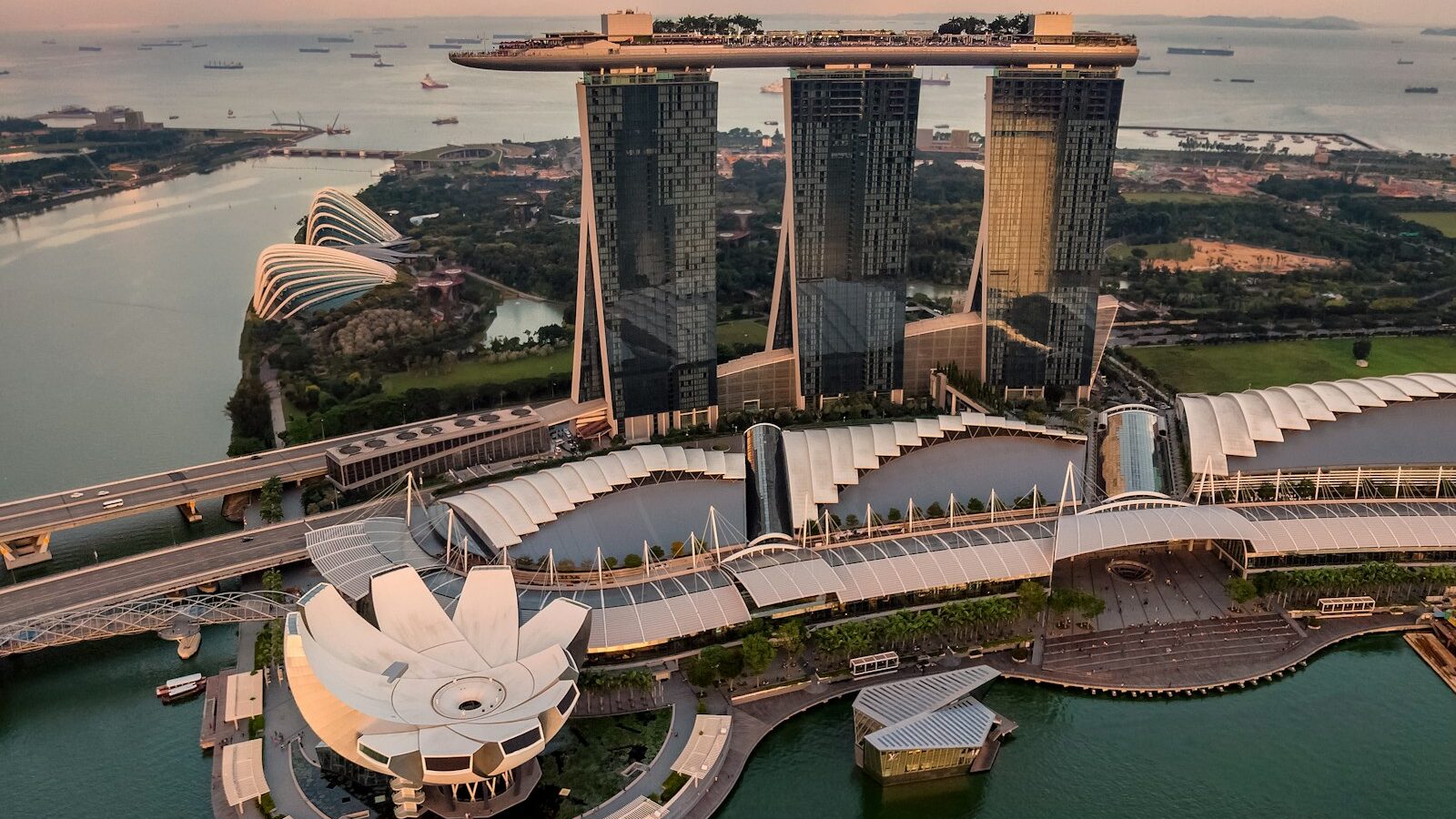
Ask ten people about the best places to live Singapore has to offer and you will get ten different answers, all of them right. This is a compact island, yet each district has its own rhythm, its own price feel, and its own idea of a good life. A hawker-loving foodie, a young couple chasing a buzzy nightlife, and a family weighing school catchments will each land somewhere very different, and none of them is wrong.
So before you fixate on a postcode, it helps to be honest about what “best” means for you. This guide walks through how to think about the decision, then gives a candid rundown of the best neighbourhoods Singapore is known for, grouped by the kind of person each one tends to suit.
Last checked: August 2026. Neighbourhoods, developments and prices change over time, so please verify current details before you decide.
How to think about “best”
There is no single winning neighbourhood, only the right trade-offs for your life right now. Four things do most of the heavy lifting.
- Budget. Rent and resale prices swing enormously between the city core and the heartland. The same monthly outlay might get you a shoebox near the river or a roomy flat further out. Decide early whether you are optimising for space, location, or savings, because you rarely get all three.
- Commute. Singapore is small, but daily travel still shapes your mood. Living near an MRT line you actually use matters more than raw distance. A twenty-minute train ride on a direct line beats a “closer” home that needs two transfers and a bus.
- Schools. For families, proximity to preferred schools and childcare can quietly dictate everything. Some areas are prized precisely because of the schools clustered there, which also pushes up demand and price.
- Lifestyle. Do you want hawker centres and wet markets on your doorstep, a beach for weekend runs, leafy quiet, or a buzzy strip of cafes and bars? Match the neighbourhood’s character to how you actually spend your evenings and weekends.
A useful rule of thumb: pick the area first for commute and lifestyle, then let your budget decide how much space you get within it. People who reverse that order often end up somewhere cheap but draining.
One more note for newcomers. Many of the classic expat areas earned that label for good reason, walkability, international schools, familiar amenities, but you are not obliged to follow the crowd. Some of the best value and most genuinely local living sits well outside those enclaves.
City and river living
The central districts around the Singapore River, Robertson Quay, Clarke Quay, and the wider downtown, are for people who want the city at their feet. Think riverside walks, restaurants and bars a lift ride away, and a short hop to the CBD.
- Character: polished, energetic, cosmopolitan. Condos with pools and gyms are the norm.
- Who it suits: professionals, couples, and anyone who values a near-zero commute and a lively social scene over square footage.
- Price feel: among the highest on the island. You pay a premium for location, and space is tight.
- Commute: unbeatable if you work downtown; walkable or a couple of stops on the MRT.
The East: Katong, Siglap and Marine Parade
The East Coast is many people’s sentimental favourite, and it is easy to see why. Katong and Joo Chiat carry Peranakan heritage and some of the city’s most beloved food, Siglap has a village-like cafe scene, and Marine Parade puts you within reach of East Coast Park’s long stretch of beach and cycling paths.
- Character: laid-back, food-obsessed, breezy. Low-rise charm mixed with newer condos.
- Who it suits: foodies, beach lovers, and families who want a relaxed, community feel. A perennial favourite among the classic expat areas too.
- Price feel: mid to high, with a wide spread. Heritage shophouse-style living costs more; older flats further back offer better value.
- Commute: historically reliant on buses and expressways, though newer MRT connections have improved things. Check your exact spot against the line you need.
Bukit Timah and Holland Village
If schools and greenery top your list, the Bukit Timah belt and neighbouring Holland Village are the classic answer. This is leafy, established, and quietly affluent, with nature reserves close by and a high concentration of sought-after schools.
- Character: green, spacious, family-oriented, with a mature and settled feel.
- Who it suits: families and anyone prioritising family friendly areas, good schools, and calm surroundings. Holland Village adds a compact, walkable hub of cafes and shops that has long drawn expat residents.
- Price feel: high. Landed homes and larger condos dominate, and the school factor keeps demand firm.
- Commute: decent MRT coverage, though the greenest pockets can sit a little further from a station. Factor that in.
Tiong Bahru and Tanjong Pagar
For hip, central, and walkable without the full downtown price tag, look to Tiong Bahru and Tanjong Pagar. Tiong Bahru pairs pre-war walk-up flats and a famous market with a well-loved cafe and bakery scene. Tanjong Pagar mixes conserved shophouses, restaurants, and easy CBD access.
- Character: characterful, trendy, low-key cool. A blend of old architecture and new tastes.
- Who it suits: young professionals and couples who want personality and a short commute, and do not mind compact living.
- Price feel: high for the central location and charm, though generally a notch below the prime riverside core.
- Commute: excellent. Both sit close to MRT lines and are within striking distance of the city.
The North-East and heartland
For genuine value and everyday local life, the North-East and the wider heartland deliver. Areas served by the North East and other lines give you newer flats, plentiful hawker centres, malls, and parks, at prices that leave room to breathe.
- Character: practical, community-minded, thoroughly Singaporean. Where daily life actually happens.
- Who it suits: first-time buyers, families on a sensible budget, and newcomers who want to live like a local and stretch their money further.
- Price feel: friendlier. Your budget goes noticeably further on space here than in the centre.
- Commute: a longer ride into town, but direct MRT lines make it painless if you pick a spot near a station.
The West: space and quiet
The West, including areas around Jurong and Clementi, rewards those who want room to spread out. There is a growing regional hub around Jurong, good schools, big parks, and steadily improving amenities, often at gentler prices than the centre or the classic east.
- Character: spacious, evolving, increasingly self-contained. Less buzz, more breathing room.
- Who it suits: families wanting size, people working in the west or in research and industry corridors, and anyone happy to trade central buzz for calm.
- Price feel: generally good value for the space, with variation as the area develops.
- Commute: fine if you work in the west; longer into the CBD, so weigh your workplace carefully.
Quick tips for choosing where to live
- Trial the commute at rush hour before you commit, not on a quiet weekend.
- Walk the neighbourhood in the evening to feel its real character.
- Check the nearest MRT and whether it serves the lines you actually need.
- Look one street back from the prime road; you often get similar life for less.
- Match the area to your stage, since the perfect spot for a single professional rarely suits a growing family, and the reverse.
The honest conclusion is that Singapore rewards people who choose deliberately. Get clear on your budget, commute, schools, and lifestyle, then let the neighbourhood follow. Whichever corner you land in, the island is small enough that everywhere else is only a train ride away.
Explore more: Where to live in Singapore · Renting in Singapore guide · Holland Village guide · Tiong Bahru guide