
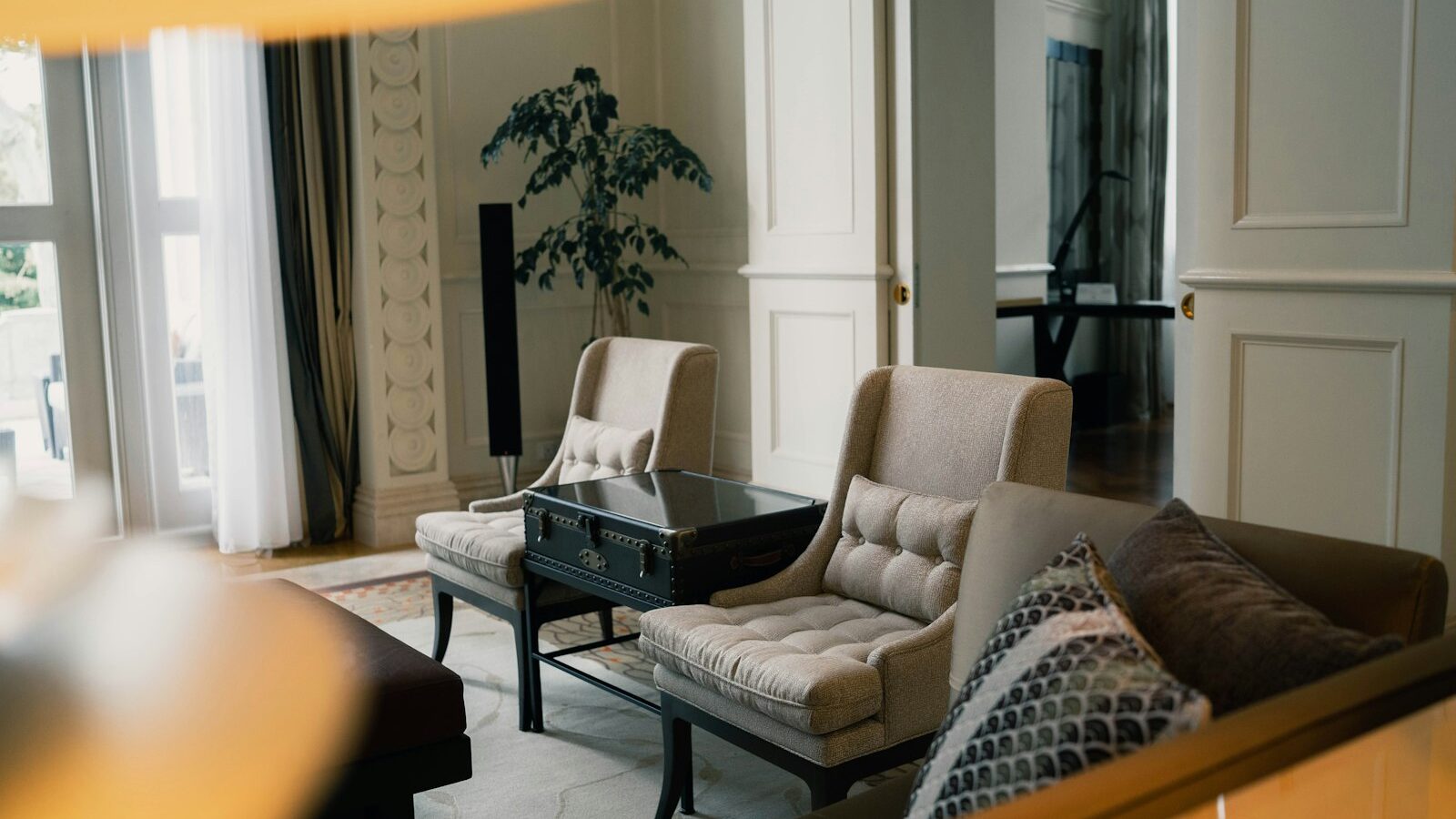
If you are building a home hi-fi system, one of the first big choices is the shape and size of your main speakers. The debate over bookshelf vs floorstanding speakers can feel confusing, especially when both are described with the same glowing words. The good news is that the decision comes down to a few practical things: the size of your room, how loud and deep you want the sound, your budget, and how the speakers will fit into your home. This guide explains the real differences in plain language so a newcomer can choose with confidence.
A speaker’s job is simply to turn an electrical signal into sound you can hear. Bigger cabinets can usually move more air, which tends to mean fuller bass and more effortless volume, while smaller ones are easier to place and live with. Neither type is automatically “better”. The right answer depends on where you live and how you listen, and in a typical Singapore flat that context matters a lot.
What the Two Types Actually Are
A bookshelf speaker is a compact box designed to sit on a stand, a shelf or a sturdy surface. Despite the name, it usually sounds best on a proper stand at ear height rather than crammed onto an actual bookshelf. It typically has two drivers, the small tweeter for high notes and a mid or bass driver for everything else.
A floorstanding speaker, sometimes called a tower or floorstander, is a tall cabinet that rests on the floor. It is essentially a larger enclosure with more room inside and often more drivers, which lets it produce deeper bass and higher volume without straining. It needs no stand, but it does need floor space and a bit of breathing room around it.
Both connect to the same kind of amplifier or receiver, and both can sound excellent. The core trade-off is that a floorstander gives you more sound for its size class, while a bookshelf gives you more flexibility and a smaller footprint.
How They Compare in a Real Home
The differences are easiest to see side by side. The table below sums up what actually changes when you move between the two, so you can weigh it against your own living space.
| Factor | Bookshelf speakers | Floorstanding speakers |
|---|---|---|
| Footprint | Small, needs a stand or surface | Larger, stands on the floor |
| Bass and volume | Good, may want a subwoofer later | Deeper bass, louder with less effort |
| Best room size | Small to medium rooms | Medium to large rooms |
| Placement | Flexible, easy to reposition | Needs space away from walls |
| Cost | Often cheaper, but add stands | Usually pricier for similar quality |
| HDB and flat living | Easier to keep neighbourly | Great sound, but easier to overdo |
Read the table as a starting point, not a rulebook. A well-set-up pair of bookshelf speakers in a small room can easily sound better than a large tower squeezed into the wrong space.
Which Suits a Singapore Home
Most of us listen in HDB flats or condominiums where the living room doubles as the family space, so room size and neighbours are real considerations. A compact living room or a bedroom system usually pairs beautifully with bookshelf speakers, because they fill a small space without overwhelming it and are simple to tuck away or move.
Floorstanders come into their own in a larger living room, a landed home or a dedicated listening corner where you have the floor space and the distance to enjoy their fuller sound. In a small room a big tower can produce boomy, uneven bass that actually sounds worse, because the low notes build up against nearby walls.
There is also the matter of being a good neighbour. Floorstanders make it easy to reach volumes that travel through walls and floors, so if you play music in the evenings, be mindful of quiet hours and the people around you. Bass in particular carries far in concrete buildings. Bookshelf speakers, played sensibly, make that easier to manage, though any speaker can be too loud.
Humidity is worth a thought too. Whichever type you choose, keep speakers out of direct sun and away from damp, wipe dust off gently, and give them a little airflow. Cabinets and drivers last longer when they are not sitting in a hot, moist corner for years.
Sound, Bass and the Subwoofer Question
People often assume floorstanders always sound bigger, and in raw bass and volume they usually do. But “bigger” is not the same as “better”. A quality bookshelf speaker can be more precise and better balanced than a mediocre tower, and in a small room that clarity is often more enjoyable than deep bass you cannot use.
If you love bass but want the flexibility of bookshelf speakers, a common answer is to add a subwoofer later. A subwoofer is a dedicated bass speaker that handles the lowest notes, letting your compact speakers do the rest. This gives many small-room listeners the best of both worlds. Set the subwoofer’s volume modestly, especially in a flat, so the low end supports the music rather than shaking the room.
A few honest points to keep in mind:
- Placement matters more than price. Speakers too close to a wall or corner often sound boomy. Give them a little space and aim them roughly towards your listening seat.
- Stands are not optional for bookshelf speakers. Budget for solid stands at ear height, or the sound suffers and you lose much of the benefit.
- Match speakers to your amplifier. Very small speakers and very large rooms are a poor fit, and so is a tiny amplifier driving demanding towers. Ask a local shop for a sensible pairing.
- Your room shapes the sound. Hard floors, glass and bare walls make sound harsher, while rugs, curtains and soft furniture tame it.
Specifications, models and prices change constantly, so treat any single figure you read online as a rough guide and compare current options in person where you can.
How to Make the Final Choice
Start with your room and your habits, not the spec sheet. Measure your space, think about how loud you actually listen, and be honest about how much floor room you can spare. If you live in a compact flat, value flexibility, or are on a tighter budget, bookshelf speakers on good stands are a superb, HDB-friendly starting point that you can grow with a subwoofer later. If you have a larger room, want effortless volume and deep bass without extra boxes, and have the space to place them well, floorstanders make sense.
Above all, try to listen before you buy. Bring music you know well to a local hi-fi shop, hear a few pairs at a realistic volume, and trust your own ears over the marketing. The best speaker is the one that sounds right in your home, fits your life, and makes you want to keep listening.