
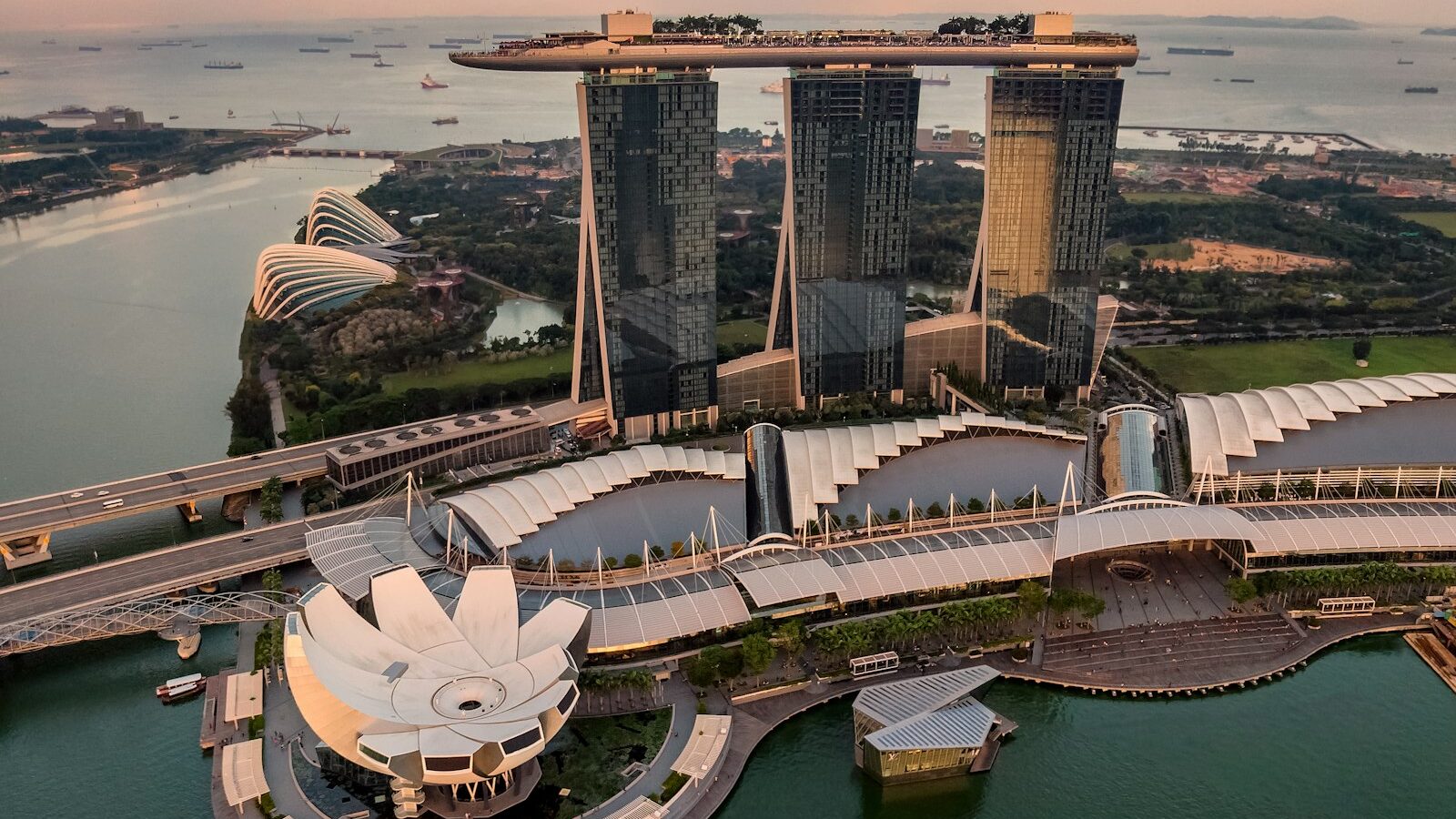
A good travel itinerary singapore travellers can actually follow is not a minute-by-minute script. It is a flexible frame that tells you where you sleep, how you move between places, and roughly what fills each day, with enough slack that one late train or one long lunch does not collapse the whole trip. Whether you are flying regional from Changi for a long weekend or heading long-haul for two weeks, the same method works. Start with fixed anchors, fill the gaps with a realistic pace, then pressure-test the plan against your energy, your budget and the clock.
This guide gives you a repeatable process rather than a single sample plan, because the best itinerary is the one shaped around your trip, not someone else’s.
Start With Your Fixed Anchors
Before you list a single attraction, write down the things that cannot move. These anchors give the rest of the plan a skeleton to hang on.
- Your outbound and return flights, including the real times you clear Changi and land back home.
- Any booked accommodation with fixed check-in and check-out dates.
- Dated tickets: a concert, a match, a cooking class, a museum slot, a ferry or a train you have already paid for.
- Non-negotiables from the people you travel with, such as a family visit or a rest day.
Lay these out on a simple day grid, one column per day. Immediately you can see how many usable days you really have. A “five day trip” often has one arrival day half-eaten by the flight and immigration, and a departure day where you can only manage a slow breakfast before heading to the airport. Counting honestly here saves you from cramming.
Singapore travellers get a natural advantage on regional trips: short flight times mean an early Changi departure can still give you most of a first day on the ground. Long-haul is different, so treat the first day after a big time change as a soft, low-ambition day.
Set the Pace Before You Set the Places
The most common itinerary mistake is packing every waking hour. Decide your travel style first, then let it govern how much you schedule.
A simple rule of thumb: plan one or two “big” activities a day and leave the rest open. A big activity is anything that eats a half-day or needs energy and focus, such as a major museum, a hike, a day trip or a long food crawl. Around it, pencil in softer options you can take or drop: a neighbourhood to wander, a cafe, a market, a park.
Build in these deliberately:
- A slow morning at least every third day, especially on longer trips.
- Buffer time between anything with a fixed start, so a delayed lunch does not make you miss a booked slot.
- One genuinely unplanned block where you follow whatever looks interesting.
Pacing is also about matching the plan to who is travelling. Young children, older relatives and anyone recovering from a red-eye all need shorter days and more rest. It is far easier to add an activity on the day than to unpick an overbooked schedule while standing tired on a street corner.
Comparing Itinerary Styles
Different trips call for different structures. Pick the style that fits your destination and group, and know its trade-offs.
| Itinerary style | Best for | Pace | Watch out for |
|---|---|---|---|
| Single base, day trips | First-time visitors, families, one region | Relaxed, unpack once | Long return journeys eat day-trip time |
| Multi-stop loop | Seeing several cities or islands | Busy, lots of transit | Packing and moving every couple of days |
| Fixed tour or cruise | Convenience, no logistics | Set by operator | Little flexibility, less local spontaneity |
| Open, book-as-you-go | Flexible solo or couple trips | Very free | Higher stress in peak season, patchy availability |
There is no best style, only the best fit. Many good trips mix them: a few settled nights in one base, then a short loop, then a slower finish before the flight home.
Map the Days Geographically
Once you know your anchors and pace, group activities by area so you are not crossing a city twice in a day. Cluster things that sit near each other, and slot meals and rest where you already are rather than doubling back.
A few practical habits:
- Put anything weather-sensitive, like a rooftop or a beach, on your most flexible day so you can move it if it rains. Coming from our tropical climate, also build cold-weather realism into cold destinations: shorter outdoor stretches and warm-up stops.
- Note opening days and hours. Many museums and small eateries close one day a week, and public holidays abroad can shut more than you expect.
- Keep travel-heavy days lighter on activities. Moving accommodation is itself a half-day once you factor in packing, transfers and check-in.
- Save a written or offline copy of addresses, booking references and maps, since data abroad can be patchy.
For any trip that hops across borders, sequence the legs so you are not backtracking, and give yourself margin around each crossing. If your plan hinges on catching onward flights, read up on making tight flight connections before you commit to a short layover.
Keep It Flexible and Verify the Essentials
An itinerary is a plan, not a promise. The best ones are written in pencil. Keep a short list of “if we have time” options and a couple of wet-weather fallbacks, so a cancelled activity becomes a swap rather than a hole in the day.
A final pre-trip pass matters as much as the plan itself:
- Verify entry requirements for every destination with the country’s embassy or consulate, and check ICA for anything on the Singapore passport and exit side. The Singapore passport is strong, but visa-free access is never guaranteed and rules change, so confirm close to departure.
- Check that your passport validity and any required blank pages meet each destination’s rules.
- Look at MFA travel notices for your destinations, and note local emergency numbers and the nearest Singapore mission.
- Confirm every booking reference, and re-check flight times a day or two before you fly, since schedules shift.
Treat prices in your plan as rough guides only. Fares, room rates and tour costs move constantly, so budget with ranges and a contingency buffer rather than fixed figures.
Do a quick reality check at the end. Read the itinerary as if you were living it hour by hour. If a single delay would topple the day, add slack now. The goal is a plan loose enough to enjoy and firm enough to keep you moving.
Explore More
Once your day grid takes shape, tighten the logistics around it. See our guide to building a pre-travel checklist so nothing essential is left to the last minute, and read planning a multi-country trip from Singapore if your itinerary crosses more than one border. To keep the whole trip affordable, pair your plan with saving and budgeting for travel.