
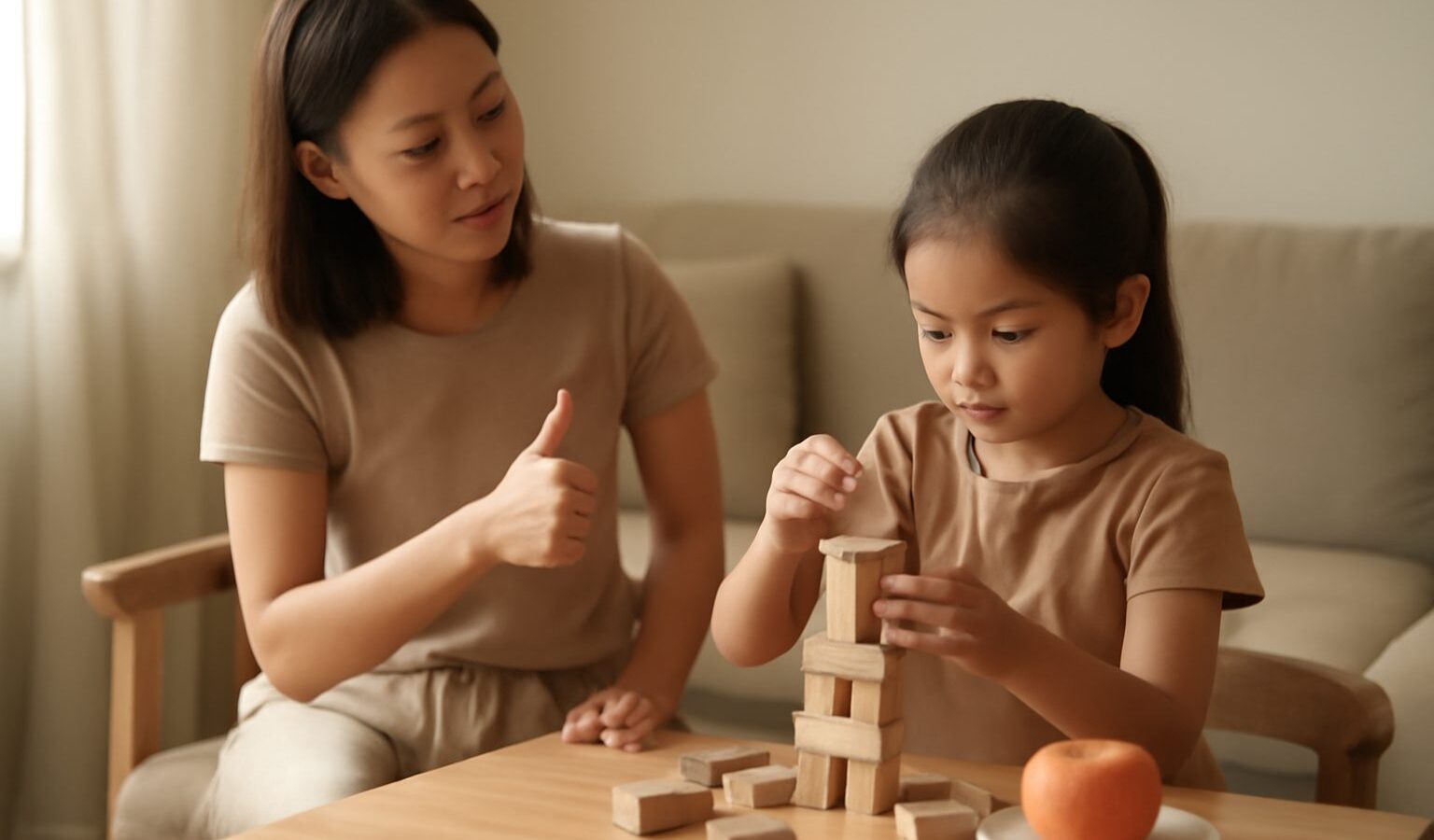
Building resilience in children in Singapore is one of the quiet gifts a parent can offer, and it matters more than almost any grade. Resilience is not about raising a child who never struggles or never cries. It is about raising one who can meet difficulty, wobble, and find their way back up. In a fast paced environment where children face tests, comparisons and plenty of pressure, the ability to cope with setbacks and keep going is what helps them thrive over the long run. This guide offers warm, practical ways to nurture that inner strength at home, built around a growth mindset, a healthy relationship with failure, everyday problem-solving and steady emotional support.
What Resilience Really Is
Resilience is often misunderstood as toughness, as if a resilient child simply shrugs off hard things. In truth it is closer to flexibility. A resilient child feels disappointment fully but is not flattened by it. They can name what they feel, recover their balance and try again.
Importantly, resilience is not a fixed trait some children are born with and others lack. It is built, slowly, through experience and through the way the adults around them respond. Every time a child faces a manageable challenge with support nearby, a little more resilience takes root. This means it is something you can genuinely help grow, not something to simply hope for.
Nurture a Growth Mindset
At the heart of resilience is a belief that abilities can improve with effort, practice and good strategies. This is often called a growth mindset, and it stands in contrast to a fixed mindset, where a child believes they are either good at something or not.
You can nurture a growth mindset in small, everyday ways. Praise effort, strategy and improvement rather than only results or cleverness. Instead of, you are so smart, try, I can see how hard you worked on that. When your child says they cannot do something, gently add the word yet: you cannot do it yet. That tiny word turns a closed door into a path. Over time, a child who believes they can grow is far more willing to try hard things and to keep going when they stumble.
Let Failure Be Safe
One of the kindest things you can do is allow your child to experience failure in small, safe doses rather than protecting them from every disappointment. A child who is never allowed to fail never learns that failure is survivable, and that lesson is one of the most freeing there is.
When your child does fail at something, resist the urge to rush in and fix it or to smooth every feeling away. Instead, sit with them in the disappointment, acknowledge that it is hard, and then help them see what they might learn or try differently next time. The message you want to send is not that failure does not matter, but that it is not the end. It is information, a normal part of learning, and something everyone experiences.
This is especially worth remembering around school results in Singapore, where a single test can feel enormous. Keeping a calm, proportionate response to setbacks teaches your child that their worth is not measured by a mark, which is perhaps the most protective belief of all.
Build Everyday Problem-Solving
Resilience grows when children learn they can act on their problems rather than only feel overwhelmed by them. You can build this by resisting the urge to solve everything for them and instead guiding them to find their own way through.
When your child brings you a problem, try asking questions before offering answers:
- What exactly is the problem? Helping them name it clearly is half the battle.
- What could you try? Invite them to brainstorm a few options, even imperfect ones.
- What might happen if you try that? Encourage them to think a step ahead.
- What will you do first? Turn ideas into one small, doable action.
This gentle coaching, repeated over the years, teaches children that problems have handles, that they have choices, and that they are capable. That felt sense of capability is the backbone of resilience.
Offer Steady Emotional Support
None of this works without warmth. Resilience does not come from being left to cope alone. It comes from knowing there is a safe, loving base to return to. Children are braver when they feel securely held.
So alongside all the mindset and problem-solving, keep the emotional door wide open. Let your child know that all their feelings are allowed, even the big uncomfortable ones, and that they can bring those feelings to you without being judged or fixed straight away. Sometimes a child does not need a solution at all. They need a hug, a listening ear and the reassurance that they are loved regardless of how the day went.
The table below sums up these four pillars and a simple way to practise each.
| Pillar | What it builds | A simple way to practise |
|---|---|---|
| Growth mindset | Belief that effort helps | Praise effort, add the word yet |
| Safe failure | Setbacks feel survivable | Stay calm, look for the lesson |
| Problem-solving | A sense of capability | Ask questions before giving answers |
| Emotional support | A secure base to return to | Listen first, reassure often |
Every Child Is Different
It helps to remember that children build resilience at their own pace and in their own ways. A more sensitive child may need extra reassurance, while a bolder one may need help slowing down to reflect. There is no single right timeline, and comparing your child with others rarely helps.
Be patient with the process, and with yourself. You will not respond perfectly every time, and you do not need to. What children absorb over the years is the overall pattern: that difficulty is normal, that they are capable, and that they are loved through it all.
If your child seems persistently low, anxious or unable to cope over a longer stretch, do reach out for extra help. A school counsellor can offer guidance and support, and there is no shame at all in asking. Building resilience in children in Singapore is a shared, gradual journey, and seeking support when it is needed is itself a fine example of the resilience we hope to pass on.