
Singapore is quietly one of the richest cities in the world for small winged life, and you do not have to travel far to enjoy it. Butterfly watching in Singapore is a gentle, low-cost hobby that turns any garden, park connector, or patch of flowering shrubs into a place worth lingering. Add in beetles, dragonflies, bees, and the countless other insects sharing that space, and you have a hobby with endless variety and no end of things to learn.
Why Watch Butterflies and Insects
This hobby is easy to begin and surprisingly deep. On the surface, it is simply the pleasure of spotting a flash of colour and following it to a flower. Go a little deeper and you start recognising species, noticing which plants each one favours, and understanding life cycles from egg to caterpillar to adult. It is meditative and unhurried, which makes it a lovely antidote to a busy week. It also suits our climate perfectly, since insects are active year round here, and even a short morning walk can turn up a dozen species.
There is a scientific side too. Many hobbyists contribute their sightings and photographs to citizen-science projects, which help track how species are doing across the island. Your casual weekend habit can quietly add to real knowledge about local biodiversity.
What You Need to Start
You can begin with nothing but your eyes and a bit of patience, then add gear as your interest grows.
- A camera or a decent phone camera, ideal for recording what you see without disturbing anything.
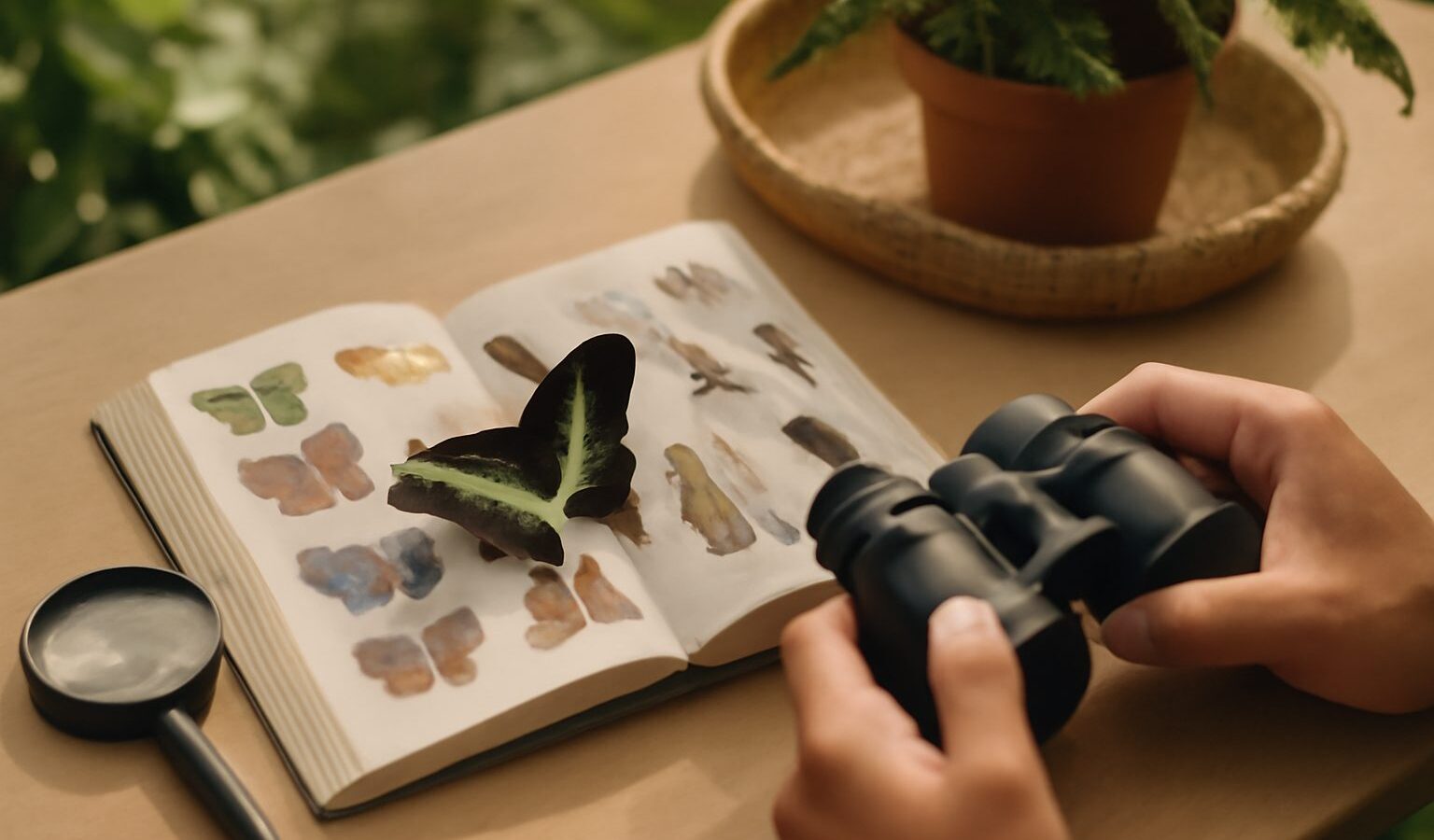
- Close-focusing binoculars, which let you watch skittish insects from a comfortable distance.
- A regional field guide or a good identification app to help you put names to what you find.
- A hat, water, sunscreen, and insect repellent, since you will be out in the sun and near mosquitoes.
Wear muted colours, move slowly, and learn to approach from an angle rather than looming overhead. Butterflies are most active on warm, bright mornings, while many other insects are easiest to find in the cooler early hours.
Watching Respectfully
The heart of this hobby is observation, not collection. Do not catch, handle, or remove insects, and never disturb wildlife or their habitats to get a better photo. In particular, do not collect specimens or plants from nature reserves and other protected areas, where removing anything is not allowed. Stay on paths, avoid trampling the very plants that attract the insects you came to see, and leave caterpillars and eggs where they are. The goal is to look, photograph, and log, then walk on and leave everything as you found it.
A responsible watcher treats every green space as borrowed. That mindset protects the insects and keeps these spots thriving for the next person.
How to Improve and Where to Look
Start with the easy, showy species and build up from there. Keep a simple log of what you see, where, and the date, and revisit the same spots across the year to notice how the cast of characters changes. Flowering shrubs, herb patches, and the edges of wooded areas are all reliable, and many neighbourhood parks and gardens are excellent without any special trip. Community nature walks led by knowledgeable guides will fast-track your identification skills more than any app.
This hobby pairs beautifully with other patient outdoor pursuits. If you like recording what you see, nature journaling and sketching is a natural companion, and many watchers also enjoy birdwatching as a hobby in Singapore, which uses the same slow, attentive eye. If the identification puzzle grabs you, you might branch into urban foraging as a hobby, learning to name the plants that feed the insects you love.
A Warm Wrap-Up
Butterfly and insect watching asks very little and gives back a great deal. It costs almost nothing to begin, it fits into the smallest gap in a weekend, and it slowly retunes your attention so that ordinary green spaces feel full of life. Keep it respectful, watch and photograph rather than catch, and let curiosity lead. Before long you will find yourself pausing at every flowering bush, quietly delighted by the small, winged world that has been there all along.