
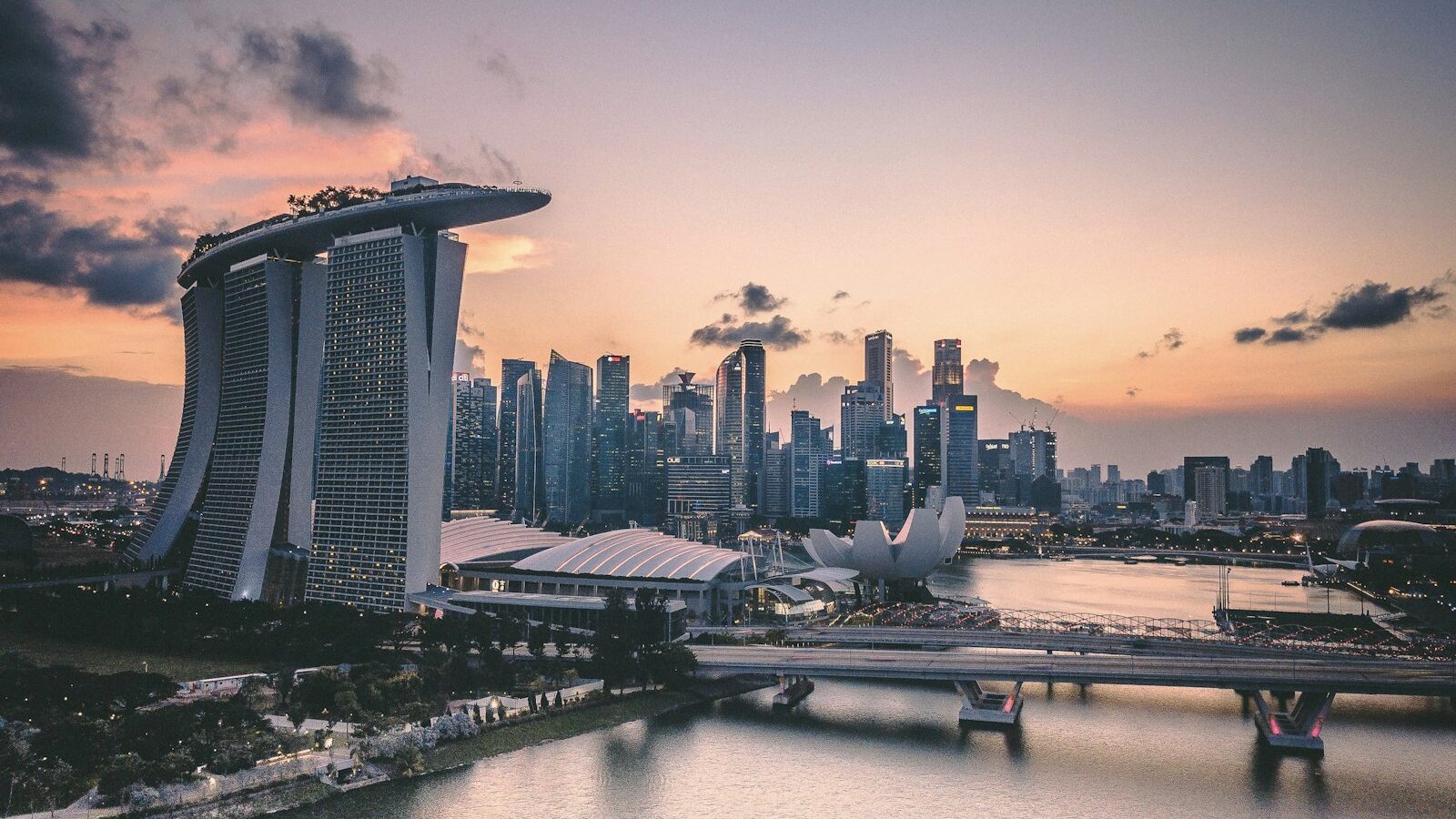
If you have shopped online or in a mall lately, you have probably seen the option to split your payment into a few smaller amounts. That is buy now pay later, and it has become a familiar sight at Singapore checkouts. Understanding how buy now pay later in Singapore actually works, before you tap on it, is the difference between a handy tool and a slow-building money problem.
This guide explains the mechanics in plain terms, weighs the appeal against the risks, and shows how it compares with a credit card and with simply paying upfront. Everything here is general information, not financial advice. Consider your own situation and check the exact terms with the provider before you commit.
How Buy Now Pay Later Works
The core idea is simple. Instead of paying the full price today, you split a purchase into several equal instalments, often spread over a few weeks or months. A common structure is paying part of the amount at checkout and the rest across later dates. For the shopper, the instalments themselves are usually interest-free, which is a big part of the appeal.
Behind the scenes, the BNPL provider pays the merchant the full amount, and you repay the provider over time. The provider typically earns money from fees charged to merchants, and, in some cases, from charges that apply if you pay late. A quick approval check happens at checkout, and it is often lighter than a full credit application.
A few practical points to keep in mind:
- Repayments are usually collected automatically from a linked card or bank account on set dates.
- The interest-free promise applies only if you pay on schedule. Miss a date and other charges can apply.
- Approval for a small amount today does not mean you can comfortably afford it once several plans overlap.
Because the sums per instalment look small, it is easy to underestimate the total you are committing to. Always look at the full price, not just the first payment.
The Appeal and the Real Risks
The attraction is genuine. Splitting a larger purchase can smooth out your cashflow, let you spread the cost of something you truly need, and avoid credit-card interest if you pay on time. Used with discipline, it can be a neat way to manage timing.
The risks are just as real, and they tend to creep up quietly:
- Overspending. When a $200 item feels like “four small payments”, you may buy things you would not have bought at full price. The friction that normally makes you pause is removed.
- Juggling multiple plans. Because each purchase can start its own schedule, it is easy to lose track of how many instalments are due and when. Several plans running at once can quietly add up to a large monthly commitment.
- Late fees and other charges. If a scheduled payment fails, you may face additional charges, and repeated misses can affect your standing with the provider.
- Pressure on cashflow. Future instalments are money you have already spent. A single unexpected bill can turn a comfortable month into a tight one when several repayments land together.
None of this means the tool is bad. It means the responsibility sits with the user, and the small-print numbers matter. Do not rely on any figure you half-remember; confirm the current fees and terms directly with the provider.
Safeguards and the Industry Code
In Singapore, the BNPL sector operates under an industry code of conduct that providers who sign on agree to follow. In general terms, such a code is designed to encourage responsible practices, for example around setting limits on how much a user can owe, carrying out suitability checks, and giving clearer information about fees and the consequences of missing payments. There is also an accreditation approach so shoppers can identify providers that have committed to the standards.
The intent behind these safeguards is to reduce the chance of consumers building up unmanageable debt across multiple providers. Still, a code sets a floor, not a guarantee. The protections vary in detail and can change over time, so treat them as a backstop rather than a reason to relax your own judgement. If you want the specifics, check the current terms with the individual provider and look for its accreditation status.
Buy Now Pay Later vs Credit Card vs Paying Upfront
Each option shifts cost and risk in a different direction. The table below compares them in general terms. Actual fees, charges and features differ by provider and product, so verify the details before deciding.
| Feature | Buy now pay later | Credit card | Paying upfront |
|---|---|---|---|
| When you pay | Split into scheduled instalments | Full amount at next statement, or minimum with interest | Immediately, in full |
| Cost if you pay on time | Usually interest-free instalments | No interest if paid in full by due date | No borrowing cost at all |
| Cost if you slip | Possible late or other charges | Interest on the balance, plus late fees | Not applicable |
| Approval | Light check at checkout | Full credit application | None needed |
| Rewards or perks | Usually none | Often points, miles or cashback | None |
| Main risk | Overspending across several plans | Revolving debt if unpaid | Larger one-off hit to your cash |
| Best suited to | A specific, affordable, planned purchase | Disciplined payers who clear the balance | Anything you can comfortably afford now |
The honest takeaway is that paying upfront is the cheapest and simplest when you can afford it. BNPL and credit cards are both fine for people who repay on schedule, and both become expensive for people who do not.
Using It Responsibly, or Choosing to Avoid It
If you decide to use buy now pay later, a few habits keep it in check:
- Add it to your budget as a real expense. Future instalments are commitments, not free time. Track them the way you track any bill.
- Limit yourself to one plan at a time. The moment you are juggling several, the tool has started managing you.
- Only split what you could pay in full today. If you could not buy it outright, splitting the payment does not make it affordable, it just delays the pinch.
- Set reminders and keep the linked account funded so no payment fails.
- Use it for needs, not impulse wants. The interest-free framing is designed to feel painless; that is exactly when to slow down.
For many people, the cleaner choice is to skip BNPL for everyday shopping and reserve any splitting for genuinely planned, necessary purchases. Building a small buffer of savings does the same job with none of the schedule-juggling. If BNPL commitments are already stacking up, pause new purchases, list every instalment due, and prioritise clearing them.
Remember, this is general information and not financial advice. Your circumstances are unique, so weigh any decision against your own budget and, if you are unsure, speak to a licensed financial adviser and confirm all fees and terms with the provider.
Explore more
Credit is a tool that rewards discipline, so it helps to see how the pieces fit together. If you want to use plastic well rather than let it use you, read our guide on using credit cards wisely in Singapore. And if BNPL is a symptom of a stretched month, the practical fixes in cutting your monthly expenses in Singapore can free up the cash so you rarely need to split a payment at all.