
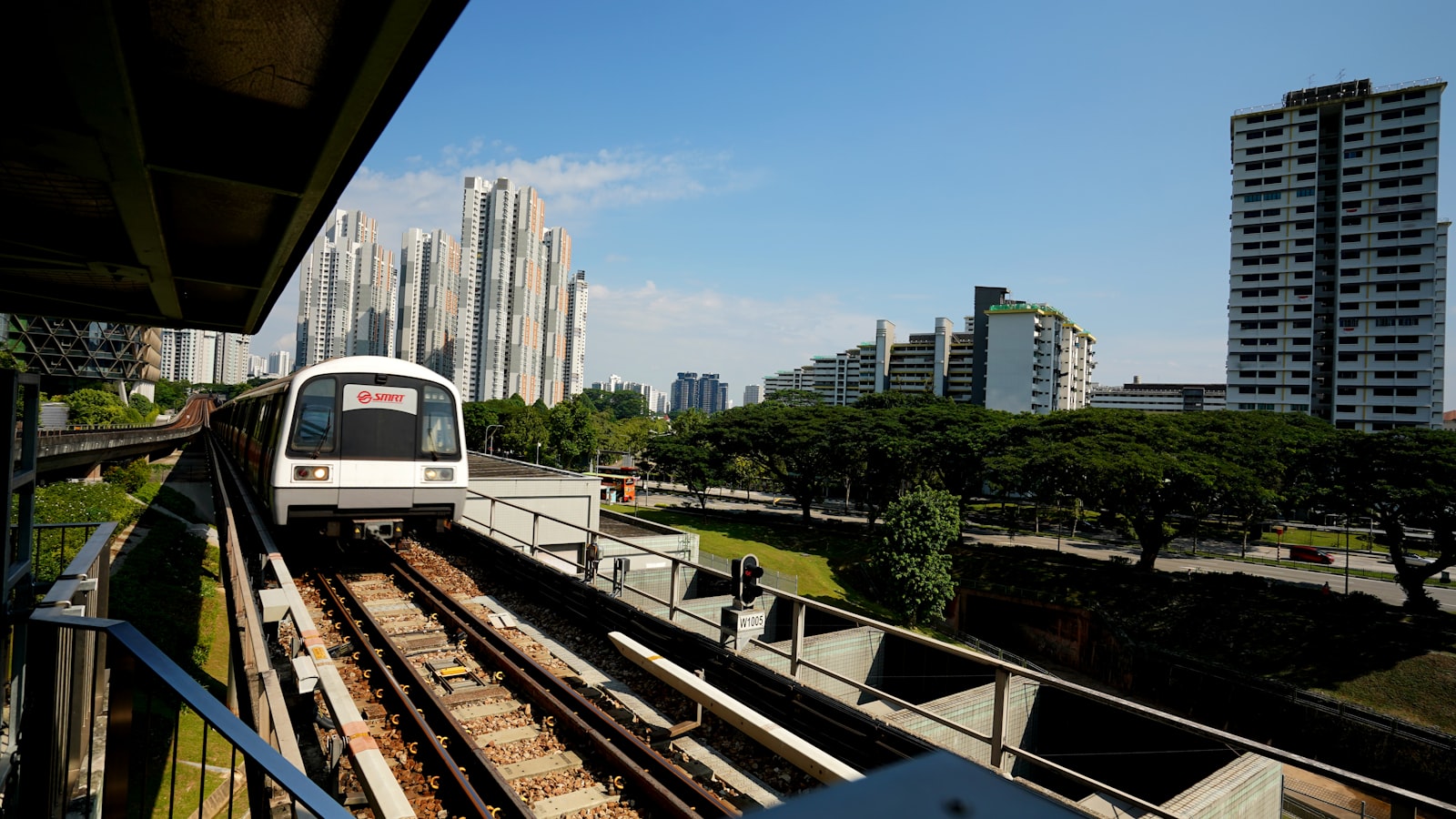
Ask ten Singaporeans what makes a home worth paying more for, and “near the MRT” comes up almost every time. In a city built around its rail network, being a short walk from a station can shape your daily commute, your weekend plans and, yes, your resale prospects. But buying property near an MRT is not a simple win. You usually pay a premium for it, some units sit close enough to hear the trains, and “near” means very different things in a listing than it does on your feet. This guide walks through the honest trade-offs so you can decide what proximity is actually worth to you.
This is general information to help you weigh a decision, not financial, legal or property-agent advice. For anything specific to your budget or a particular unit, speak to a bank or a MAS-regulated mortgage adviser about loans, and a CEA-registered property agent about the transaction.
Why MRT Proximity Carries a Premium
The appeal is practical. A home within a few minutes of a station gives you a reliable, weatherproof commute, easy access across the island, and freedom from depending on a car or feeder bus. For many households, that convenience is worth a real, ongoing saving in time and transport costs.
Because so many buyers and tenants value the same thing, homes near stations tend to attract steady demand. That demand is exactly why they usually cost more to buy and can hold their appeal when you eventually sell or rent out. Connectivity is one of the more durable factors that affects a property’s value, alongside the age of the lease, the estate and the unit itself. If you want the fuller picture, our guide on what affects a property value sets out how these pieces fit together.
A word of caution, though. A strong location does not guarantee a good outcome, and past price trends do not predict the future. Property can fall as well as rise. Proximity to a station is one ingredient, not a promise.
What “Near” Actually Means on Foot
Listings love the word “near”, but it does a lot of hiding. A property advertised as near a station could be a genuine three-minute stroll, or it could be a fifteen-minute walk that crosses a busy road, climbs an overhead bridge and offers no shelter when it rains. The map distance and the real walking experience are often very different.
Before you fall for a listing, do the walk yourself, ideally at the time you would normally commute. Pay attention to:
- Sheltered access. Is there a covered walkway most of the way, or will you be soaked in a downpour?
- Road crossings and lifts. Overhead bridges, long traffic-light waits and a single slow lift can add several minutes.
- The real door-to-platform time. Time it from your future front door to the platform, not from the block’s main gate to the station entrance.
- Which line, and which direction. A station on a line that takes you straight to work is worth far more to you than one that needs two interchanges.
A unit that is genuinely a few minutes away, sheltered and on a useful line is a different proposition from one that merely shares a postcode with a station.
Weighing the Trade-offs Honestly
Being close to a station is not all upside. The units nearest the tracks or the station entrance can come with noise, crowds and less privacy, and they often carry the steepest premium. Sometimes the sweet spot is a block a little further in, quieter and cheaper, but still an easy walk. The table below lays out the general trade-offs. Treat any figures as illustrative only; actual premiums vary widely by estate, project and market conditions, so check current listings and recent transactions.
| Position relative to station | Typical convenience | Noise and crowd | Price and rental demand |
|---|---|---|---|
| Right beside the station or tracks | Highest, door-to-platform in minutes | Can be noticeable, from trains, buses and foot traffic | Usually the highest premium; strong tenant demand |
| A short, sheltered walk away | Very good, still an easy daily commute | Generally quieter and more private | Solid premium; broad buyer and tenant appeal |
| A longer or unsheltered walk | Moderate, less appealing in bad weather | Usually quiet | Smaller premium; narrower demand |
| No nearby station | Depends on buses and driving | Depends on the area | Priced on other strengths, not rail access |
The point is not that one row is always right. A quiet unit a slightly longer walk from the station may suit a family, while a young professional who commutes daily might happily pay more to be right on top of it.
How to Check Connectivity Before You Commit
Proximity to today’s station is only half the story. What matters is where that line actually takes you, and whether the area’s connectivity is improving or already mature.
- Trace your real routes. Map the journey to work, to family, to your child’s school. Count the interchanges and the realistic travel time, not just the number of stops.
- Look at the whole neighbourhood, not one dot on the map. A station is one amenity among many. Wet markets, hawker centres, schools and green space all shape daily life. Our guide to choosing the right neighbourhood covers how to read an area as a whole, and if schools matter to you, see buying a home near good schools.
- Factor in future lines. A confirmed upcoming station can change an area’s connectivity and its appeal. It can also mean years of construction next door. We cover this in how upcoming MRT lines affect property.
- Do not overpay for the label. “Near MRT” is a headline, not a valuation. Compare the asking price against recent transactions for similar units, and read how to avoid overpaying for a home before you make an offer.
For official market data and private-property transaction records, URA is the authority. For anything to do with the rail network itself, the Land Transport Authority publishes route and station information.
Making the Decision Your Own
There is no universal answer to how much MRT proximity is worth. It depends on whether you drive, how far you commute, whether you plan to rent the place out one day, and how much a quiet home matters to you. The best approach is to be honest about your own life rather than buying the label because everyone says you should.
Weigh a genuine, sheltered, short walk to a useful line as a real plus. Treat a distant or awkward walk that merely borrows a station’s name with scepticism. And remember that connectivity is one factor among several, not a shortcut to a guaranteed gain.
Because rules, financing limits and market conditions change, verify current figures and eligibility with the official sources, HDB for public housing, MAS on loan rules, IRAS on stamp duties and URA for private-property data, before you commit. Get advice specific to your situation from the right licensed professional. Buying property near an MRT can be a smart, liveable choice, as long as you know exactly what you are paying for and why.
Related across Sky Media: Buying Property as a Foreigner in Singapore · Buying Property Under a Company in Singapore