
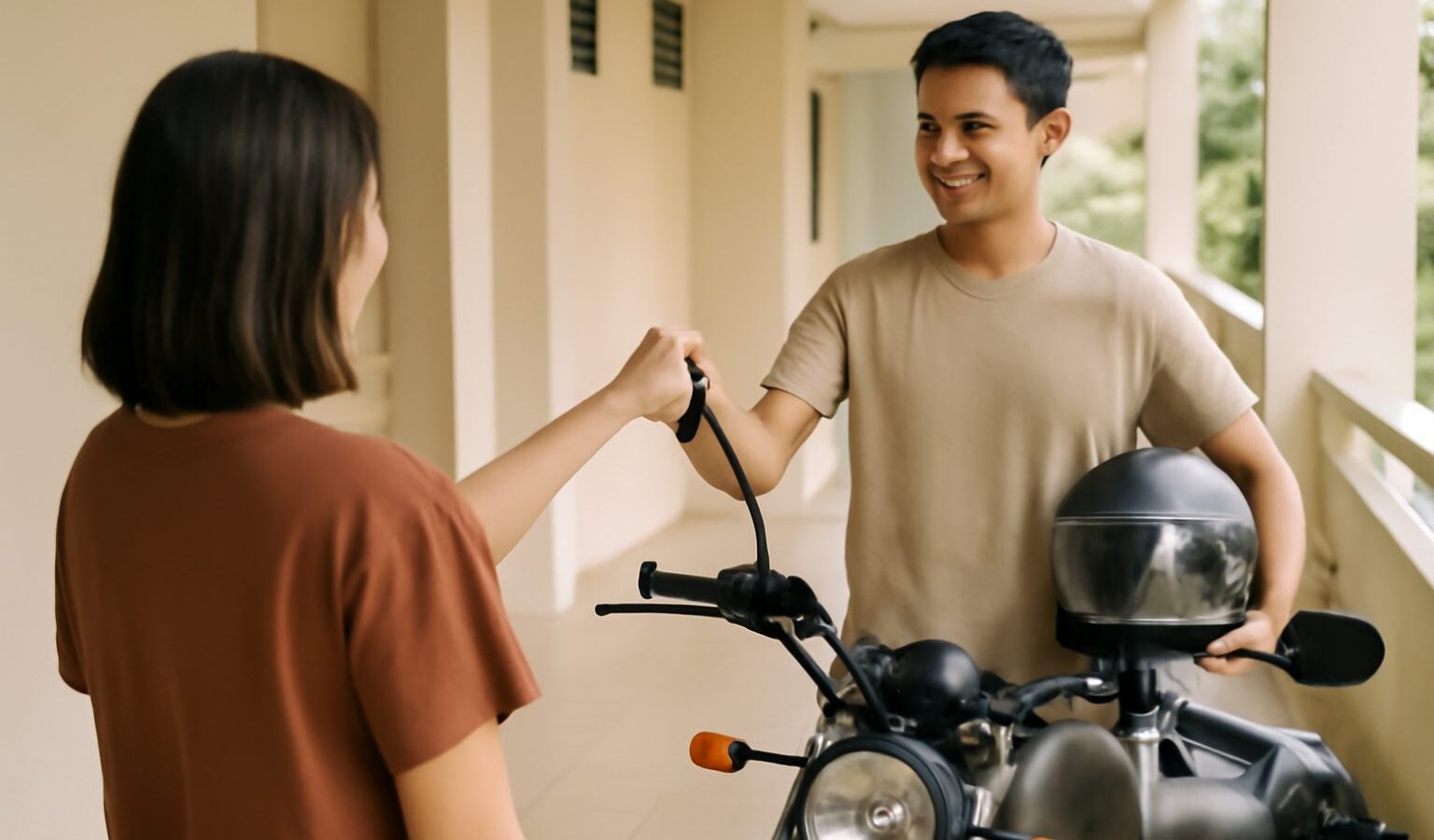
There is a particular kind of excitement that comes with earning your Class 2B licence and picturing yourself weaving through traffic instead of waiting for it. Buying your first motorcycle is a big step, though, and it pays to be clear-eyed about the money, the machine and the risks before you put down a deposit. A bike is cheaper to buy and run than a car, but it asks far more of you as a rider. This guide walks through choosing between new and used, picking a sensible starter bike, budgeting honestly for the ongoing costs, and gearing up so that your first year on the road is a safe one.
Before anything else, a word on scope. This is general information to help you plan, not professional financial or riding advice. Licence classes and road rules are set by the Traffic Police, and costs such as COE and road tax change constantly, so always confirm the current details with the official sources named below.
Starting on the Right Licence and the Right Bike
In Singapore, new riders begin with a Class 2B licence, which allows you to ride a motorcycle up to a set engine capacity defined by the Traffic Police. You move up to Class 2A and then the unrestricted Class 2 only after holding each class for the required period. That progression exists for good reason: it keeps beginners on smaller, more forgiving machines while the core skills of balance, braking and hazard awareness become second nature.
For a first bike, resist the temptation to buy the biggest, most powerful machine your licence permits. A lighter, moderately powered bike is easier to manage in stop-start traffic, kinder on your wallet at the pump, and much less punishing if you drop it in a carpark, which many new riders do at least once. Popular starter styles include commuter-friendly nakeds, small-capacity scooters for pure practicality, and lightweight retro or dual-purpose bikes. Sit on a few. Your feet should reach the ground comfortably and the bike should feel manageable when you walk it around, because confidence at low speed is where safe riding begins.
New or Used: Weighing Up Your First Bike
The first real decision is whether to buy new from an authorised dealer or used from the open market. Both are valid, and the right choice depends on your budget, your mechanical confidence and how long you plan to keep the bike.
A new bike comes with a fresh COE, a manufacturer warranty, and the reassurance that nothing has been abused or bodged by a previous owner. You pay more upfront and absorb the steepest depreciation, but you know exactly what you are getting. A used bike costs less to buy and has already taken its biggest depreciation hit, which can make it a smart first purchase, especially if you expect a few knocks while you learn. The trade-off is uncertainty: you inherit whatever wear, crash damage or neglect the bike carries, and less COE may be left to run.
| Factor | New bike | Used bike |
|---|---|---|
| Upfront cost | Higher | Lower |
| Depreciation | Steepest in early years | Already largely absorbed |
| Warranty | Manufacturer warranty | Usually none or limited |
| Condition | Known and pristine | Varies; must be inspected |
| COE remaining | Full new term | Partial, check the logcard |
Whichever way you lean, buy from a reputable source. For a used bike, ask to see the logcard, check the COE expiry and outstanding road tax, and have a trusted workshop or an experienced rider inspect it before money changes hands. Walk away from anything with a murky history, mismatched documents or a seller who rushes you.
The Real Cost of Getting on the Road
The sticker price is only the beginning. Owning a motorcycle in Singapore carries several recurring costs, and new riders often underestimate them. Because these figures move with policy and the market, treat the list below as the categories to budget for rather than fixed numbers, and check the current rates yourself.
- COE. Every motorcycle needs a Certificate of Entitlement, valid for a set term. Prices are set by open bidding and vary between exercises, so check the latest results on LTA’s OneMotoring rather than relying on hearsay.
- Road tax. Charged annually and scaled to engine capacity, so a larger bike costs more to tax. Confirm your bike’s rate on OneMotoring.
- Insurance. Compulsory, and typically dearer for young or newly licensed riders because they represent higher risk. Get quotes from several insurers and understand your excess, the amount you pay out of pocket on a claim.
- Registration and transfer fees, plus any dealer charges when you buy.
- Running costs: petrol, engine oil and regular servicing, tyres, which wear faster on a bike than many expect, and consumables such as brake pads and the chain.
Set aside a contingency for the first service and the odd repair. A realistic budget accounts for all of these, not just the monthly instalment, so you are not caught short. For anything to do with tax, COE or rebates, LTA OneMotoring is the authority; for premiums and excess, ask the insurer directly.
Safety Gear and Skills That Keep You Upright
On a bike you are the crumple zone, so protective gear is not optional and skill is everything. A helmet that meets an approved safety standard is a legal requirement and your single most important purchase, so buy one that fits snugly and replace it after any significant impact. Beyond the helmet, kit yourself out properly:
- A proper riding jacket and gloves, ideally with armour at the shoulders, elbows and back. Even a low-speed slide on hot tarmac can cause nasty injuries that gear prevents.
- Sturdy trousers and over-the-ankle footwear. Shorts and slippers offer no protection at all.
- A visor or goggles to keep rain, dust and insects out of your eyes.
Gear only helps if your riding is sound. Ride within your limits, keep a generous following distance, and assume other road users have not seen you, because motorcycles are easy to miss. In our climate, sudden monsoon downpours make roads slick and reduce visibility, so ease off, brake gently and give yourself extra space in the wet. Consider a further riding course after you pass your test; the confidence and control it builds are worth far more than a few extra horsepower.
Before You Ride Away
Buying your first motorcycle should be a considered decision, not an impulse. Choose a bike that matches your licence and your experience rather than your ego, be honest with yourself about the full running costs, and invest in gear that will protect you when, not if, something goes wrong. Confirm the COE, road tax and insurance details through OneMotoring and your insurer so there are no surprises, and have any used bike checked by someone who knows what to look for.
Get those foundations right and the reward is real: an affordable, nimble way to get around a busy island, and the simple pleasure of riding. Take it steady in your first year, keep learning, and let the confidence come with the miles.
Related across Sky Media: Using CPF to Buy Your First Home as a New PR · Buying Your First Condo in Singapore