
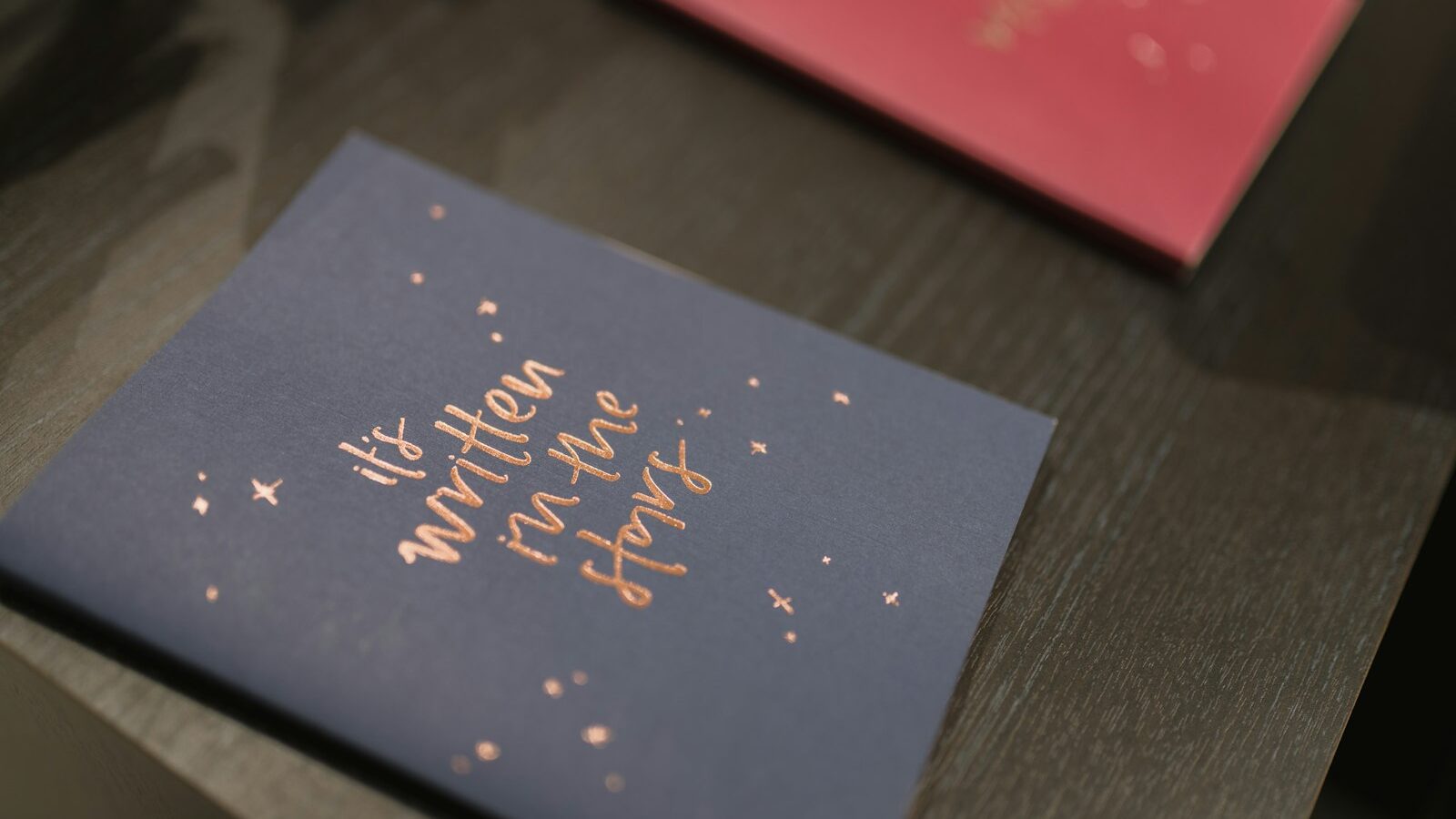
In a world of typed messages and autocorrect, there is something grounding about slowing down to form beautiful letters by hand. Calligraphy workshops in Singapore have quietly become one of the most popular ways to unwind and pick up a skill at the same time. Over a single relaxed session you learn how the pen or brush moves, practise the basic strokes that every letter is built from, and finish by writing a name, a quote, or a little card in your own elegant hand. It is calming, screen free, and genuinely useful for cards, gifts, and celebrations.
This guide covers what a class involves, what you will make, how beginner friendly it is, who it suits, and how to choose a studio, keeping the specifics general so you know what to look for.
What to Expect in a Session
Most beginner sessions run around two to three hours in a calm studio, usually in a small group seated around a table with materials laid out for you. After a short introduction, you spend the heart of the class on drills and then a project.
The core idea you will learn is that every letter is built from a handful of basic strokes, thin upstrokes with light pressure and thick downstrokes with more pressure. You will practise these repeatedly on guideline sheets before joining them into letters and words. Depending on the style, you might work with a pointed dip pen and ink, a brush pen, or a broad edged pen, and the instructor demonstrates the grip, angle, and rhythm as you go. By the end you usually complete a small finished piece, such as a quote card or a name, to take home.
The repetition is the point. Those looping drills are oddly meditative, and most people are surprised how quickly their shaky first lines steady into something graceful. There is no need to rush, and mistakes are simply part of learning the muscle memory.
What You Will Make and the Styles on Offer
Classes tend to focus on one style at a time, so it helps to know the main options before you book.
| Style | What it looks like | Tools used |
|---|---|---|
| Modern calligraphy | Free, bouncy, personal script | Pointed dip pen and ink |
| Brush lettering | Bold, expressive strokes with big contrast | Brush pens |
| Traditional calligraphy | Classic, structured scripts like copperplate | Pointed or broad edged pen |
| Hand lettering | Drawn and illustrated letters, not cursive | Pens and markers |
Common takeaways from a beginner session include a practice sheet you can keep referring to, a finished quote or name card, and sometimes a small kit or the confidence to buy your own basic tools. Because the lettering is in your own hand, cards and gift tags you make afterwards feel far more personal than anything printed.
Skill Level and Who It Suits
You need no artistic background and, reassuringly, no naturally neat handwriting. Calligraphy is a learned skill built on technique, not talent, and beginner classes assume you are starting from scratch. Left handers are welcome too, and good instructors share adjustments to make the strokes comfortable.
Calm, indoors, and air conditioned, these classes are a natural fit for Singapore’s weather and suit many occasions:
- Date activity: quiet, creative, and side by side, with cards you can keep
- Team bonding: low pressure and screen free, a refreshing change from the usual
- Solo unwind: a meditative hobby that genuinely reduces stress
- Gifting: a voucher lets someone pick up a skill they can use for years
Couples enjoy the gentle, focused atmosphere as an alternative to a noisy night out. Groups and colleagues find it a soothing team activity. And for anyone who loves stationery or plans to write their own wedding place cards one day, it is a practical skill with real staying power.
How to Choose a Studio
Several studios, cafes, and creative spaces around Singapore run lettering classes, and they vary by style and depth, so compare a few. Decide first which style appeals to you, since modern calligraphy, brush lettering, and traditional scripts feel quite different in the hand. Check whether tools are provided or included in a take home kit, as this affects both the price and whether you can keep practising afterwards. Look at class size for how much individual feedback you will get, and read recent reviews for notes on how encouraging and clear the instructor is.
Access is easy to plan around. Studios sit across many neighbourhoods, and most are a short walk or bus ride from an MRT station, which is welcome in our heat. Because everything happens indoors in comfortable air conditioning, a lettering class is a reliable rainy day plan and a peaceful break from the sun.
On budget, beginner calligraphy classes are often one of the more affordable creative workshops, though those that include a full pen and ink kit sit a little higher. Prices, session lengths, styles, and what is included change over time, so always confirm the current details on the studio’s official channels before you book.
A few practical tips: keep the practice sheets you make and repeat the drills at home, since ten minutes a day builds the muscle memory faster than any single class. Bring a little patience, go easy on yourself in the first hour, and enjoy watching your letters steady and bloom over the session.
It also helps to decide roughly which style draws you in before booking, whether that is flowing modern brush lettering, classic pointed pen scripts, or bold faux calligraphy you can do with any pen, since each suits a different pace and personality. Ask the studio whether pens, nibs, and ink are provided or whether you should bring your own, and check if they sell starter kits so you can keep practising once the class ends. If you are left handed, mention it when you sign up, as many instructors have simple adjustments and tools that make the strokes far more comfortable, so you are set up to keep improving long after the workshop is over.
Explore more
If a calm, hands on afternoon is what you are after, Singapore has other gentle maker sessions to try. For another meditative craft with a keepsake at the end, look at leather-crafting workshops in Singapore, or design something you can wear as a scent at one of the city’s perfume-making workshops in Singapore. Want to make something wearable instead? The jewellery-making workshops in Singapore pair beautifully with a love of fine detail.