
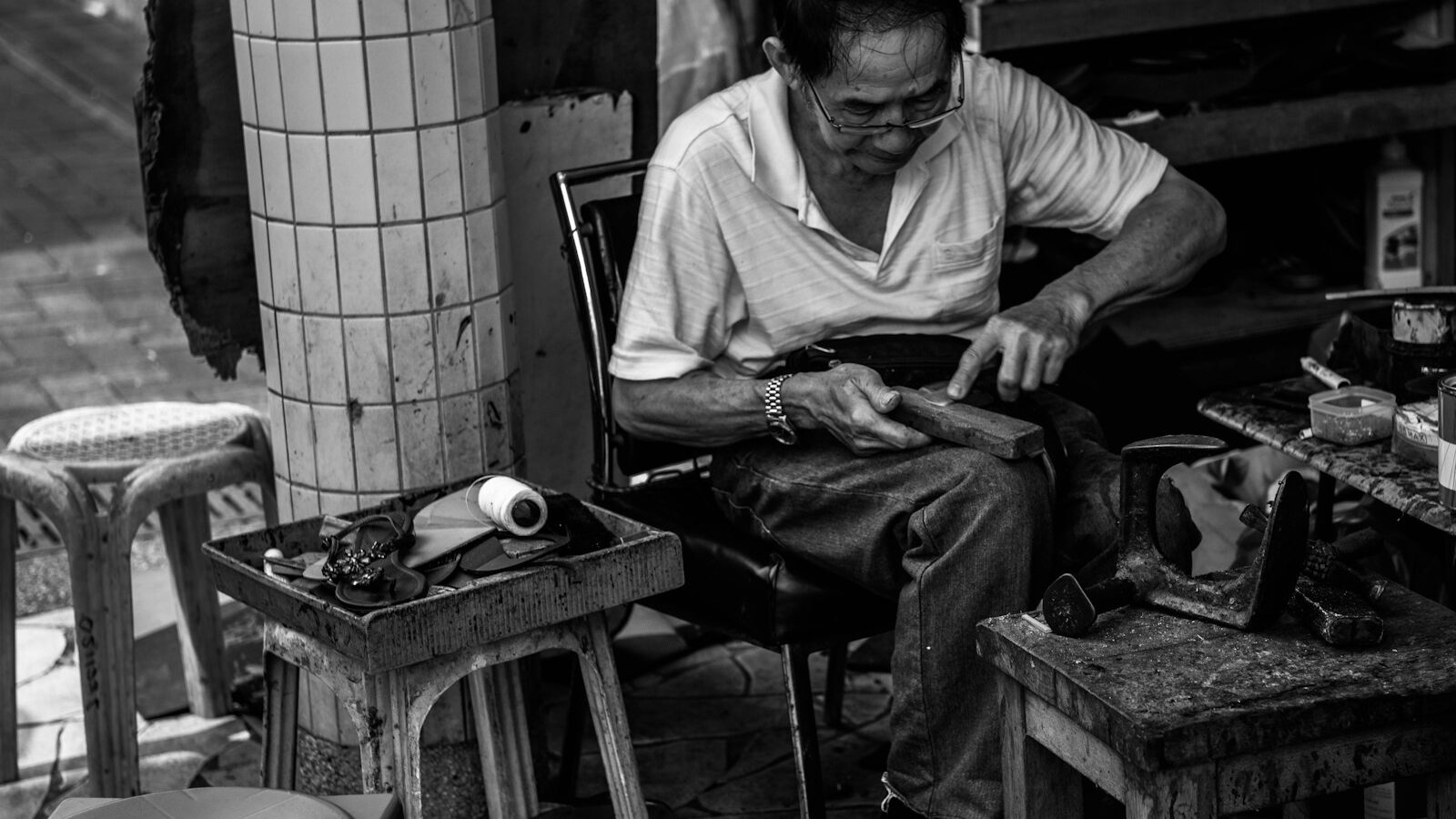
There is a deep, quiet satisfaction in making something you will actually carry every day. Leather crafting workshops in Singapore tap right into that feeling. Over a single relaxed session you learn to cut, punch, stitch, and finish a real piece of leather into a wallet, card holder, keychain, or small pouch, then walk out using it that same afternoon. It is slow, tactile, and surprisingly meditative, the sort of activity that pulls you off your phone and into your hands.
This guide walks through what a class is like, what you will make, how beginner friendly it is, who it suits, and how to pick a studio, all while keeping details general so you know what questions to ask before you book.
What to Expect in a Session
A typical beginner class runs a few hours in a calm, well lit studio, often with a small group around a shared worktable. You will usually start by choosing your leather colour and, sometimes, the design or size of your project. The instructor then guides you through the core steps of the craft.
Expect to work through cutting the leather to shape, marking and punching evenly spaced stitching holes, saddle stitching by hand with a needle at each end of the thread, and finishing the raw edges so they look smooth and professional. Along the way you might burnish edges, set rivets or snaps, and stamp your initials if the studio offers it. Nothing here requires strength, just patience and a steady hand, and the instructor is there to demonstrate and rescue any wobbly stitches.
The pace is gentle by design. You are not racing anyone, and the repetitive stitching rhythm is a big part of why people find these sessions so calming. By the end, you have a finished item and, more importantly, the basic skills to understand how good leather goods are actually built.
What You Will Make
Beginner workshops centre on small, genuinely useful items you can complete in one sitting. Common first projects include:
- A card holder or slim cardholder wallet
- A bifold or minimalist wallet
- A keychain or key fob
- A coin pouch or small zip pouch
- A luggage tag or simple strap accessory
Because you choose the leather colour and thread, and often stamp a name or initials, the finished piece feels personal rather than mass produced. That customisation is exactly what makes these workshops such a strong choice for gifts, since a hand stitched wallet with someone’s initials carries far more meaning than something off a shelf.
Skill Level and Who It Suits
You need zero experience to start. These classes are built for absolute beginners, and the instructor breaks every step down and keeps a close eye on the group. The main requirements are a little patience and the willingness to slow down, which is part of the appeal.
Leather craft fits a wide range of plans, and it holds up especially well against Singapore’s weather since it is entirely indoors and air conditioned.
| Occasion | Why leather craft works | Tip |
|---|---|---|
| Date afternoon | Calm, side by side, and you both leave with something you made | Pick matching wallets in different colours |
| Team bonding | Shared table, low pressure, everyone finishes a keepsake | Ask about private group bookings |
| Solo unwind | Meditative stitching that quiets a busy mind | Look for progression classes to go deeper |
| Gift making | Personalise with initials for a heartfelt present | Some studios offer gift vouchers too |
Couples love it as a slower alternative to the usual dinner and movie. Groups of friends and colleagues enjoy the relaxed, chatty atmosphere. And solo crafters often come back for intermediate classes to attempt belts, bags, or watch straps.
How to Choose a Studio
Several leather studios and craft spaces around the island run beginner friendly sessions, and they differ in style, so compare a few before committing. Look at what project the class actually produces, since a keychain and a full bifold are very different commitments of time and skill. Check the class size, as smaller groups mean more one to one attention. Read recent reviews for comments on how patient and hands on the instructor is, and whether tools and materials are all provided (they usually are for beginner classes).
Location and access matter too. Studios are scattered across different neighbourhoods, and many sit within walking distance of an MRT station or a short bus ride away, which is welcome given our heat and unpredictable rain. Since everything happens indoors in comfortable air conditioning, a leather workshop is a reliable rainy day plan and a good escape from the midday sun.
On budget, treat a beginner leather class as a mid tier treat. The price reflects quality hide, thread, hardware, and expert guidance, and you take home a real, usable item that would cost a fair bit in a shop. Session lengths, project options, and prices change over time, so always confirm the current details and what is included on the studio’s official page before you book.
A few practical tips: wear something you do not mind getting a little dye or wax on, keep your nails trimmed for easier stitching, and go in expecting to enjoy the slow rhythm rather than rush the finish. The stitches you take your time over are the ones that look best.
Making the Most of It
If you find you love it, ask the instructor about their intermediate and advanced classes. Many studios build a natural ladder from small accessories up to tote bags, camera straps, and bespoke wallets, and some run open studio time where returning students can use the tools and space. Leather is also a craft that rewards gifting, so once you are confident, a personalised card holder makes a thoughtful birthday or festive present that you cannot buy anywhere else.
Explore more
Enjoyed working with your hands? Singapore has plenty of other makers’ sessions to try. For another everyday object you shape yourself, look at jewellery-making workshops in Singapore, or bring the heat with a session at one of the city’s glass-blowing workshops in Singapore. If you would rather craft something you can wear as a scent, the perfume-making workshops in Singapore make a fragrant, relaxing follow up.