
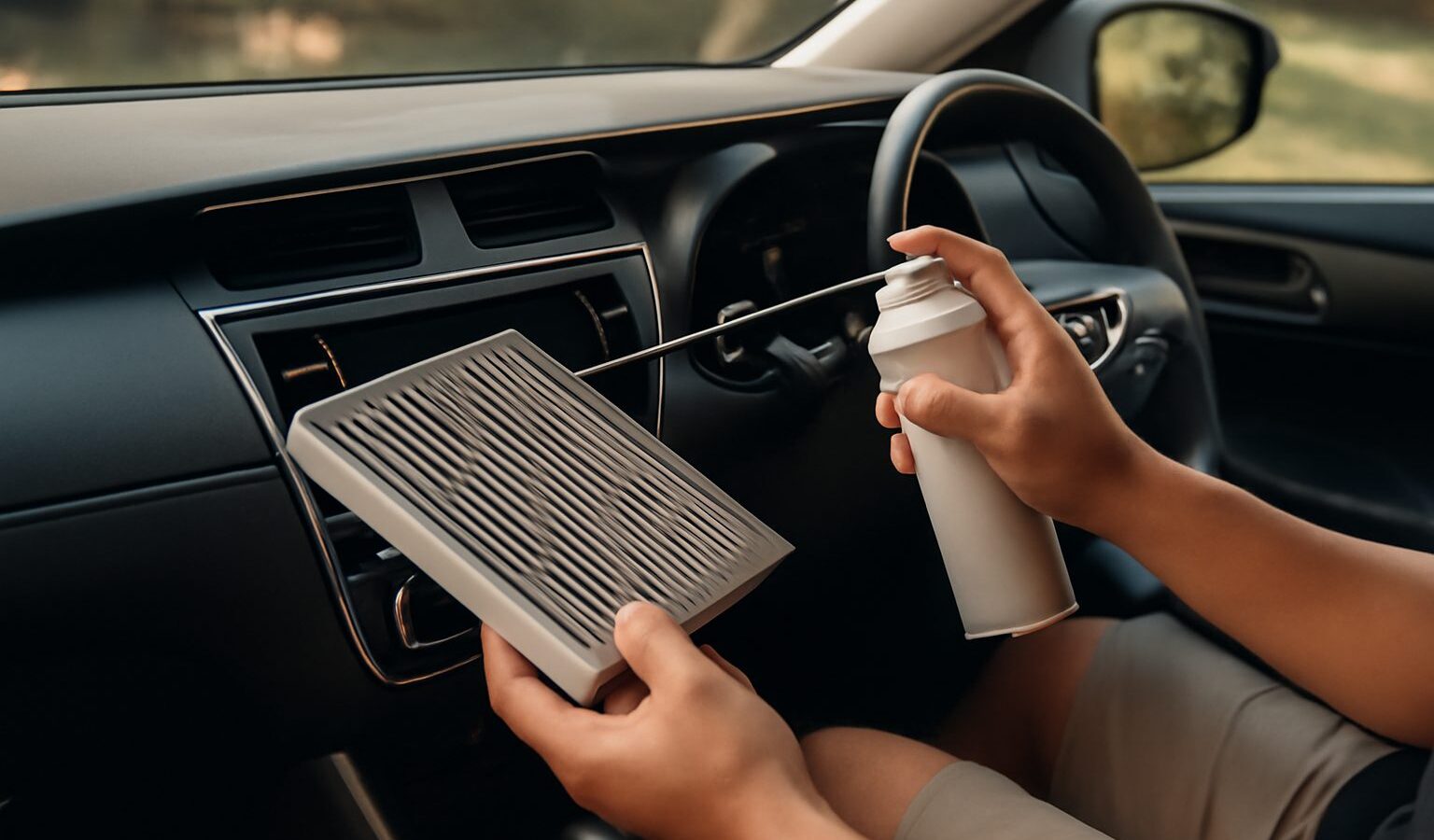
In Singapore’s heat and humidity, your car air conditioning is not a luxury. It is what keeps you alert on a jam-packed expressway, stops the windscreen fogging up during a downpour, and makes a midday drive bearable. Yet the aircon is one of the most neglected systems in the car, quietly working overtime until the day it blows warm air in the middle of a traffic jam. This guide explains why the system matters so much in the tropics, how to spot the early warning signs, what a workshop actually does when it services the system, and the small habits that keep the cold air flowing between visits.
None of this is professional mechanical advice. It is general information to help you understand your car and have a sensible conversation with a qualified workshop.
Why Aircon Works So Hard in the Tropics
A car air conditioning system does more than cool the cabin. It removes moisture from the air, which is why the demister clears a foggy windscreen so quickly. In our climate the system rarely gets a rest. Ambient temperatures sit high all year, cabins parked in the open bake to oven-like levels, and the humidity means the aircon is constantly wringing water out of the air. That water drains out under the car, which is the harmless puddle you sometimes see after parking.
All of this puts steady strain on the compressor, the fans, and the refrigerant that carries heat out of the cabin. Components that might last for years in a temperate country work far harder here. That is not a reason to worry, but it is a good reason to treat aircon servicing as routine maintenance rather than something you only think about when it fails.
Signs Your Car Air Conditioning Needs Attention
The system usually warns you before it gives up completely. Watch and listen for these signs:
- Weak or slow cooling. The air still blows, but it takes far longer to get cold, or never quite reaches the chill it used to.
- A musty or sour smell when you first switch it on, which points to mould and bacteria growing on a damp evaporator or a clogged filter.
- Reduced airflow from the vents even at high fan speed, often a sign of a dirty cabin air filter.
- Unusual noises such as rattling, squealing, or a loud click when the aircon engages, which can indicate the compressor or its clutch.
- Fogging that will not clear, or windows that mist up more than they used to.
- Water inside the cabin, typically a wet passenger footwell, which suggests a blocked drain rather than a puddle under the car.
One or two of these on their own are not an emergency, but they are your cue to book a check before a small issue becomes an expensive one. Cooling that fades gradually often means refrigerant is low, and low refrigerant frequently means there is a slow leak somewhere that a workshop should trace.
What a Workshop Service Involves
When you take the car to a qualified or LTA-authorised workshop for aircon servicing, a typical visit covers a few standard jobs. Understanding them helps you know what you are paying for.
- Inspection and diagnosis. The technician checks the airflow, the temperature at the vents, and listens to the compressor. They look for obvious leaks and worn belts.
- Cabin air filter check or replacement. This filter traps dust, pollen, and grime before air enters the cabin. In our dusty, humid conditions it clogs faster than the manual’s ideal interval, so it is often the cheapest fix for weak airflow and stale smells.
- Cleaning the evaporator and vents. A chemical clean or an anti-bacterial treatment tackles the mould and bacteria that cause the sour smell and can help people who are sensitive to it.
- Checking and topping up refrigerant, or a regas. Refrigerant is the gas that carries heat out of the cabin. If levels are low the system cannot cool properly. A regas refills it, but a good workshop first checks why it dropped, since refrigerant does not get “used up” and a falling level usually means a leak.
- Checking the compressor, condenser, and drain. The condenser sits at the front of the car and gets clogged with road grime and leaves; the drain can block and flood the footwell.
Here is a simple way to see which tasks you can reasonably handle yourself and which belong in a workshop.
| Task | DIY or workshop | Why |
|---|---|---|
| Wiping vents and dashboard grilles | DIY | Surface cleaning only, no tools or gas needed |
| Replacing an easy-access cabin air filter | DIY or workshop | Some cars make it simple; others need panels removed |
| Anti-bacterial evaporator clean | Workshop | Reaches parts you cannot access safely |
| Regas and refrigerant work | Workshop | Requires licensed handling and leak testing |
| Compressor or condenser repair | Workshop | Safety-critical, specialised tools and pressure |
Prices vary widely between workshops and by what the car needs, so get a clear quote before agreeing to any work, and ask the technician to explain the cause rather than just topping up the gas.
Simple Vent and Filter Care Between Services
You do not need to be a mechanic to slow down problems and keep the air fresh. A few habits go a long way:
- Run the aircon on fresh air for the last few minutes of a drive, with the cooling off or turned down, to help dry out the evaporator and reduce the damp that feeds mould.
- Use recirculation wisely. It cools faster and is useful in heavy traffic or haze, but leaving it on constantly traps moisture and stale air inside. Switch back to fresh air on open roads.
- Keep the vents and grilles clean. Wipe them with a soft cloth or a soft brush, and a little cabin-safe cleaner clears the grime where smells collect.
- Clear the windscreen cowl at the base of the windscreen of leaves and debris, since that is where blocked drains and blowers often start.
- Check the cabin air filter if your car has an easy-access one behind the glovebox. Many are a simple clip-out job, and a fresh filter transforms airflow.
- Park in the shade or crack the windows slightly where it is safe and legal to do so, so the cabin is not starting from a furnace every time.
If you ever smell burning, see the temperature gauge climb when the aircon is on, or notice the engine straining, switch the system off and have it looked at. Those are signs to stop guessing and let a professional diagnose it.
Building Aircon Into Your Routine
The easiest approach is to fold aircon care into servicing you already do. When the car goes in for its regular maintenance, ask the workshop to check the aircon at the same time, glance at the cabin air filter, and confirm the drain is clear. Between visits, the fresh-air habit and the occasional vent wipe cost nothing and prevent most smells.
Treat a sudden loss of cooling, a persistent musty smell, or water in the footwell as reasons to book a proper check rather than waiting. Car air conditioning that is looked after quietly does its job for years; ignored, it fails on the hottest, most inconvenient day. A little attention keeps you cool, keeps the windscreen clear in the rain, and keeps you safe and alert on the road.
Related across Sky Media: What to Wear for Air-Conditioned Offices