
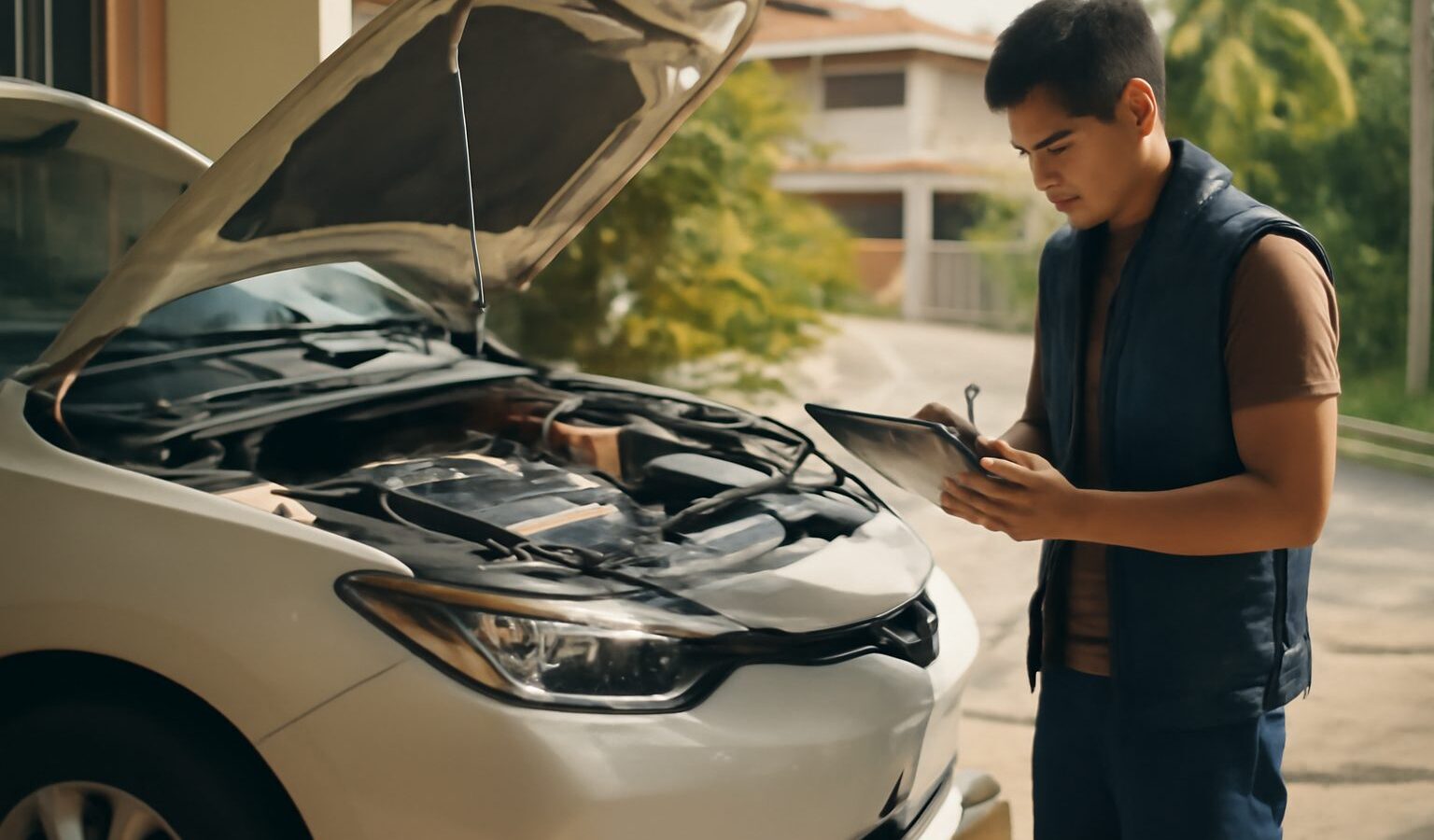
A car is one of the most expensive things most people in Singapore will own, and the quickest way to make that investment worse is to skip maintenance. Regular car servicing in Singapore keeps your vehicle safe, protects its resale value, keeps you on the right side of warranty terms, and heads off the big repair bills that come from small problems left to grow. The good news is that staying on top of it is mostly about routine: knowing your intervals, choosing a workshop you trust, and paying attention to the parts of the car that our hot, humid, stop-start driving is hardest on. This guide walks through how servicing works here, what to watch, and how to keep good records so the money you spend actually comes back to you.
Follow the Manufacturer’s Service Schedule
The single most important rule is to service your car according to the manufacturer’s recommended schedule, not according to guesswork or whatever a workshop upsells on the day. Every car comes with a service booklet or a digital schedule that sets out what should be done and when, usually expressed as a distance interval, a time interval, or whichever comes first.
- Distance-based intervals trigger a service after a set number of kilometres. This is the one most drivers watch.
- Time-based intervals matter more than people realise in Singapore. Because many cars here do relatively low annual mileage, the calendar interval often comes up before the distance one. Oil and fluids degrade with time and heat, not just with distance, so do not stretch a service just because the odometer is low.
- Whichever comes first is the rule to follow. If your car has only done a modest mileage but a year has passed, it is due.
Sticking to the schedule is also what keeps a manufacturer warranty valid. Miss services or let them drift and you risk a claim being questioned, which can turn a covered repair into an out-of-pocket one.
Authorised Agent or Independent Workshop
The other big decision is where to service. An authorised agent (the official distributor’s service centre for your brand) and a good independent workshop can both keep your car healthy. They suit different situations.
An authorised agent uses brand-trained technicians, manufacturer parts and the correct diagnostic equipment, and servicing there keeps warranty questions simple. The trade-off is usually higher labour rates. An independent workshop is generally more affordable and can be more flexible and personal, and a reputable one will still use quality parts. The main things to check are the workshop’s reputation, whether the parts used protect any remaining warranty, and whether they keep proper records. Our guide to choosing a car workshop in Singapore goes deeper on how to vet one.
A common approach is to use the authorised agent while the car is under warranty, then move to a trusted independent workshop once it is out of warranty and running costs matter more. Note that under consumer protection rules you generally do not have to service exclusively at the agent to keep a warranty, as long as servicing is done properly with suitable parts, but always read your specific warranty terms.
| Factor | Authorised agent | Independent workshop |
|---|---|---|
| Cost | Higher labour and parts | Generally more affordable |
| Parts | Manufacturer/original parts | Original or quality equivalents |
| Warranty comfort | Simplest for warranty claims | Fine if parts and records are proper |
| Expertise | Brand-trained specialists | Broad experience, often multi-brand |
| Best suited to | Newer cars under warranty | Older, out-of-warranty cars |
What the Tropics Do to Your Car
Singapore’s climate is tough on vehicles in specific ways, and a good maintenance routine focuses on the parts that heat, humidity and short trips wear fastest.
- Air-conditioning works hard year-round. Keep the cabin filter clean and have the system checked if cooling weakens or you notice odours, which often point to a mouldy evaporator.
- Battery life is shortened by constant heat. Car batteries here often need replacing sooner than in cooler climates, and short journeys that never fully recharge the battery make it worse. A sluggish start is your early warning.
- Tyres degrade faster in the heat and are safety-critical in our frequent heavy rain. Check tread depth and pressure regularly, and watch for uneven wear that signals alignment issues.
- Brakes take a beating in stop-start traffic. Listen for squealing or grinding and note any change in pedal feel.
- Fluids, including engine oil, coolant, brake fluid and transmission fluid, break down with heat and time. Topping up and changing them on schedule is cheap insurance against expensive failures.
Keep Records for Resale and Warranty
Every service you do is worth more if you can prove it happened. A complete, stamped service history is one of the strongest selling points when you eventually sell or trade in the car, because buyers and dealers pay more for a vehicle they can see has been looked after. It is also the evidence you need if you ever make a warranty claim.
Keep the service booklet stamped, hold on to invoices that list the work done and the parts used, and note the date and mileage of each visit. If you switch between an agent and an independent workshop over the years, a tidy folder or a simple digital record ties the whole history together. When it comes time to sell, that paper trail turns “trust me, it was serviced” into a documented fact.
Spotting Problems Early
Most expensive breakdowns give warning signs first. Learning to notice them turns a large repair into a small one.
- Dashboard warning lights should never be ignored, especially the engine, oil, battery and brake lights. Get them read rather than clearing them.
- New noises such as squealing brakes, a whining belt, knocking or a droning wheel bearing all point to specific parts wearing out.
- Leaks or stains under a parked car usually mean oil, coolant or brake fluid escaping.
- Changes in feel like a soft brake pedal, a pulling steering wheel, vibration at speed or rough gear changes are all worth a check.
- Smells, whether burning, sweet coolant or a musty aircon, each tell their own story.
When in doubt, get it looked at sooner rather than later. A worn part caught early is a cheap fix; the same part left to fail can take others with it.
Servicing Before COE Renewal or Sale
There are two moments when a thorough service really pays off. The first is before you decide whether to renew your COE. A full inspection at that point tells you the true condition of the car and helps you judge whether it is worth pouring another decade of ownership into an ageing vehicle or better to let it go. The second is before you sell. A car that has just been serviced, with fresh fluids and any small faults sorted, presents better, is more likely to pass inspection cleanly, and gives buyers confidence, which supports your asking price. Either way, a service before a big decision is money well spent because it replaces guesswork with facts.
Explore more
Ready to find a garage you can rely on? Start with choosing a car workshop in Singapore. And since a well-maintained car sails through its checks, see what to expect in our guide to car inspection and VICOM in Singapore.