
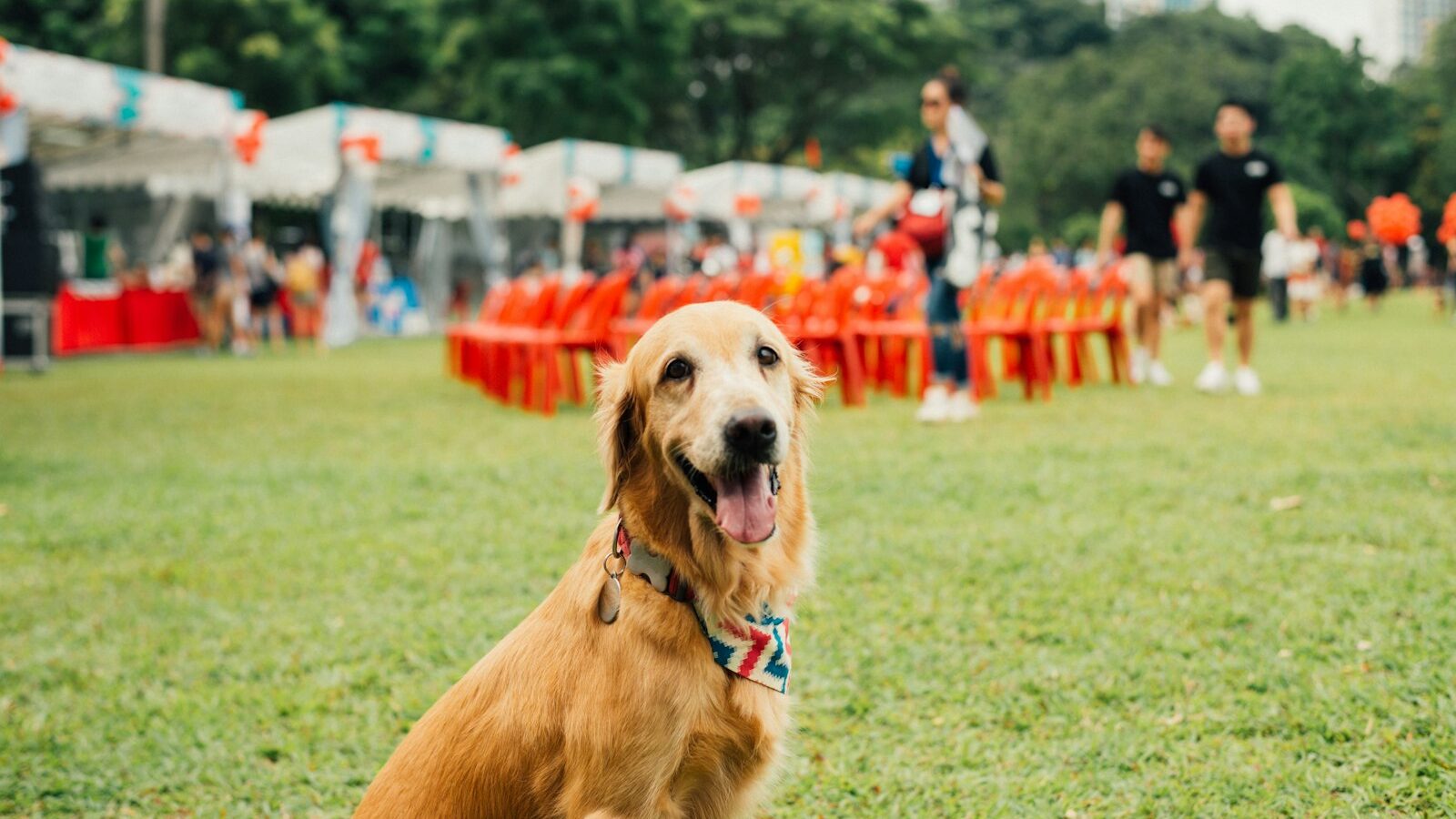
The Singapore Special dog is our island’s own mixed-breed treasure, a local streetwise mongrel with a short coat, upright ears, a curved tail, and a heart of gold. Once seen mainly as strays, these dogs are now celebrated adoptees in homes across the country. If you are drawn to a Singapore Special dog, this guide covers what makes them wonderful, what adoption involves, the local rules you should know, and how to give a rescue the settled, loving life it deserves. As with any dog, every individual is different, so treat this as a starting point.
What is a Singapore Special?
A Singapore Special is not a formal breed but a term of affection for local free-roaming and rescued dogs, many descended from generations of village and street dogs. Because they are mixed, they come in a range of sizes, colours, and temperaments, though a lean, medium build, a short low-maintenance coat, and a smart, adaptable nature are common. Their mixed heritage often means fewer of the exaggerated features that cause health problems in some pedigree breeds, though this is a general tendency, not a guarantee.
Many Singapore Specials are gentle, loyal, and deeply bonded to their people once they trust you. Some are naturally confident, while others, especially those with a hard start on the streets, can be shy or wary at first and blossom with patience.
Adoption, Project ADORE, and HDB rules
Most Singapore Specials come into homes through local shelters and rescue groups rather than breeders, which is exactly as it should be. One thing to understand early is housing. Historically, larger local mixed breeds were not allowed in HDB flats, but Project ADORE (ADOption and Rehoming of Dogs) created a scheme allowing HDB households to adopt approved, sterilised, microchipped local dogs within certain conditions, including a size guideline. Rules and schemes can change, so always check the current AVS and HDB requirements, and confirm eligibility with the rehoming group before you fall in love with a particular dog.
Whatever the housing type, dogs must be licensed and microchipped, sterilisation is encouraged and usually done before rehoming, and generally only one dog is allowed per HDB flat. If you are weighing up the route to ownership, adopting vs buying a pet in Singapore and fostering a pet in Singapore are both worth reading, since fostering is a lovely way to help while you decide.
Settling a rescue in
A newly adopted Singapore Special, particularly an adult that once roamed, may need time and space to decompress. Give a quiet, predictable routine, a cosy resting spot, and let the dog approach you rather than crowding it. Reward-based training builds confidence and a shared language. Some rescues have never lived indoors, so house training, lead walking, and getting used to lifts, traffic, and strangers all take patience. If your dog seems fearful or reactive on walks, our guide to helping a reactive or fearful dog in Singapore offers gentle, practical steps.
Short daily walks in the cooler morning or evening, sniffing time, and play keep body and mind healthy. Their short coats handle our climate reasonably well, but heat and humidity still tire dogs quickly, so carry water and rest in shade.
Health and everyday care
Being mixed does not make a dog immune to illness, so keep up with routine vaccinations, parasite prevention, and annual check-ups just as you would for any pet. Reputable rescues usually vaccinate, deworm, sterilise, and microchip before rehoming, and can tell you about any known conditions. A short coat means grooming is simple, mostly regular brushing, nail trims, ear checks, and the occasional bath.
Everything here is general information, not veterinary advice. See a licensed vet for any diagnosis, treatment, or medication, never give human medicines to a dog, and head to an emergency or 24-hour vet for urgent signs such as collapse, difficulty breathing, a swollen belly, or repeated vomiting. If you have not chosen a clinic yet, choosing a vet in Singapore can help you find one you trust.
A caring wrap-up
Adopting a Singapore Special is one of the most meaningful things a dog lover can do here, giving a local rescue a second chance and gaining a devoted companion in return. Be realistic about the time, cost, and commitment involved, and about the patience some rescues need to feel safe. Do that, keep up with your vet, and you will discover why so many owners say there is nothing quite as special as a Singapore Special.