
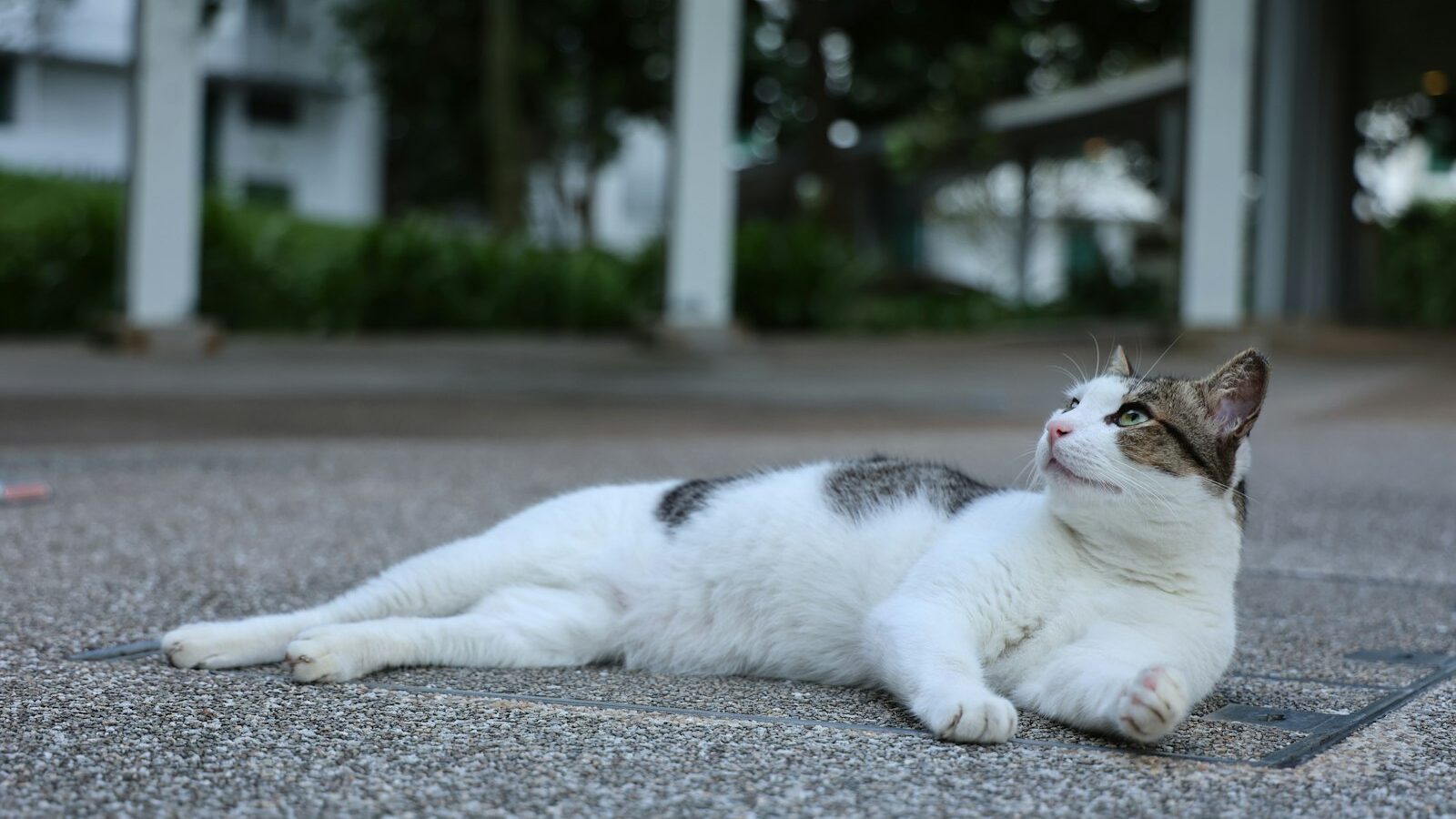
Walk through almost any HDB estate at dusk and you will meet them: the tabby dozing on a void-deck bench, the ginger who trots over hoping for dinner, the shy tortoiseshell watching from under a parked car. Community cats singapore residents live alongside are part of the fabric of neighbourhood life, and how we treat them says a lot about us. Most were never truly wild; they are the descendants of abandoned or unsterilised pets, and they depend on the goodwill of the people around them. This guide explains what community cats are, how to feed and help them responsibly, and how newcomers can get involved without causing friction with neighbours.
What community cats are, and why they matter
A community cat is a free-roaming cat that lives in a shared outdoor space, an estate, a carpark, a row of shophouses, rather than in one person’s home. Some are friendly and semi-tame; others keep their distance. They are not vermin, and they are not “nobody’s cats”. In practice they are looked after by informal networks of residents and volunteer caregivers who feed them, watch their health, and arrange sterilisation.
Community cats earn their place. They help keep rodent numbers down, they give lonely residents a gentle daily connection, and a stable, sterilised colony is far quieter and healthier than an unmanaged one. The goal in Singapore is not to remove cats but to manage the population humanely so numbers stay stable and welfare improves over time. When neighbours, caregivers and Town Councils work together, community cats and people share space with very little conflict.
Feeding responsibly: the part that keeps the peace
Feeding is where good intentions most often go wrong. A kind person leaving food can accidentally trigger complaints, pests and tension, which then rebounds on the cats. Responsible community feeding is quiet, clean and considerate. Get this right and you protect both the cats and the goodwill of your neighbours.
- Feed at fixed, sensible times, ideally early morning or evening, rather than leaving food out all day.
- Put food on a plate or mat, never scattered on the ground, and take everything away once the cats have eaten.
- Clean up completely: no leftover food, no wet patches, no litter or plastic left behind.
- Choose spots away from doorways, lift lobbies, play areas and where people eat, so you are not blocking or troubling anyone.
- Keep portions modest so food does not rot and attract rats, ants or crows.
- Bring water, especially in the tropical heat, and be discreet and low-key about the whole routine.
The golden rule is simple: leave the area cleaner than you found it. Feeding is a privilege that rests on being considerate. A caregiver who cleans up and keeps a low profile rarely draws complaints, while messy feeding is the fastest way to turn neighbours against the cats you are trying to help.
Sterilisation and TNRM: the humane way to manage numbers
The backbone of community-cat welfare in Singapore is TNRM, which stands for Trap-Neuter-Return-Manage. A cat is humanely trapped, sterilised by a vet, ear-tipped so it can be recognised as done, then returned to its home ground where caregivers keep an eye on it. An ear-tipped cat, a small clean notch on one ear, is the sign of a sterilised, managed cat, so there is no need to worry that it is lost or needs “rescuing”.
Sterilisation is the single most effective, humane tool we have. It stops the endless cycle of kittens, reduces fighting, spraying and yowling, and lets a colony shrink naturally over time instead of being culled. Welfare groups and networks help caregivers arrange and often subsidise sterilisation, coordinate trapping, and offer advice for first-timers. If you notice an unsterilised cat, the responsible move is not to feed and forget, but to connect with a local welfare group or caregiver so the cat can be sterilised and added to the managed colony.
Working with your Town Council, caregivers and neighbours
Community cats live on shared ground, so caring for them is a community effort, not a solo mission. Your Town Council manages the common areas of HDB estates and receives feedback about animals, so a working relationship with them helps enormously. Many estates have registered caregivers who liaise with the Town Council, and joining that network is far more effective than acting alone.
- Find the existing caregivers in your block or estate before you start; they often already have a feeding routine and know each cat.
- If a neighbour raises a concern, listen calmly, address the specific issue, such as mess or a feeding spot, and adjust rather than getting defensive.
- Keep the Town Council informed, and support mediation over cats being removed; managed colonies are the outcome everyone should want.
- Report sightings of injured, sick or heavily pregnant cats to a caregiver or welfare group so they can step in.
Most complaints are really about mess, noise or fear, not the cats themselves. Solve the practical problem and the objection usually fades.
Where you fit in: dos, and what to avoid
Newcomers often want to help but are unsure how. This table sets out common situations and the responsible response.
| Situation | Do this | Avoid this |
|---|---|---|
| You want to start feeding | Link up with existing caregivers and follow the estate’s routine | Feeding alone, at random times, and leaving food out |
| You spot an unsterilised cat | Contact a welfare group or caregiver to arrange TNRM | Ignoring it, or feeding without addressing sterilisation |
| You see an ear-tipped cat | Recognise it as sterilised and managed; leave it be | Assuming it is lost and trying to “rescue” it |
| A cat looks injured or very sick | Alert a caregiver or welfare group promptly for help | Chasing, grabbing or moving it without guidance |
| You can no longer keep your pet cat | Contact a shelter or rehoming network | Abandoning it outdoors to “join the strays” |
| You witness cruelty to a cat | Report it to AVS with details, and to the police if urgent | Staying silent or confronting the person alone |
Kindness that lasts, and where newcomers can start
Two things sit at the heart of all this. First, never abandon a pet cat. Dumping a house cat outdoors is illegal, cruel and dangerous; the cat is unprepared for street life, and it adds to the very population everyone is working to stabilise. If your circumstances change, reach out to a shelter or rehoming network instead. Second, cruelty is never acceptable. If you see someone hurting a community cat, report it to the Animal & Veterinary Service (AVS) under NParks, with photos, timing and location if you can, and call the police if an animal is in immediate danger.
If you are new to all this, start small and start alongside others. Ask around your block for the resident who already feeds the cats, offer to help clean up or fund a sterilisation, learn to recognise the local cats, and support your Town Council in keeping colonies managed rather than removed. Community-cat care is a shared, patient, neighbourly kindness, and every considerate person who joins in makes the whole estate a little gentler for cats and people alike.
Explore more
Sterilisation is the kindest, most effective help you can give, so read our guide to sterilising your pet in Singapore to understand how it works. If a community cat ever wins your heart and you are ready to commit, see keeping a cat in Singapore for what responsible indoor ownership involves.