
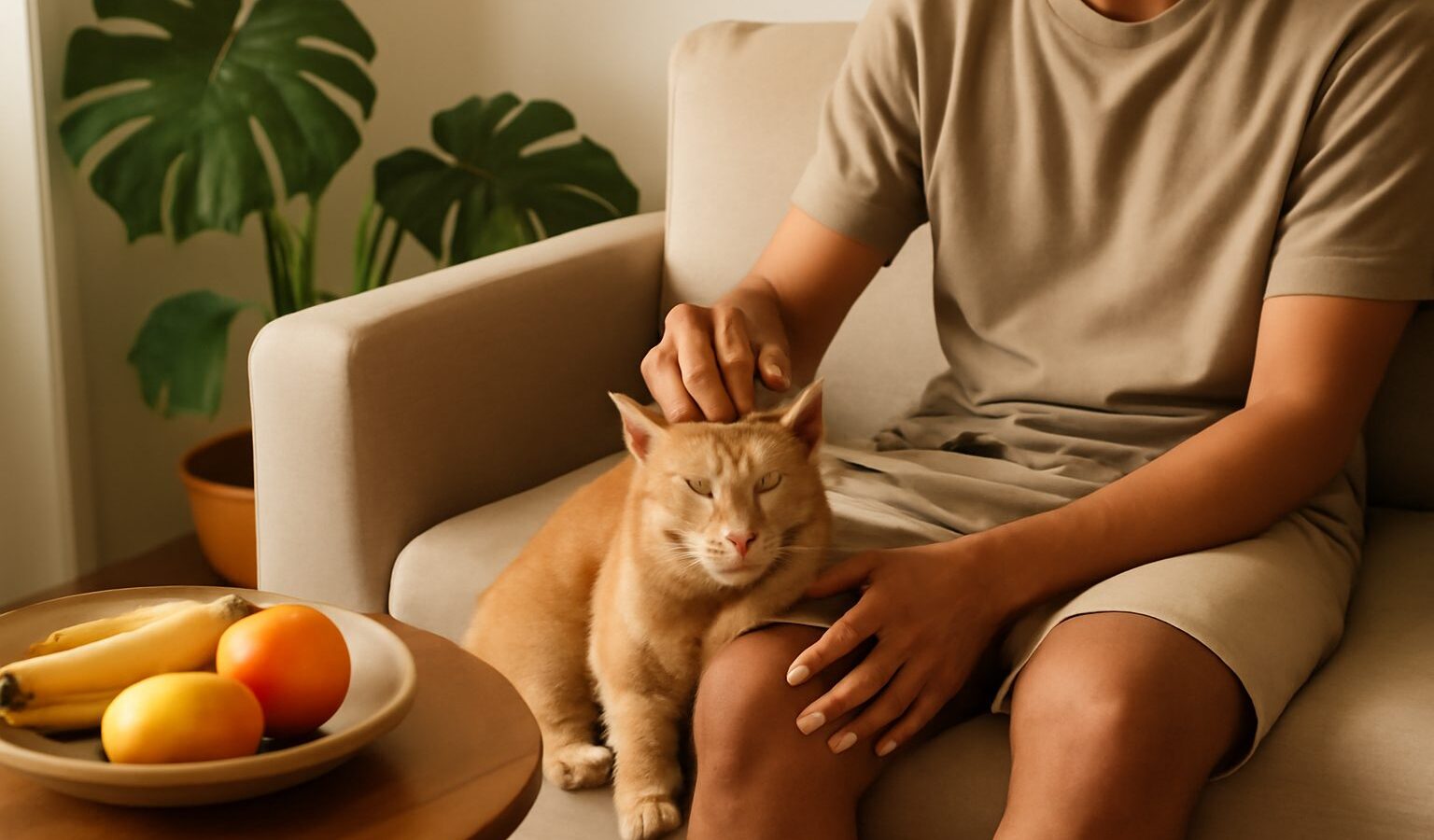
Cats fit Singapore life better than many people expect. They are quiet, they do not need walks, and they are content in an air-conditioned flat while you are at work. But keeping a cat singapore style, in a high-rise home in a hot, humid city, still asks a lot of you. A cat can live to its late teens, so you are signing up for fifteen years or more of feeding, cleaning, vet bills and companionship. This guide walks through what a cat genuinely needs, the changing HDB rules, and the safety steps that matter most when your home is many floors up.
The HDB cat rules are changing, so check the current framework
For years, cats were technically not allowed in HDB flats, even though many households quietly kept them. That has been shifting. Singapore has been moving towards a framework that allows cats in HDB flats under a registration and guidelines scheme, with responsibilities around licensing, microchipping, sterilisation and keeping cats indoors. The direction is clearly towards recognising cats as legitimate HDB pets, provided owners keep them responsibly.
Because this area is being rolled out and refined, do not rely on hearsay or on what a neighbour did years ago. Check the current requirements directly with HDB and with the Animal & Veterinary Service (AVS) under NParks before you commit. In particular, confirm:
- Whether registration or licensing is open and what it involves.
- Any limit on the number of cats per flat.
- Requirements such as microchipping and sterilisation.
- Rules on keeping cats from roaming out of the flat.
Private property owners generally have more leeway, but condominium managements and landlords set their own conditions, so read your tenancy agreement or by-laws. Whatever the setup, the welfare expectations are the same: a registered, sterilised, microchipped indoor cat is the responsible baseline.
High-rise safety comes first: mesh your windows and grilles
This is the single most important thing in this guide. Cats fall from high-rise windows and grilles, and the injuries are often severe or fatal. Vets here see these cases regularly, and they are almost entirely preventable.
Cats are curious and agile, but they misjudge lunges at birds and insects, they doze on narrow ledges, and they slip through gaps that look far too small. A standard HDB window grille has bars wide enough for a cat to squeeze through, and an open casement window is an open door to a fall.
Protect every window and any full-height grille before the cat arrives:
- Fit invisible grille netting or fine cat mesh across windows and balcony railings.
- Cover the gaps in existing metal grilles, since the spacing is designed to stop children, not cats.
- Check for weak points around air-con ledges, bomb shelters and service yards.
- Keep windows either securely meshed or closed, not propped open on a whim.
Do not assume your cat is too sensible to fall. Assume the opposite and remove the opportunity entirely.
Litter, scratching and the daily basics
Cats are clean animals, and most of the work is about giving them the right outlets so they do not improvise on your sofa or floor.
Litter box: the rule of thumb is one box per cat plus one spare, placed somewhere quiet and away from food. Scoop at least once a day and wash the box regularly. In Singapore’s humidity, a covered box can trap odour and moisture, so ventilate the area and change litter often. A cat that suddenly avoids its box, strains, or cries while urinating may have a urinary problem, which is a red flag that needs a vet.
Scratching: scratching is not naughtiness, it is a need. Cats scratch to shed claw sheaths, stretch and mark territory. Give at least one sturdy vertical post tall enough for a full stretch, plus a horizontal option, and place them near where the cat sleeps or enters rooms. Never consider declawing; it is an amputation and is rejected on welfare grounds.
Feeding and water: feed a complete cat food appropriate to your cat’s life stage and keep fresh water available. Cats are prone to drinking too little, so a water fountain or several bowls can help. Ask your vet about the right diet and portions for your individual cat.
Enrichment and welfare in a small flat
An indoor cat is safest, but indoors can be boring, and a bored cat becomes an overweight, stressed or destructive one. Your job is to make a compact flat interesting.
- Add vertical space: shelves, a cat tree or cleared window ledges (meshed) let the cat climb and survey.
- Play daily with wand toys that mimic prey, in short bursts, to burn energy.
- Rotate small toys and use puzzle or slow feeders so meals take effort.
- Give a quiet hiding spot and a warm, draught-free bed away from the aircon blast.
- Keep the coat and skin comfortable in the heat with regular brushing, which also cuts hairballs.
Two cats can keep each other company if introduced properly, but two is also more litter, cost and space, so decide based on your flat and budget, not impulse.
What your cat needs, and how to meet it
| Need | Why it matters | How to meet it in an HDB flat |
|---|---|---|
| Fall protection | Cats fall from windows and grilles, often fatally | Mesh all windows, grilles and balcony railings before the cat arrives |
| Clean toileting | Prevents accidents and flags health issues early | One box per cat plus one spare; scoop daily; watch for straining |
| Scratching outlet | Natural need; protects your furniture | Tall sturdy post plus a horizontal scratcher; never declaw |
| Mental stimulation | Prevents boredom, obesity and stress | Daily wand play, puzzle feeders, vertical shelves, hiding spots |
| Comfort in the heat | Humidity affects coat, hydration and appetite | Fresh water, ventilation, regular brushing, a cool resting spot |
| Health care | Cats hide illness well | Sterilise, microchip, and see a licensed vet for regular checks |
Being a good cat owner over the long run
Responsible ownership is the thread through all of this. Sterilise your cat: it prevents unwanted litters, reduces spraying and roaming urges, and supports the wider effort to control the community-cat population. Microchip so a lost cat can be reunited with you. Never let a pet cat roam the corridors or downstairs, both for its safety and out of consideration for neighbours. And never abandon a cat; if your circumstances change, contact a shelter or rehoming network rather than dumping the responsibility on the community.
A note on health: the guidance here is general information, not veterinary advice. Every cat is different, so consult a licensed vet about vaccinations, parasite control, diet and any worrying signs. Seek urgent veterinary care for a cat that stops eating, struggles to urinate, breathes with difficulty, or has had any fall.
Keep those basics right and a cat rewards you generously: a calm, affectionate housemate that suits Singapore living about as well as any pet can.
Explore more
If you are still setting up your home, read our guide to cat-proofing your home in Singapore for room-by-room safety, and see keeping pets in HDB flats for the wider rules on living with animals in a flat.