
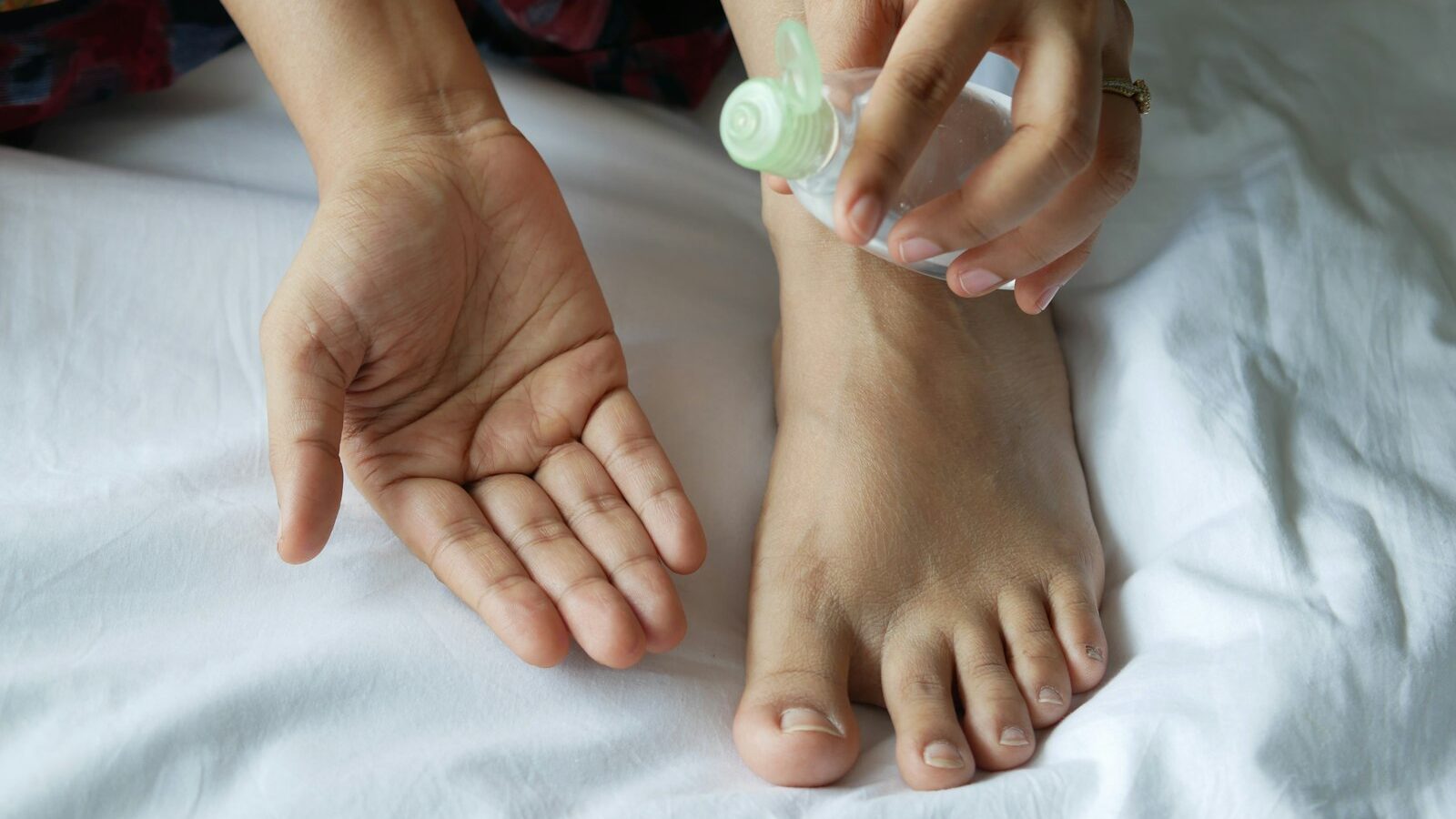
Slipping off your sandals to find rough, flaky, split skin around your heels is a familiar annoyance, and in a city where open footwear is worn all year, it is very common. Softening cracked heels singapore residents deal with usually comes down to consistent moisturising, gentle exfoliation and choosing footwear that supports rather than dries out your feet. With a little regular attention, most people can restore smoother, more comfortable heels. This is general information for everyday foot care, not medical advice, and deep or painful cracks should be seen by a professional.
Why Heels Crack in the First Place
The skin on our heels takes a lot of daily punishment. It carries our body weight, absorbs the impact of every step, and rubs against footwear all day. To cope, the skin there is naturally thicker. When that thickened skin becomes too dry and loses its flexibility, it cannot stretch with the pressure of walking, so it splits and forms cracks, sometimes called heel fissures.
Several everyday things make this more likely. Open-backed shoes, slippers and sandals let the heel spread out and dry with nothing to hold the skin in place, and Singapore’s love of flip-flops and slides plays a real part here. Walking barefoot on hard floors has a similar effect. Long hours standing, hot showers, and skin that is naturally dry all add up. Friction from ill-fitting shoes can thicken the skin further, and once a callus builds up, it is more prone to cracking.
The result is that heel is dry, hard skin that flakes, catches on socks, and can become sore. In milder cases it is mostly a cosmetic and comfort issue. When cracks deepen, though, they can become painful and occasionally bleed, which is a sign to take extra care.
A Simple, Consistent Care Routine
The foundation of smoother heels is moisture and gentle, gradual removal of hardened skin. Consistency matters far more than any single intense treatment.
Moisturise daily, and ideally more than once. After a shower, when the skin is clean and slightly damp, is a good moment to apply a rich foot cream or a thicker emollient and work it into the heels. Applying again before bed, and popping on a pair of cotton socks overnight, helps the moisture sink in while you sleep. Regular, thorough moisturising is the single most effective habit for cracked heels.
Exfoliate gently, not aggressively. Softened, thickened skin can be smoothed down with a foot file or a pumice stone, used lightly on damp or dry skin depending on the tool. The key word is gently. Soak or shower first so the skin is softer, then file a little at a time over several sessions rather than trying to remove everything at once. Taking off too much, too fast, can leave the skin sore and even more vulnerable. Never use a blade or razor to shave hard skin at home, since that risks injury and infection.
Give it time. Rebuilding soft, healthy heel skin happens over weeks of steady care, not in a single evening. Keep the routine going even once your heels improve, because the same daily pressures that caused the problem are still there.
| Step | How to do it | Watch out for |
|---|---|---|
| Moisturise | Apply rich cream after showers and before bed | Skipping days undoes progress |
| Exfoliate | File softened skin gently over several sessions | Removing too much at once |
| Footwear | Choose supportive, cushioned shoes | Constant open-backed slippers |
| Overnight care | Cream plus cotton socks while you sleep | Trapping damp, sweaty feet |
| Hydration | Drink water and avoid very hot showers | Long, scalding soaks that dry skin |
Footwear and Everyday Habits
What you put on your feet has a big influence on your heels. Supportive, well-fitting shoes with cushioning take pressure off the heel and reduce the friction that thickens skin. Backless slippers and thin sandals, while cool and convenient in our weather, let the heel splay and dry out, so it helps to balance them with proper closed or supportive footwear when you can. If you stand or walk a lot for work, cushioned insoles can ease the load.
Rotating your shoes is a small but useful habit. Wearing the same pair every single day means they never fully dry out from sweat, and giving shoes a day to air keeps them fresher and your feet more comfortable. Clean, dry socks made from breathable materials also help, especially in the heat.
Mind the little things too. Avoid very long, hot showers that strip the skin, pat your feet properly dry afterwards, and pay attention to the heels rather than treating them as an afterthought. A quick daily check lets you catch roughness early, before it turns into a deep crack.
When to Seek Professional Help
Most dry, cracked heels respond well to patient home care. There are situations, though, where you should see a doctor or a podiatrist rather than managing it yourself. Deep cracks that are painful, bleeding, or showing signs of infection such as redness, warmth, swelling or discharge need proper attention. If your heels are not improving despite consistent care, a professional can assess what is going on and treat the hardened skin safely.
This is especially important if you have diabetes or any condition that affects circulation or sensation in the feet. In these cases, small foot problems can become serious more quickly, and self-treating cracks or filing hard skin at home is not advisable. Regular professional foot care is a sensible part of looking after your feet.
For everyone else, the recipe is reassuringly simple. Moisturise faithfully, exfoliate gently, wear supportive footwear, rotate your shoes, and give your heels a little daily attention. Over a few weeks of steady care, rough and cracked heels usually become noticeably smoother, softer and far more comfortable to walk on.
Explore more
Foot Care and Reflexology
Body Care and Body Skincare in Singapore
Managing Keratosis Pilaris
Managing Sweat and Body Odour in Singapore