
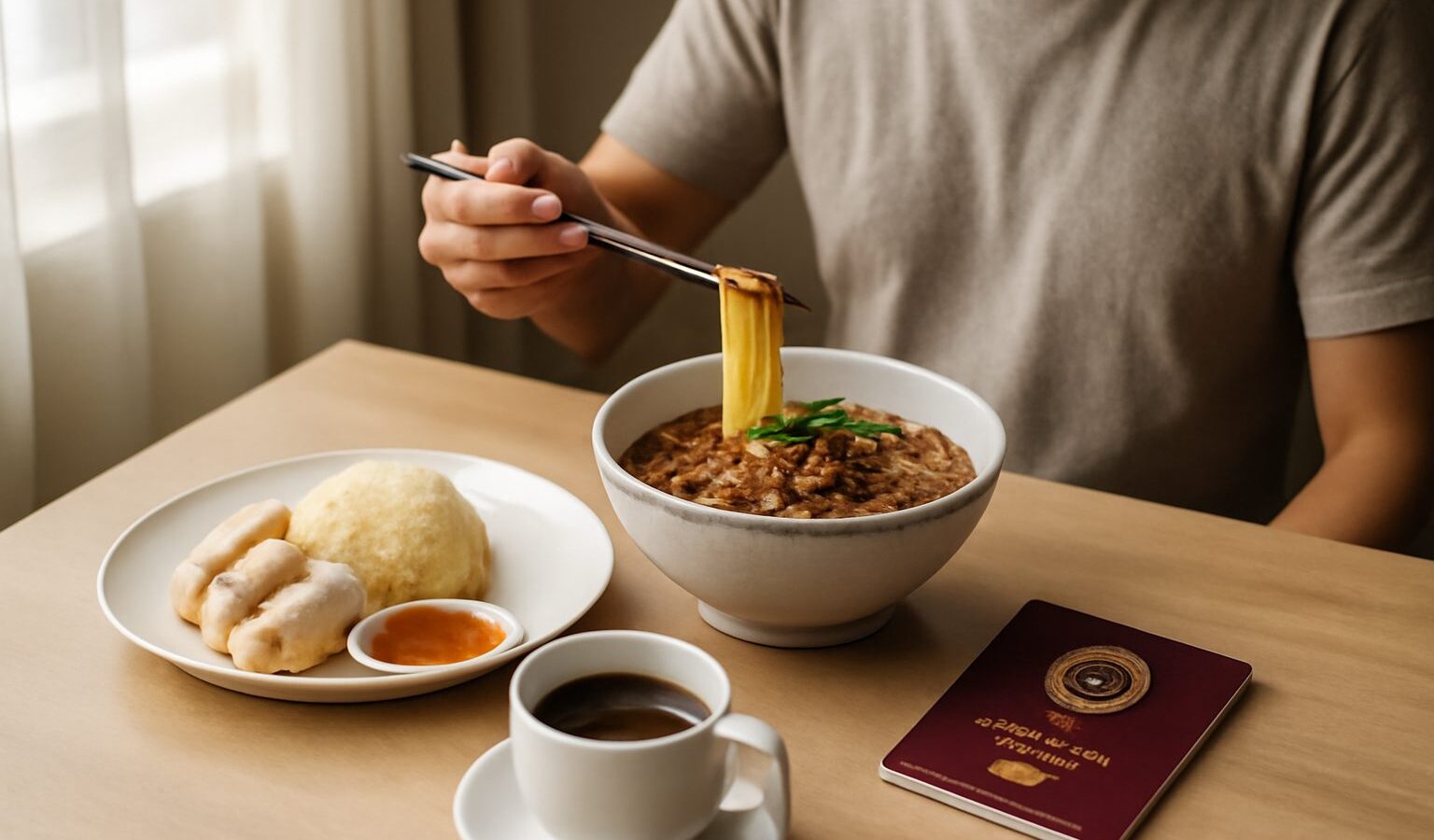
Few Chinese cities feel as relaxed as Chengdu. The capital of Sichuan province is famous for giant pandas, mouth-numbing hotpot and a teahouse culture that turns an afternoon into a small event. For Singaporeans who have already ticked off Bangkok, Taipei and Hong Kong, planning a trip to Chengdu from Singapore opens up a very different side of China: green, food-obsessed and easygoing, yet still a modern megacity with fast trains and gleaming metro lines. This guide walks you through getting there, when to go, what to see and how to eat well no matter your dietary needs.
Getting to Chengdu From Singapore
Chengdu sits deep in western China, so you should plan for a longer travel day than a quick regional hop. Depending on the routing, expect somewhere in the region of six to nine hours of total travel time. Some seasons see direct services between Changi and Chengdu Tianfu or Shuangliu airports, but many itineraries route through a hub such as Guangzhou, Shenzhen, Kunming or Hong Kong. Direct flights come and go with demand, so compare current schedules and prices before committing.
Because routings change often, be flexible on airports. Chengdu now has two: the older Shuangliu, closer to the city, and the newer Tianfu, further out to the southeast. Check which one your flight uses, since the transfer time into town differs. Give yourself a comfortable buffer for any transit stop, especially if you need to clear immigration and recheck bags.
On entry requirements, do not rely on hearsay. China has adjusted its rules for Singapore passport holders in recent years, so check the latest official guidance from the Chinese embassy or consulate and cross-reference ICA before you book. Confirm whether your specific trip needs a visa, and never assume a friend’s experience still applies.
Best Time to Visit
Chengdu has a mild, humid, often cloudy climate, and locals joke that the sun is a rare guest. That greyness is part of its charm, but it shapes when you should go.
| Season | Months | What to expect |
|---|---|---|
| Spring | Mar to May | Comfortable temperatures, blossoms, pleasant sightseeing |
| Summer | Jun to Aug | Warm and humid with rain; lush but sticky, close to Singapore’s feel |
| Autumn | Sep to Nov | Cool, drier and widely seen as the most comfortable window |
| Winter | Dec to Feb | Cold, damp and grey; fewer crowds and cosy hotpot weather |
For most Singapore travellers, spring and autumn hit the sweet spot with mild days and easier walking. Summer will feel familiar in its humidity, while winter rarely brings snow in the city but can be bone-chilling because of the damp. Whenever you go, pack layers, since indoor and outdoor temperatures can swing.
Top Things to See and Do
The giant pandas are the headline act. The main breeding and research base on the northern edge of the city lets you watch pandas munch bamboo and tumble around, and red pandas often share the grounds. Go early in the day when the animals are most active and the crowds are thinner. It is a genuinely lovely half-day, especially with children.
Beyond the pandas, Chengdu rewards slow wandering:
- Stroll the restored lanes of Jinli Street and the Kuanzhai Alleys (the Wide and Narrow Alleys), where old courtyard architecture houses tea stalls, snacks and craft shops.
- Visit the tranquil grounds around the Wuhou Shrine and the thatched cottage of the poet Du Fu for a dose of history and greenery.
- Sit in a traditional teahouse, order a bottomless cup and watch the world go by; some spots offer ear-cleaning and face-changing opera performances.
- Take a day trip to see the colossal Leshan Giant Buddha carved into a riverside cliff, often paired with the sacred mountain of Emei.
Chengdu also works well as a base for grander adventures further out, including the alpine lakes of Jiuzhaigou, though those involve serious extra travel and should be researched carefully in advance.
Where to Stay
Chengdu is large but the metro makes it manageable, so choose a neighbourhood by vibe. The area around Tianfu Square and the central shopping streets puts you near the metro spine and walking distance to plenty of food. The lanes near the Wide and Narrow Alleys and Jinli lean more atmospheric and touristy, handy for first-timers who want sights on their doorstep.
Younger travellers and backpackers often gravitate to the more creative, cafe-heavy pockets and hostel clusters, while families and couples after comfort will find plenty of modern hotels near the main business districts. Whatever your budget, staying within a short walk of a metro station saves a lot of time given the city’s size.
Food and Dining
Sichuan cuisine is the reason many people come. This is the home of hotpot bubbling with chillies and numbing peppercorns, of mapo tofu, dan dan noodles, twice-cooked pork, kung pao chicken and street snacks like spicy skewers and dumplings in chilli oil. The signature sensation is ma la, a tingling numbness paired with heat that is unlike the chilli most Singaporeans know. If you are spice-shy, ask for a milder or split hotpot, since many places offer a two-flavour pot.
Halal travellers will find options, though they take a little planning. Chengdu has a Muslim community and you can seek out halal, or qing zhen, restaurants, many serving northwestern Chinese food such as hand-pulled noodles and lamb skewers rather than classic Sichuan pork dishes. Look for Arabic script or the qing zhen label, and when in doubt, verify with the restaurant directly. Vegetarians are also well catered for, partly thanks to a strong Buddhist tradition; temple restaurants and dedicated vegetarian kitchens do inventive meat-free versions of local classics. As always, confirm ingredients if you have strict requirements.
Getting Around
Chengdu’s metro is clean, cheap and extensive, and it is by far the easiest way to cross the city. Signage includes English and the system is straightforward once you have a stored-value option or a mobile payment set up. Note that everyday life in China leans heavily on mobile payment apps, so sort out how you will pay before arrival and carry some cash as a backup.
Ride-hailing is popular and convenient, and taxis are plentiful, though drivers may not speak English, so have your destination written in Chinese or saved on a map. For the pandas and out-of-town sights, organised day tours or a booked car can save the hassle of connections.
Practical Tips
- Currency: the renminbi (yuan). Set up mobile payment where possible and keep some cash on hand.
- Language: Mandarin dominates, with Sichuanese dialect widely spoken; English is limited, so translation apps and offline maps are your friends.
- Connectivity: many familiar apps and sites are restricted in China, so research a reliable data or VPN solution before you fly.
- Budget: Chengdu is generally friendly on the wallet compared with coastal megacities, with cheap street food and affordable metro fares.
- Safety: Chengdu is broadly considered a safe, welcoming city; take normal big-city precautions and check the latest MFA travel advisory before you go.
- Health: for any vaccinations or precautions, see a doctor or travel clinic ahead of departure; this is general information, not medical advice.
Chengdu makes a rewarding, flavour-packed introduction to inland China. It is less polished than Singapore in places and the language gap is real, but the pandas, the food and the unhurried teahouse pace more than make up for it.
Explore more
If you are mapping out a wider China trip, pair Chengdu with the capital by reading our Beijing from Singapore guide, or chase dramatic scenery with our takes on Guilin from Singapore and the Avatar peaks in Zhangjiajie from Singapore. Each pairs naturally with Chengdu for a two-city or three-city itinerary.