
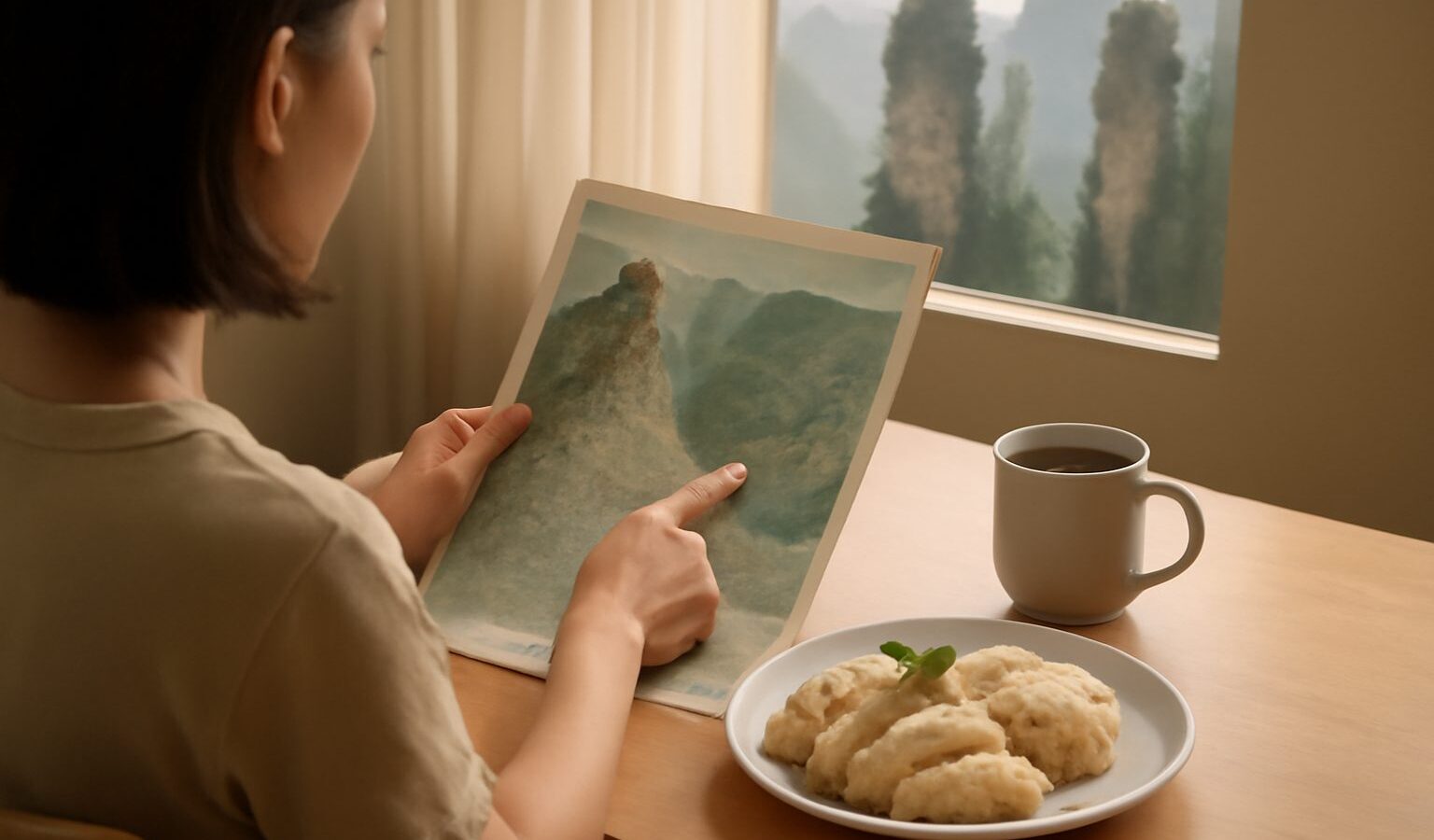
If you have ever seen photos of thousands of thin stone pillars soaring out of the mist and wondered where on earth that is, the answer is Zhangjiajie. This corner of Hunan province inspired the floating mountains of the film Avatar, and it has become a bucket-list nature trip for good reason. For Singaporeans who want jaw-dropping landscapes, hair-raising glass walkways and a real sense of adventure, planning a trip to Zhangjiajie from Singapore is well worth the effort. This guide covers getting there, the best seasons, the must-see sights and how to eat and get around.
Getting to Zhangjiajie From Singapore
Zhangjiajie is a smaller inland destination, so you should expect at least one transit stop rather than a direct hop. Total travel time typically lands somewhere in the region of seven to ten hours depending on the connection. Common routings go through a major Chinese hub such as Guangzhou, Shenzhen, Changsha or Shanghai, with an onward flight into Zhangjiajie’s own airport.
A very popular alternative is to fly into Changsha, the provincial capital, and then take China’s fast and comfortable high-speed rail on to Zhangjiajie, a scenic and efficient leg. Whichever way you go, leave a comfortable buffer for transit, especially if you need to clear immigration and recheck bags between flights. Because direct options are limited and schedules shift, compare current routings and prices carefully before you book.
On entry rules, do not guess. China has changed its requirements for Singapore passport holders in recent years, so confirm your specific situation with the Chinese embassy or consulate and cross-check ICA before committing to dates.
Best Time to Visit
Zhangjiajie sits at altitude in a humid subtropical zone, and the mountains make their own weather, so mist and cloud are common all year. That fog is part of the magic, but it also affects what you will see.
| Season | Months | What to expect |
|---|---|---|
| Spring | Mar to May | Fresh greenery and frequent mist; atmospheric but showery |
| Summer | Jun to Aug | Warm, humid and busiest; lush but crowded and prone to afternoon rain |
| Autumn | Sep to Nov | Cooler, clearer skies and comfortable hiking; a favourite window |
| Winter | Dec to Feb | Cold, quiet and sometimes snowy, with a stark, dramatic beauty |
Autumn is widely regarded as the sweet spot for clearer views and pleasant walking, while spring gives you the moody, painterly mist. Summer brings the biggest domestic crowds, so expect queues at cable cars and lifts. Winter is cold but strikingly beautiful and much quieter, though some facilities may run reduced services, so check ahead. Whenever you visit, pack layers and good walking shoes.
Top Things to See and Do
The heart of the region is the Wulingyuan scenic area and Zhangjiajie National Forest Park, home to those famous sandstone pillars. Within it, the Yuanjiajie area holds the towering column nicknamed the Avatar Hallelujah Mountain, reached via the sheer Bailong glass elevator that climbs the cliff face. Give yourself at least a couple of days inside the park, as it is vast and connected by shuttle buses, trails and cable cars.
The wider area packs in more thrills and views:
- Ride up Tianmen Mountain by one of the world’s longest cable cars, then walk the glass skywalks clinging to the cliff and see the natural arch of Tianmen Cave, reached by the winding 99-bend road.
- Cross the Zhangjiajie Grand Canyon glass bridge, a vertigo-inducing span high above a gorge.
- Take a gentler boat or raft along Baofeng Lake, ringed by peaks.
- Explore Yellow Dragon Cave, a huge lit cavern of chambers and underground rivers.
Note that some attractions have height barriers, glass walkways and lots of steps, so weigh that up if you travel with young children or anyone uneasy with heights.
Where to Stay
There are two broad choices. Zhangjiajie city, near the airport and railway, is the practical base with the widest range of hotels and easy transport, though it is a drive from the main park gates. The small town of Wulingyuan sits right by the national park entrance and is the most convenient base for exploring the pillars, with plenty of hotels and guesthouses. For a splurge, some travellers stay up on the mountain itself to catch sunrise above the clouds.
A common plan is a night in the city on arrival, then two or more nights near Wulingyuan for the park, plus time for Tianmen Mountain. Families and couples will find comfortable modern hotels, while budget travellers can pick up simple guesthouses close to the gates.
Food and Dining
You are in Hunan, home to some of China’s spiciest cooking, so expect bold, chilli-heavy dishes, smoked and cured meats, and hearty mountain fare using local vegetables and river fish. Portions are generous and flavours are punchy, so if you are spice-shy, ask for milder versions where possible.
Halal travellers should plan ahead, as dedicated halal, or qing zhen, restaurants are relatively limited in this rural region. Look for the qing zhen label or Muslim noodle houses, carry a translation card, and verify ingredients directly with staff, since pork and lard feature heavily in local cooking. Vegetarians can usually find vegetable and tofu dishes, but many are cooked with meat stock or chilli oil, so it pays to ask before ordering and to learn a few key phrases.
Getting Around
Distances between sights are significant and the terrain is steep, so most visitors rely on a mix of park shuttle buses, cable cars, lifts and a booked driver or small-group tour to link the outlying attractions. Inside the national park, the shuttle network and marked trails do most of the work once you have your multi-day ticket.
As elsewhere in China, daily payment runs largely on mobile apps, so arrange that before arrival and keep some cash as backup. English is limited, so save destinations in Chinese on an offline map and lean on translation apps.
Practical Tips
- Currency: the renminbi (yuan). Set up mobile payment where you can and carry some cash.
- Language: Mandarin and local dialect; English is scarce, so translation and offline map apps are essential.
- Connectivity: many familiar apps and sites are restricted in China, so sort out a reliable data or VPN option before you fly.
- Budget: the region is generally affordable for food and transport, though park tickets, cable cars and lifts add up, so budget for them.
- Safety: Zhangjiajie is broadly considered safe for tourists; take normal precautions on wet or high walkways and check the latest MFA travel advisory before you go.
- Health: for any vaccinations or precautions, see a doctor or travel clinic before departure; this is general information, not medical advice.
Zhangjiajie asks a little more effort than a beach weekend, but the payoff is scenery that genuinely looks unreal. For Singaporeans chasing nature and a sense of wonder, few trips within reach deliver quite like it.
Explore more
Zhangjiajie pairs beautifully with other scenic Chinese escapes, so read our guide to Guilin from Singapore for more karst magic, or add culture and food with our Chengdu from Singapore and Xian from Singapore guides. Any of these makes a natural companion for a longer China itinerary.