
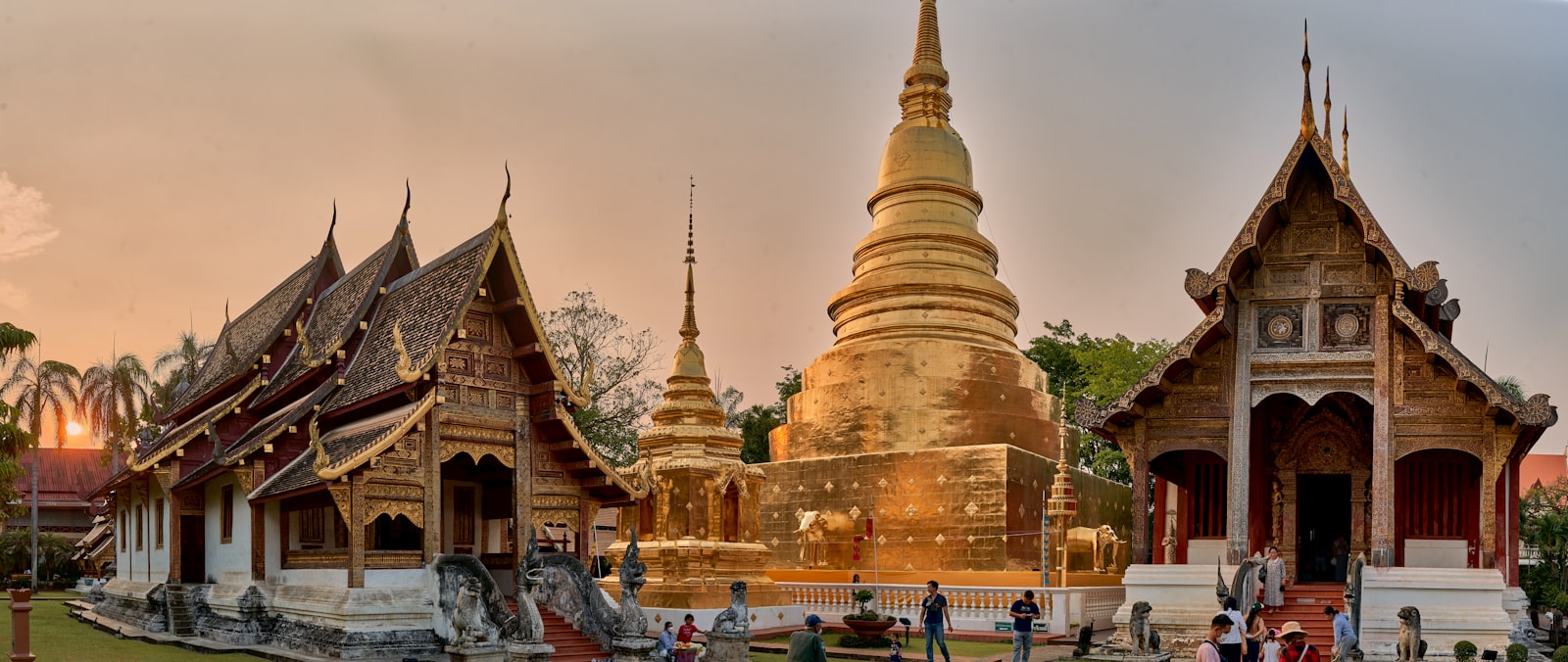
Planning a trip to Chiang Rai from Singapore takes you to the far north of Thailand, a mountainous province of striking temples, hill country and cooler air that offers a calmer contrast to the country’s busy beaches and capital. This guide covers how to get there, when to go and what to see so you can shape a relaxed northern itinerary. It is a general overview only, so please confirm current visa rules, flight options and prices yourself before booking, as these details change over time.
Getting there from Singapore
Chiang Rai sits in Thailand’s northernmost reaches, near the borders with Laos and Myanmar, so reaching it from Changi almost always involves a connection. The common approach is to fly to Bangkok first, then take a domestic flight north to Chiang Rai, which has its own airport a short drive from the city centre. Some travellers connect through Chiang Mai instead and continue by air or road.
Chiang Rai and Chiang Mai are often combined, and the scenic overland route between the two takes around three to four hours by bus, minivan or hired car, making a two city northern loop straightforward. Because connections and routings vary and change with the seasons, compare current schedules when you book rather than assuming a fixed path. Once you arrive, the compact centre and nearby attractions are easy to reach by local transport or a hired driver.
Best time to visit
Chiang Rai’s climate is shaped by its northern, upland location, which makes it noticeably cooler than the lowlands at times.
The cool dry season is the most comfortable and popular, bringing crisp mornings, pleasant days and clear skies that suit sightseeing and hill country trips. The hot season turns warm and hazy, and this northern region can experience smoke from seasonal agricultural burning, so air quality is worth checking. The wet season brings lush green landscapes and lively waterfalls, with showers that are often short rather than constant. For the best mix of comfort and clear views, the cooler months are the safest choice.
Top things to see and do
Chiang Rai rewards travellers who enjoy art, culture and scenery at a gentle pace.
- Visit the White Temple. This dazzling contemporary temple, all white and mirrored, is the province’s most famous sight and utterly distinctive.
- See the Blue Temple and other landmarks. A vivid blue temple and other striking modern religious sites add to the area’s artistic reputation.
- Explore the hill country. Tea and coffee plantations, mountain viewpoints and cooler highland scenery make for rewarding day trips.
- Learn about the Golden Triangle. The meeting point of three countries along the river carries a fascinating history worth understanding on a guided visit.
- Discover local culture. Night markets, hill community heritage and regional crafts give a strong sense of northern identity.
- Enjoy the northern food. The region has its own distinct cuisine, milder and more herbal than the south, and the evening markets are a relaxed, affordable place to graze on local specialities and street snacks.
Chiang Rai compared with Chiang Mai
Because the two are so often paired, it helps to understand how they differ before you divide your time.
| Feature | Chiang Rai | Chiang Mai |
|---|---|---|
| Size and pace | Smaller, quieter, slower | Larger, busier, more facilities |
| Signature draw | The White Temple and hill country | Old city temples and wider dining |
| Best for | Calm sightseeing, scenery | Longer stays, food and shopping |
| Transport links | Fewer direct options | More flights and services |
Many travellers give Chiang Mai the larger share of their time and add a couple of nights in Chiang Rai for its temples and landscapes, which balances convenience with a taste of the quieter north.
Where to stay
Accommodation gathers around the city centre and along the routes towards the main attractions. Staying central near the clock tower and night market keeps you close to dining, transport and the easiest access to organised tours, which suits first time visitors.
For a more scenic and restful stay, resorts and lodges set among the hills and riverside on the city’s fringes offer views and tranquillity, though you will depend more on transport to reach the sights. Nature focused travellers often base themselves closer to the plantations and mountains. Decide whether you value central convenience or a scenic retreat first, then compare properties within that area by access and facilities.
Practical tips
- Entry and visa. Confirm current entry requirements for Singapore passport holders with ICA and the relevant Thai embassy or official channels before you travel, as rules can change.
- Currency and payments. The currency is the Thai baht, cash is essential for markets, local transport and small vendors, and cards are accepted at larger places.
- Getting around. Use shared songthaew trucks, taxis, ride hailing and hired drivers, and consider engaging a driver for a day to link the more spread out attractions comfortably.
- Rough budget band. Chiang Rai is generally affordable, with a good spread from guesthouses to comfortable resorts, making it easy on the wallet.
- Safety. Check the current MFA travel advisory for Thailand, take care on winding mountain roads, watch air quality in the burning season and keep valuables secure.
- Etiquette. Dress modestly at temples with shoulders and knees covered, remove your shoes where required, keep your voice down in sacred spaces, and treat images of the monarchy and religious sites with respect.
Chiang Rai is a peaceful, characterful corner of Thailand that pairs beautifully with Chiang Mai for a well rounded northern trip. Plan around the cooler months, allow time for both temples and scenery, and you will find a rewarding change of pace from the country’s busier destinations.
Explore more: Chiang Mai from Singapore · Bangkok from Singapore · Best time to visit Southeast Asia