
Pai is northern Thailand at its most laid back, a small mountain town where rice paddies glow at dusk, hot springs steam in the hills, and travellers linger far longer than they planned. Tucked in a green valley beyond Chiang Mai, it trades temples and traffic for hammocks, waterfalls and slow mornings over coffee. Planning a trip to Pai from Singapore means flying into Chiang Mai first, then continuing overland on the famous winding mountain road. This guide covers how to reach it, when to go, what to do, and how to handle that twisty drive, all from a Singapore planner’s point of view.
Pai suits travellers who want to downshift: to swim under waterfalls, soak in hot springs, and watch the sun rise over a sea of mist. In a few unhurried days the town’s easygoing rhythm tends to work its way under your skin.
Getting There From Singapore
There is no airport at Pai serving direct flights from Singapore, so the journey starts with a flight to Chiang Mai, reached from Changi by a mix of full service and budget carriers, sometimes with a connection. Fares swing with the season and how early you book, so check current flights and prices, as peak periods push them higher.
From Chiang Mai, Pai is reached overland by road, and this is the part to prepare for. The mountain route is famous for its many curves as it climbs and descends through the hills, and it is genuinely twisty, so motion sickness is common. Shared minibuses and private transfers make the run, and some travellers rent a vehicle, though the road demands care and experience. If you are prone to travel sickness, take medication beforehand, sit near the front, look at the horizon, and travel on a light stomach. Because services change, look up current transport options close to your dates.
For entry, Singapore passport holders should verify the latest visa and entry requirements with official Thai channels and with ICA before travelling. For safety guidance, refer to MFA travel advisories.
Best Time to Visit
Pai sits in the mountains, so it runs cooler than the lowlands, with chilly mornings in winter that surprise first time visitors.
| Season | Rough months | Weather | Why go |
|---|---|---|---|
| Cool / dry | November to February | Cool, misty mornings | Best weather, mist over the valley, peak season |
| Hot / hazy | March to May | Hot, often smoky | Warm, but seasonal haze from burning can be poor |
| Green / wet | June to October | Rainy, lush | Green paddies, full waterfalls, quieter and cheaper |
The cool, dry months are the golden window, with pleasant days, cold mornings and the famous valley mist, though the town is busiest then. The hot season can bring a smoky haze from agricultural burning that affects air quality and views, so check conditions before you go. The green season is lush and quiet with powerful waterfalls, though rain can make the mountain road trickier.
Things to Do
Pai’s appeal is as much about mood as sights, but there is plenty to fill your days. The Pai Canyon is a favourite for sunset, with narrow ridgelines and sweeping views, though the drops are steep, so tread carefully and mind the edges. Natural hot springs let you soak in mineral pools, waterfalls tumble in the surrounding hills for a cool dip, and viewpoints and bamboo bridges over the rice fields make for gentle wandering. The walking street market brings the town to life in the evening with food stalls, crafts and live music.
Beyond that, many people simply slow right down, renting a bicycle or joining easy day trips, visiting a nearby cave, or reading in a riverside cafe. It is a place to do a little and enjoy it a lot.
Families enjoy the hot springs and easy scenery, couples the sunsets and cosy cafes, and free spirited travellers the relaxed market nights and mountain air. Take care near the canyon edges and on any rented vehicle, as mountain roads are unforgiving.
Food and Dining
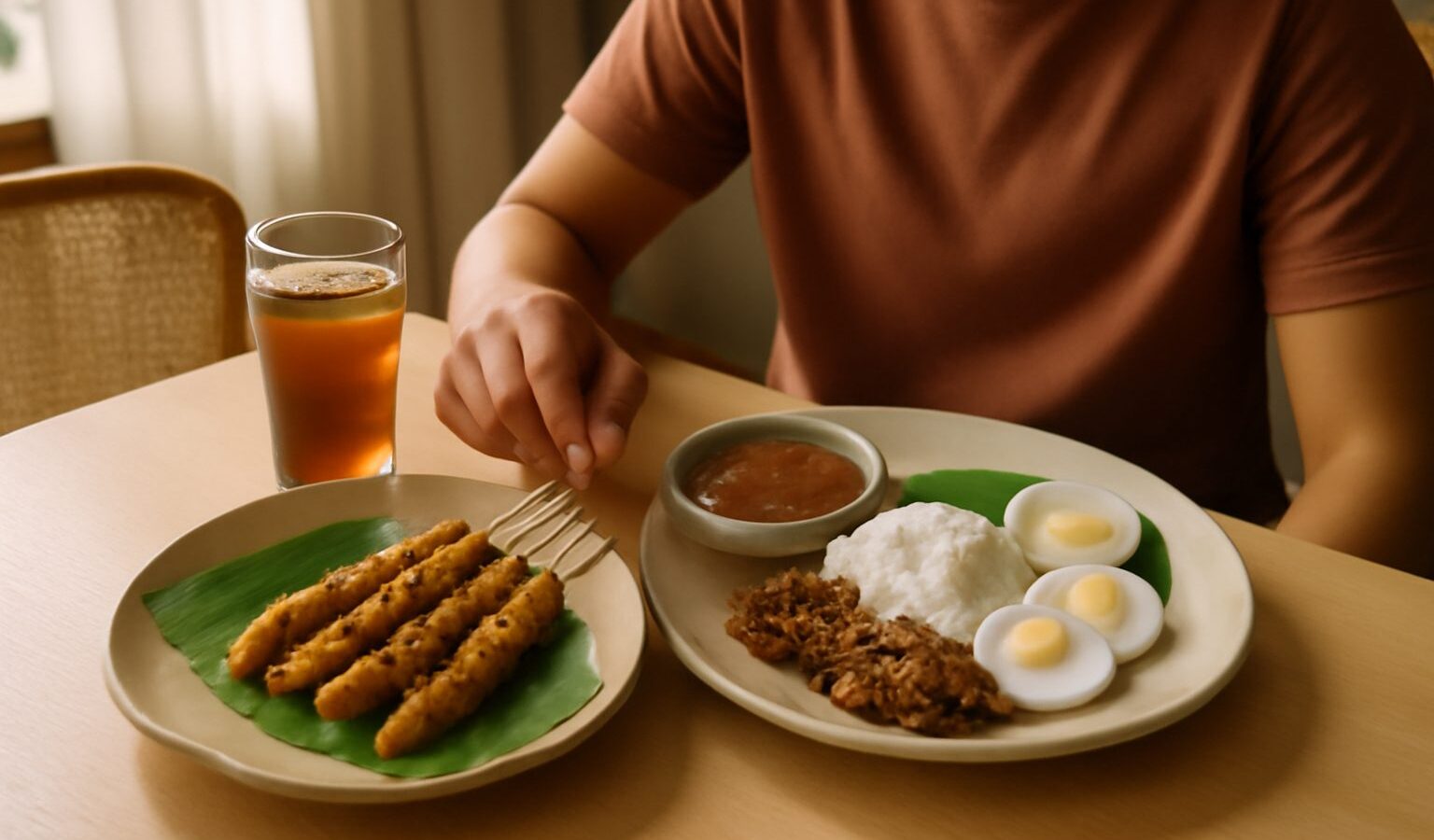
Pai punches above its size on food, mixing northern Thai specialities with a strong cafe and traveller food scene. Look for the region’s mild coconut curry noodles, spicy salads, grilled dishes and sticky rice, alongside smoothie bowls, bakeries and vegetarian friendly kitchens that reflect the town’s easygoing crowd. The night market is the tastiest way to graze.
For halal and vegetarian travellers, Pai is relatively well set up, with more meat free and vegan options than many small Thai towns, though you should still check for fish sauce, shrimp paste and meat stock in savoury dishes. Dedicated halal restaurants are limited, so plan ahead, carry certified snacks bought in Chiang Mai, and confirm ingredients when ordering.
Where to Stay and Practical Tips
Accommodation leans toward the rustic and charming, from bamboo bungalows and riverside guesthouses to boutique resorts set among the paddies. Staying in or near town keeps you close to the market and dining, while spots out in the valley offer quiet, views and cool mornings. Book ahead in the cool season, when Pai is popular.
A few practical notes for Singapore travellers. The currency is the Thai baht; carry cash, as smaller places and the market run on it. The winding road in is the single biggest thing to prepare for, so pack motion sickness remedies and give yourself a rest on arrival. If you rent a scooter, only do so if experienced, wear a helmet, and check your travel insurance covers it, as mountain roads and gravel are unforgiving. Mornings can be cold, so bring a layer. For pre travel health advice, see a doctor or travel clinic before you fly.
Explore more
Since Pai is reached through the north’s main hub, pair it with Chiang Mai from Singapore at the start of your trip. For more of Thailand, see our guides to Bangkok from Singapore and the nature escape of Khao Yai from Singapore.