
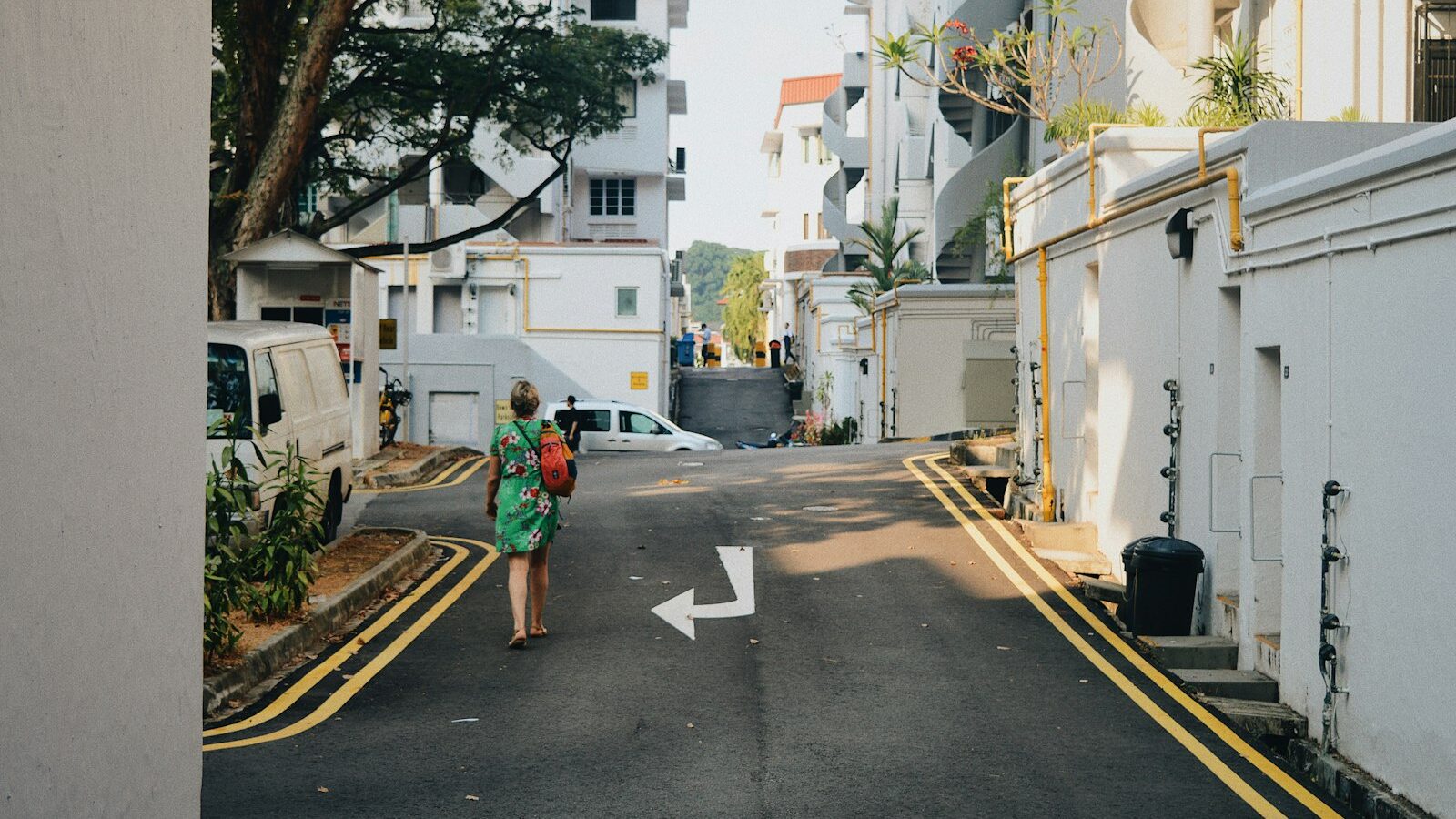
A crawling baby becomes a climbing toddler faster than any new parent expects, and a Singapore flat is full of edges, sockets, and heavy furniture at exactly toddler height. Childproofing Singapore homes is less about buying a cupboard of gadgets and more about getting down to your child’s eye level, room by room, and fixing the real hazards you find. This guide walks through the whole flat, puts the biggest emphasis where it belongs on high-rise window and grille safety, and points to products you can actually buy here. Do it in stages as your child grows, and revisit it when they hit each new milestone.
Start with a simple walk-through: crawl through each room and notice what a curious child can reach, pull, climb, or put in their mouth. What follows is the room-by-room plan.
High-Rise Window and Grille Safety First
In a country of high-rise flats, window safety is the single most important thing on this list, so start here. A child can climb far higher than you think, and furniture placed near a window becomes a ladder. The core rules:
- Never place beds, sofas, chairs, or storage boxes under or beside a window or the parapet. This removes the climbing route entirely and is the most effective single step.
- Keep windows secured. Window grilles are standard in many HDB flats and are a strong safeguard, but they must be maintained. Check regularly that grilles are firmly fixed, not corroded, and that the gaps are too narrow for a child to squeeze through or get a head stuck.
- Casement windows should have restrictors or locks so they cannot open wide enough for a child to get through, while still allowing you to open them for ventilation and cleaning.
- Teach older children never to climb on window ledges, and never leave a young child unsupervised in a room with an accessible, openable window.
Take the same care on balconies and at parapets: keep them clear of anything climbable and check that railings are secure with gaps a child cannot pass through. If grilles or railings are loose, damaged, or need installing, engage a proper contractor and follow HDB or MCST rules for any fixed alteration.
Anchoring Furniture and Televisions
The other hazard parents most underestimate is tip-over. Bookcases, chests of drawers, shelving, and tall wardrobes can topple onto a child who pulls on them or uses the drawers as steps, and a falling television is heavier and more dangerous than it looks. This causes serious injuries every year and is entirely preventable.
Anchor tall and heavy furniture to the wall with anti-tip straps or brackets, which come with most flat-pack furniture from IKEA and are sold cheaply on Shopee, Lazada, and at hardware shops. Mount televisions on the wall or strap them firmly to a low, stable unit rather than perching them on a narrow console. Put heavier items in the lowest drawers so the piece is bottom-heavy, and discourage climbing by not placing tempting toys on top. For fixing brackets into concrete or into hollow walls, use the right wall plugs, and get help if you are unsure the fixing will actually hold.
Kitchen, Bathroom, and Everyday Hazards
The kitchen and bathroom hold the sharpest and most poisonous things in the home, so they need firm boundaries. A safety gate across the kitchen doorway, or simply keeping the door shut, is often the simplest answer during cooking.
- Kitchen: turn pot handles inward, use the back hobs, and fit stove knob covers if your hob invites little hands. Keep knives, cleaning chemicals, dishwasher tablets, and detergents in high or latched cupboards, never under the sink where children look first.
- Bathroom: fit a toilet lid lock, use a non-slip mat, and store medicines, mouthwash, and cleaning products high up and latched. Never leave a child alone in the bath even for a moment, as a young child can drown in very shallow water.
- Around the home: keep small objects, button batteries, magnets, and medicines well out of reach, as these cause the most dangerous swallowing emergencies. Store the poison and emergency numbers somewhere everyone can see.
For water heaters and hot taps, set a sensible temperature so a child cannot be scalded, and get a licensed plumber or the proper professional to handle any heater or plumbing work.
Corners, Sockets, Cords, and Gates
With the big risks handled, the smaller fixes round out a safe home. This table matches common hazards to the fix and where to find it.
| Hazard | The fix | Where to buy | Notes |
|---|---|---|---|
| Sharp table and counter corners | Foam or rubber corner guards, edge strips | IKEA, Shopee, Lazada, baby shops | Cheap, quick, replace when they peel |
| Open power sockets | Socket covers or safety plates | Hardware shops, online | For rewiring or new points, use a licensed electrician |
| Blind and curtain cords | Cord cleats, tie-ups, cordless blinds | Curtain shops, online | Looped cords are a strangulation risk, secure high |
| Stairs, kitchen, balcony access | Safety gates, door stoppers | IKEA, baby shops, online | Measure the opening, choose the right mount |
| Slamming doors on fingers | Foam door stoppers, finger guards | Baby shops, online | Simple and effective for busy homes |
| Trailing electrical cords | Cord organisers, clips, covers | Hardware shops, online | Keep appliances and cords off the floor |
Cordless blinds are worth the upgrade if you are already changing window coverings, since blind cords are a known strangulation hazard. For sockets and cords, cover and tidy what exists, but leave any actual electrical work, new power points, or rewiring to a licensed electrician.
Growing With Your Child
Childproofing is not a one-time job. What keeps a six-month-old safe is not enough for an eighteen-month-old who can climb, and a three-year-old who can work a latch needs different measures again. Re-do your eye-level walk-through every few months and after any furniture change, and pay fresh attention to windows, balconies, and climbable furniture at each stage. Supervision remains the real safeguard: no gadget replaces an adult keeping an eye out, especially near windows, water, and the kitchen. Build the habits early and the home stays safe as your child grows into it.
Explore more
If you are setting up a child’s space, our guide to kids room design and ideas in Singapore covers safe, practical layouts for growing children. For wider household safety, including electrical and cooking risks and SCDF guidance, see our home fire safety guide for Singapore.