
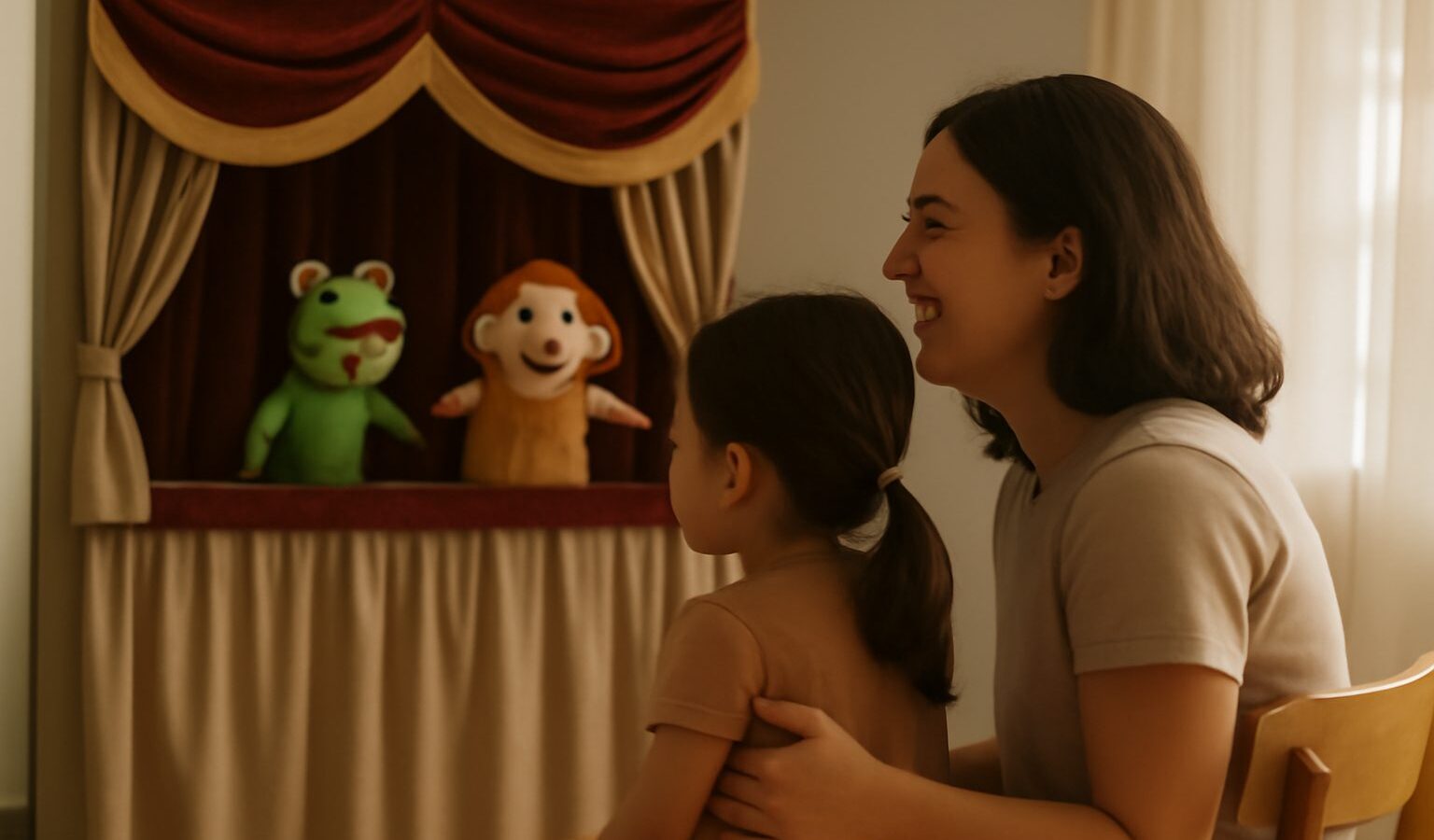
A child’s first trip to a live show can spark a lifelong love of stories, music and make-believe. The good news is that childrens theatre in Singapore is warm, welcoming and surprisingly varied, from gentle puppetry for toddlers to big song-and-dance productions the whole family can enjoy. This guide explains what to expect, who stages these shows, how to pick the right one for your child’s age, and how to plan an outing that goes smoothly.
What counts as children’s theatre
Children’s theatre covers any performance made with young audiences in mind. It is not one single style but a spectrum, and knowing the types helps you choose well:
- Puppetry and object theatre, where puppets, shadows or everyday objects tell a story. These are often gentle and visual, ideal for the youngest viewers.
- Storytelling and interactive shows, which invite children to sing, clap, answer or move along, keeping little ones engaged.
- Plays and musicals for families, with fuller staging, songs and a clear narrative, suited to older children and grown-ups alike.
- Seasonal and holiday productions, which tend to appear during the school holidays and festive periods.
Many shows are designed for a specific age band, and the difference between a toddler show and one for primary-school children is significant. Always check the recommended age on the listing before you book.
Where families can see shows
Singapore has a healthy ecosystem of venues and companies that regularly programme for children.
The Esplanade is a natural starting point. Its family-focused strands, such as its long-running early-childhood programming and its holiday festivals, bring in puppetry, music and interactive shows, and a good number of Esplanade offerings are free. The Singapore Repertory Theatre is well known for its dedicated productions for young audiences, often adapting popular stories into lively stage shows. Other companies and venues, from the Victoria Theatre to community and library spaces, host family shows through the year, and touring international productions occasionally visit larger halls.
Because programmes change every season, treat this as a map of where to look rather than a fixed schedule. Check each venue’s website for current shows, dates and prices.
Matching a show to your child’s age
Choosing by age is the single best way to ensure a happy outing. A show pitched too old can lose a toddler; one pitched too young can bore an older child. Use the recommended ages on each listing as your guide, and consider your own child’s temperament and attention span.
| Age group | What tends to suit them | What to look for |
|---|---|---|
| Babies and toddlers (roughly under 3) | Short, sensory, gentle puppetry and music | Runs of about 30 to 45 minutes, low lighting cues, calm pace |
| Preschoolers (about 3 to 6) | Interactive stories, songs, colourful staging | Chances to join in, familiar tales, clear characters |
| Primary age (about 7 to 12) | Plays and musicals with a stronger plot | A story that rewards attention, humour, spectacle |
| Whole family | Musicals and festive shows for mixed ages | Broad appeal, an interval, comfortable running time |
These bands are a rough guide only; every child is different, and the show’s own age recommendation should take precedence.
Planning a smooth outing
A little preparation turns a potentially stressful trip into an easy one:
- Book ahead for popular runs. Holiday and weekend shows can sell out, so reserve early through the official ticketing site.
- Check the running time and interval. Younger children do best with shorter shows; knowing whether there is a break helps you plan snacks and toilet trips.
- Prepare your child. Talk about what a theatre is, that lights dim and everyone watches together, and that clapping is welcome.
- Arrive early. Latecomers may be held until a suitable pause, and rushing unsettles young children.
- Bring the essentials. Water, a light layer for air-conditioning, and anything that helps a nervous child feel secure.
- Mind the guidance. Some shows note if babes-in-arms are allowed, or if every attendee, regardless of age, needs a ticket. The listing will say.
If your child finds the dark or the noise overwhelming, a seat near an aisle makes a quiet exit easier, and there is no shame in stepping out for a breather.
Keeping it affordable
Family outings add up, but you have options. The Esplanade’s free programming is a genuine highlight, offering quality performances at no cost, and outdoor and festival events around the island add more. When shows are ticketed, look out for concessions, family or group packages, and early-bird periods. School-holiday seasons often bring a cluster of family-friendly productions, so it is worth planning around them. Prices, discounts and free listings change constantly, so confirm the current details on each venue or organiser’s website before you go.
Beyond ticketed shows, libraries and community centres sometimes host storytelling and small performances, which make a gentle, low-pressure first experience for very young children.
What to expect inside the theatre
Knowing the shape of a visit helps first-timers feel at ease. Most family shows begin with an announcement asking everyone to settle, followed by the house lights dimming. For a nervous child, this moment can be the hardest, so it helps to warn them in advance that the room goes dark on purpose and that the story is about to start. Many productions for the very young keep the lighting soft rather than fully black, precisely because sudden darkness can unsettle toddlers.
Seating is another thing worth thinking through. Booster cushions are sometimes available so smaller children can see over the row in front, though supply varies, so it is worth asking staff on arrival. An aisle seat gives you an easy route out for a toilet trip or a quiet moment, and a spot a few rows back can feel less overwhelming than the very front for a child who startles easily. If your child is likely to want to stand, sway or clap, choosing a seat where that will not block others is a small kindness that keeps everyone happy.
Audience participation is common in children’s theatre, and it is usually gentle rather than demanding. Performers may ask questions, invite call-and-response, or encourage clapping along to a song. There is no obligation to join in, and a shy child watching quietly is having a perfectly good time. Afterwards, some companies host a short meet-and-greet or a chance to see the puppets up close, which can turn a good outing into a memorable one, so it is worth checking the listing or asking staff whether anything follows the final bow.
Making it a habit
One show rarely tells you whether your child loves theatre; tastes take time to form. A toddler who fidgets through a musical may be spellbound by a small puppet show, and a child who found one story dull may adore the next. Treating early visits as low-stakes experiments, rather than a verdict on whether your family enjoys the arts, keeps the pressure off and the door open. Rotating between quiet puppetry, lively musicals and free outdoor performances gives a young audience a broad taste of what live storytelling can be, and helps you learn what suits your own child best over a season or two.
Explore more
Looking to broaden your family’s cultural outings? Our theatre in Singapore guide sets out the wider scene, while the Esplanade guide highlights the venue that does so much for young audiences. For a different kind of hands-on fun, see our roundup of museums for kids in Singapore. Always check current dates, ages and prices with the venue before booking.