
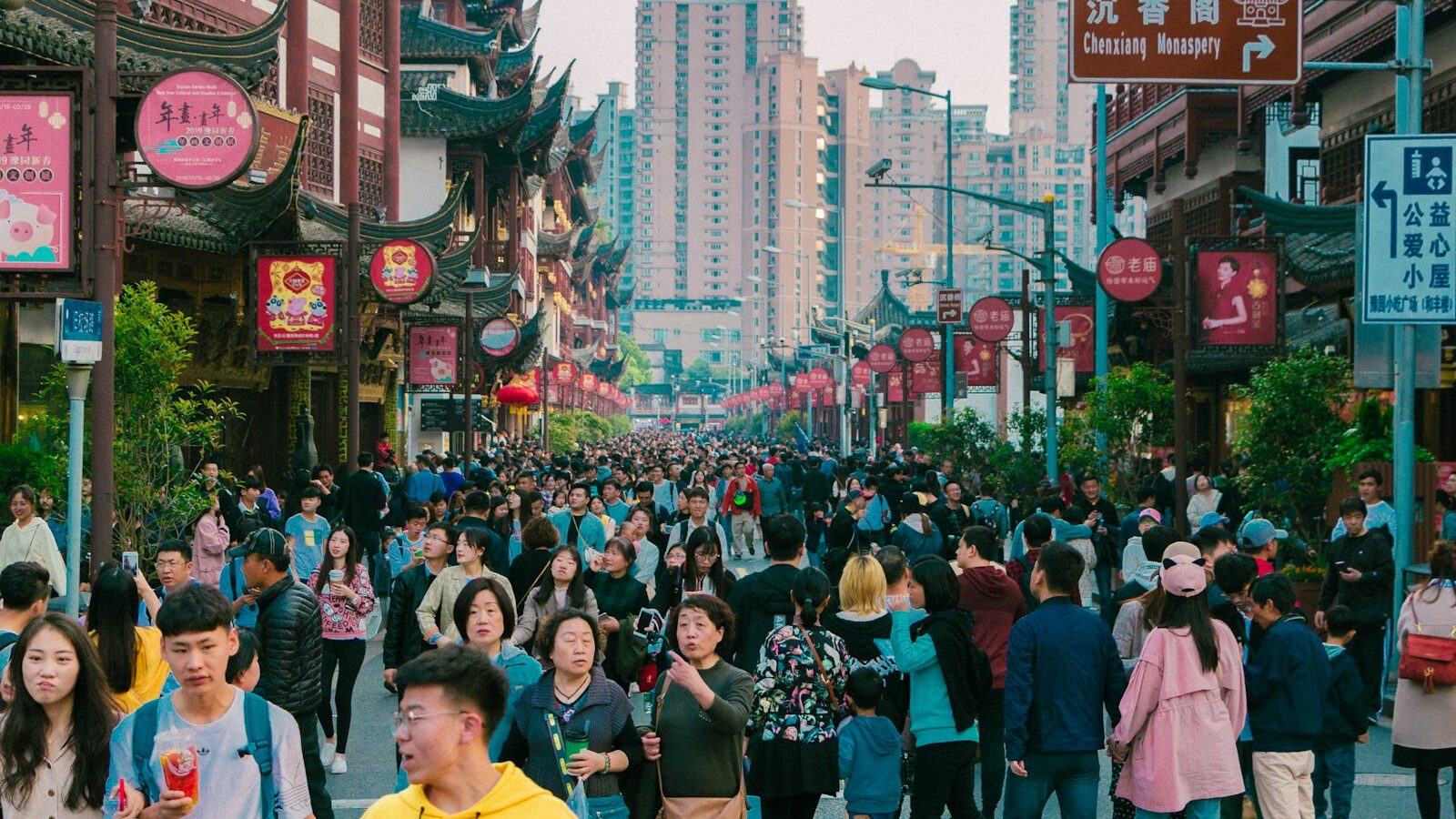
If you have walked through Chinatown or an older part of the city, you may have passed an old building with a grand name carved above the door and wondered what it was. Very often it is a huiguan, and understanding the chinese clan association Singapore keeps alive is one of the quickest ways for a newcomer to feel connected. These organisations have shaped the local Chinese community for nearly two centuries, and many still welcome new arrivals warmly. This guide explains what they are, why they exist, what they offer you today, and how to get involved.
What These Associations Are
Chinese clan and community associations are member organisations founded on a shared identity. Traditionally they fall into a few overlapping types:
- Hometown or regional associations (huiguan). Grouped by ancestral place of origin in China, such as a province, prefecture or county. Members share roots in the same region.
- Dialect group associations. Organised around a common spoken tongue, such as Hokkien, Teochew, Cantonese, Hakka or Hainanese, which usually maps onto a region of southern China.
- Surname or clan associations. Built around a shared family surname, on the idea that people with the same surname share distant ancestry.
- Guild and trade associations. Formed around a common occupation or business, blending professional and community roles.
In practice, one association may combine several of these ideas, for example a hometown association that is also strongly tied to one dialect.
Why They Exist: A Short History
When Chinese migrants arrived in colonial Singapore in the nineteenth and early twentieth centuries, they came to a place with no social safety net and often could not speak the same language as people from other regions of China. Associations filled the gap. They found newcomers work and lodging, settled disputes, ran their own schools so children could be educated, cared for the sick, and even managed burial grounds so members would not be forgotten.
Many of Singapore’s earliest Chinese schools, temples and charities were founded by these bodies. In an era before government welfare, the huiguan was a lifeline, a place where a person far from home could find others who spoke their tongue and understood their customs. That heritage explains why the buildings are often grand and why the associations command real respect.
What They Do Today
Modern Singapore has a strong public healthcare, housing and education system, so associations no longer carry the survival role they once did. Instead they have evolved into cultural, social and charitable organisations. Their work today typically includes:
- Preserving culture. Running Chinese calligraphy, opera, music, dance, language and festival activities so traditions are passed on.
- Welfare and bursaries. Offering scholarships, bursaries and hardship help, often for members’ children or students from the wider community.
- Social connection. Hosting dinners, festival celebrations (especially Chinese New Year and the Mid-Autumn Festival), talks and interest groups.
- Networking. Bringing together business owners and professionals who share roots, which can open doors.
- Community service. Supporting charitable causes and, increasingly, helping new immigrants integrate.
Why This Matters to Newcomers
For a mainland Chinese newcomer, an association can be a genuinely useful bridge. You may find people from your own province or who speak your dialect, which makes the first friendships easier. You can join cultural classes at a low cost, take part in festival events that feel like home, and meet established residents who understand both China and Singapore. For families, some associations offer scholarships or bursaries for students. For anyone in business, the networking can be practical.
It helps to arrive with realistic expectations. These are community bodies, not immigration agents or job placement services. Their strength is belonging, culture and connections, and those are exactly the things that are hardest to buy when you are new.
The Umbrella Body: SFCCA
Because there are so many individual associations, an umbrella organisation helps coordinate them. The Singapore Federation of Chinese Clan Associations (SFCCA), formed in the 1980s, is the well-known apex body that brings many Chinese clan and community associations together. It promotes Chinese culture and language, organises large community events and cultural programmes, and increasingly runs activities aimed at helping new immigrants integrate into Singapore society. For a newcomer, the SFCCA is a sensible first point of reference, because from there you can learn about the many member associations and their activities.
Types of Associations Compared
| Type | Grouped by | What draws members |
|---|---|---|
| Hometown association (huiguan) | Ancestral region in China | Shared roots and place of origin |
| Dialect group association | Common spoken dialect | Language and cultural bonds |
| Surname or clan association | Shared family surname | Sense of common ancestry |
| Trade or guild association | Common occupation | Business and professional ties |
| Umbrella body (SFCCA) | Federation of associations | Culture, coordination, integration |
How to Find and Get Involved
Getting involved is easier than many newcomers expect. A few practical routes:
- Start with the umbrella body. Look up the SFCCA to understand the landscape and to find events open to the public. Its programmes are a low-pressure way to begin.
- Match by roots or dialect. Search for an association tied to your home province, your dialect group or your surname. Many have their own websites and social media pages listing activities.
- Attend a public event first. Festival celebrations, cultural performances and open talks are usually welcoming to visitors. Going along once tells you whether the community feels right for you.
- Ask about membership. If you want to join, ask about eligibility, any membership fee and what members are expected to contribute. Some associations naturally skew older, while others have active youth wings, so ask which groups are most active.
- Volunteer. Helping at an event is the fastest way to get to know people and to be remembered warmly.
A Few Practical Tips
- Respect the culture of the place. These are long-standing organisations with their own traditions and hierarchy. A little patience and politeness go a long way.
- Look for youth and integration groups. If you want peers your own age, ask specifically about younger chapters or new-immigrant programmes, which several associations now run.
- Give as well as take. The members who get the most out of associations are those who show up, help out and build real relationships over time.
- Keep it in perspective. Associations are one part of settling in, alongside your workplace, your neighbourhood and online communities.
Chinese clan and community associations are one of Singapore’s most distinctive institutions, a living link between the migrants of the past and the newcomers of today. For someone who has just arrived, they offer something modern services cannot: a ready-made community of people who share your roots, your language and, often, your story.
Explore more: Making Friends as a Chinese Newcomer in Singapore · Mandarin-Friendly Neighbourhoods in Singapore · A Directory of Mandarin Services in Singapore