
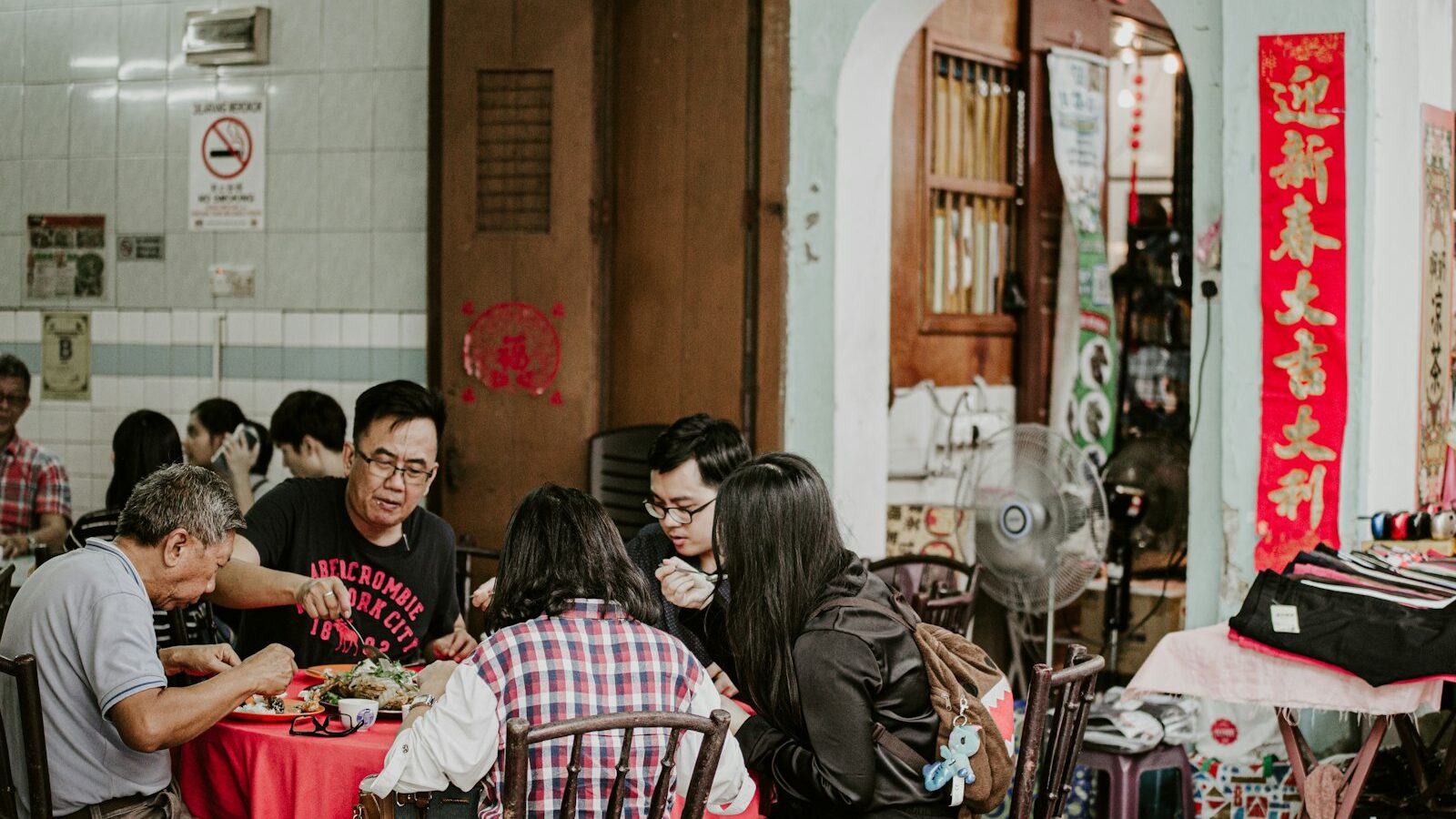
The hardest part of moving to a new country is often not the paperwork or the weather. It is the quiet. You have a place to live and perhaps a job, yet the weekends stretch out empty and no one calls. If you are looking for chinese newcomer friends and a real social life in Singapore, take heart: this is one of the friendliest places in Asia for a mainland Chinese arrival to build a circle, because so much here already feels familiar. This guide is honest about the loneliness of the first months, and then practical about the many ways to meet people, both within the Chinese community and well beyond it.
First, Accept That the Early Months Are Hard
Almost every newcomer feels isolated at the start, even confident, sociable people. You have left behind a lifetime of friends, family and easy conversation, and here you must rebuild from zero. That feeling is normal and it passes. A few honest points help:
- Friendship takes time. Adults usually need repeated, unforced contact before a warm acquaintance becomes a real friend. Give it months, not days.
- You will feel awkward, and that is fine. Everyone does at first. The people who build the best social lives are simply the ones who keep showing up.
- Say yes more than you want to. Early on, accept invitations even when you are tired. Momentum matters.
Naming the loneliness takes away some of its power. Then you can do something about it.
Lean on the Chinese Community First
There is no shame in starting where it is easy. Meeting other Mandarin speakers gives you an immediate sense of belonging while you find your feet.
- Chinese clan and community associations. These long-standing bodies run festival events, interest groups and gatherings, and many now have new-immigrant programmes. If you find one tied to your home province or dialect, the first conversation is effortless.
- Hometown and alumni groups. People from your city, province or university often gather informally. A single introduction can open a whole network.
- WeChat and local Chinese groups. Many neighbourhoods, workplaces and hobbies have active Chinese-language chat groups covering everything from housing tips to weekend hikes.
- Chinese places of worship and cultural classes. Temples, churches and calligraphy, dance or music classes draw regulars you will see week after week.
Starting inside the Chinese community is a bridge, not a wall. Use it to steady yourself, then reach outward.
Then Reach Beyond It
Singapore is multicultural, and a fuller life comes from friends across communities. Locals of Chinese heritage, other newcomers and expatriates all widen your world and speed up your English or Singlish. Do not stay only in the comfort zone. Mixed interest groups, your workplace and volunteering are the natural crossing points, and the sections below show how.
Where People Actually Meet
Friendships form around shared activity far more than around the goal of friendship itself. Put yourself where things happen regularly:
- Interest and hobby groups. Running clubs, hiking and cycling groups, board game nights, book clubs, football, badminton, dance, climbing, cooking and language exchanges all meet often, and repetition is what turns strangers into friends.
- Work. Colleagues are your most frequent contacts. Join lunch, say yes to after-work meals, and take part in office activities. Many first friendships begin at the next desk.
- Neighbours. Say hello in the lift and at the void deck. Community clubs and residents’ committees run classes and events that make it easy to know the people nearby.
- Classes and courses. Signing up for a skill, from cooking to a spoken-English class, gives you a weekly room full of the same faces.
- Faith and cultural communities. For many people these become a second family.
Use Apps and Online Groups Wisely
Technology genuinely helps, as long as it leads to meeting in person. Meet-up style platforms list gatherings for almost every interest, from photography walks to entrepreneur mixers. Friendship and community apps exist specifically for people who want to make platonic friends. Neighbourhood and interest groups on social media announce events you can simply turn up to. The rule is simple: use the screen to find the room, then go to the room. Online chatter alone will not cure loneliness, but it is an excellent way to find where the real-life gatherings are.
Volunteer
Volunteering is one of the most underrated ways to build a social life, and one of the most rewarding. Helping at a community event, an animal shelter, an eldercare programme or an environmental clean-up puts you shoulder to shoulder with warm, open-hearted people who already share a value with you. You contribute something to your new home, you practise your English in a relaxed setting, and friendships formed while doing good tend to be sincere. For a newcomer who feels like an outsider, giving back is a fast route to feeling that you belong.
Ways to Meet People Compared
| Setting | Best for | Effort to start | How fast friendships form |
|---|---|---|---|
| Clan and community associations | Familiar culture, Mandarin ease | Low | Steady, comfortable |
| Interest and hobby groups | Shared passions, mixed crowd | Medium | Fast with regular attendance |
| Work | Everyday, frequent contact | Low | Gradual but reliable |
| Neighbours and community clubs | Convenience, local roots | Low | Slow but lasting |
| Apps and online groups | Finding events and like minds | Low | Depends on meeting in person |
| Volunteering | Meaning, sincere bonds | Medium | Fast among shared values |
Small Habits That Make a Big Difference
The mechanics of friendship are simple, but they take a little courage:
- Follow up first. After a good chat, be the one who suggests a coffee or the next meet. Most people are relieved that someone did.
- Be a regular. Pick two or three activities and attend consistently. Familiarity does most of the work.
- Host, even simply. A pot of tea, a home-cooked meal or a walk is enough. People remember being invited.
- Learn a little Singlish and local culture. Small local knowledge shows warmth and opens easy conversation.
- Be patient with yourself. Some attempts lead nowhere, and that is normal. Keep going.
The Long View
A year from now, the empty weekends can look very different: a running group on Saturday, a clan association dinner, colleagues who have become friends, a neighbour who waters your plants when you travel. None of it appears by accident. It is built, one hello and one repeated visit at a time. As a Chinese newcomer you carry a real advantage, a ready-made community that speaks your language and shares your festivals, and a country curious and open enough to let you build far beyond it. Start where it is easy, keep showing up, and give it time. The quiet does not last.
Explore more: Chinese Clan and Community Associations in Singapore · The Expat Community in Singapore · Networking in Singapore