
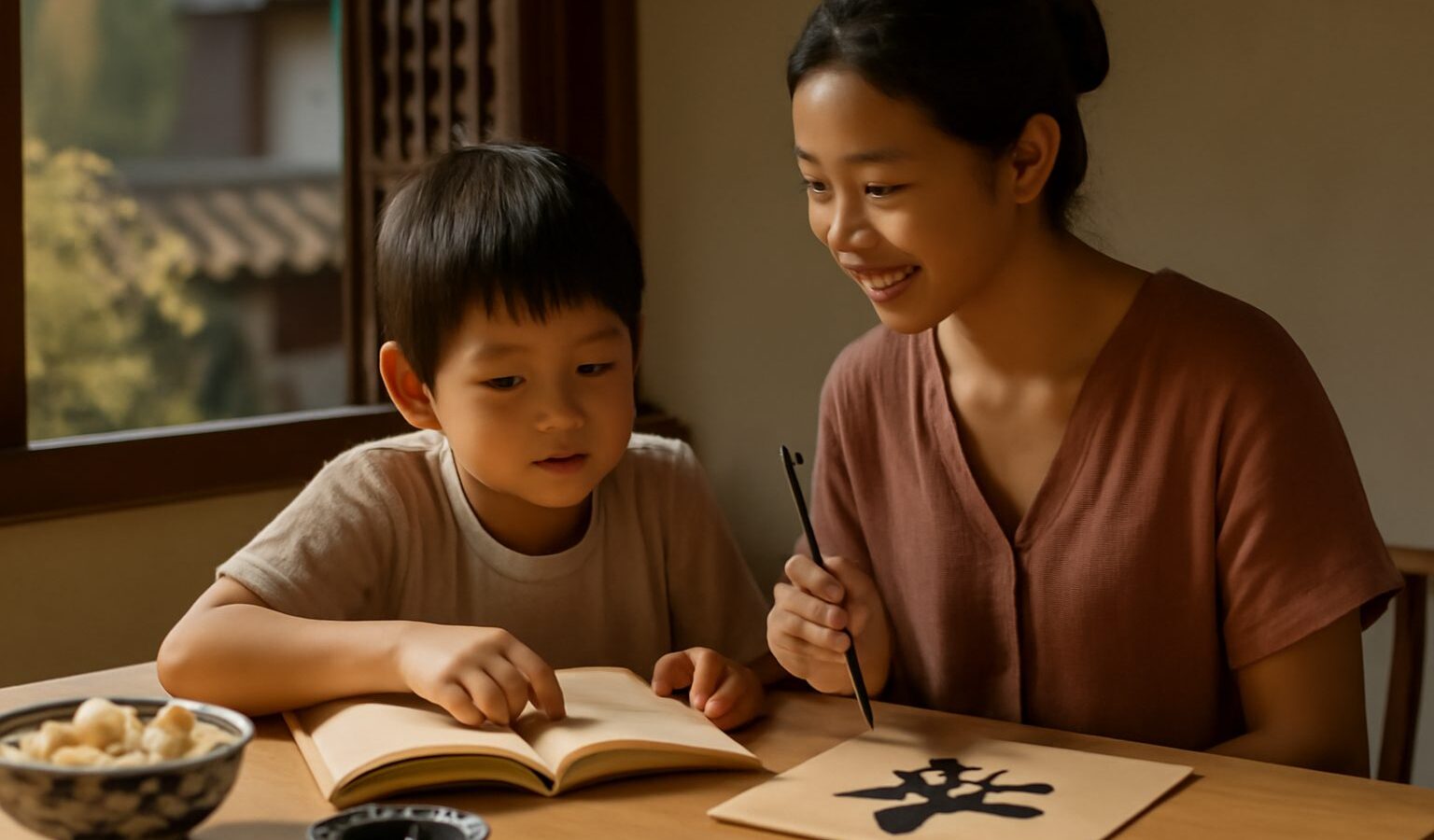
For many Singapore families, Mandarin is a school subject that children learn diligently but rarely use outside the classroom. A short Chinese immersion programme in China for kids, usually one to three weeks during the June or year-end holidays, offers something a classroom cannot: days where Mandarin is simply the language of everything, from ordering noodles to asking for directions.
This guide is about short holiday trips, not about moving a child to China for full-time schooling. It covers the main types of programmes, what children typically gain, the practical and safety checks to make, and how to tell whether your child is ready.

What a Short Immersion Trip Can and Cannot Do
It helps to set expectations before you look at programmes.
What a short trip often does well:
- Builds listening confidence, as children hear natural, fast Mandarin all day.
- Gets reluctant speakers talking, because they need to.
- Makes Chinese culture and history feel real rather than textbook-based.
- Gives children a reason to care about Mandarin when they return to school.
What it usually cannot do:
- Replace steady practice. Gains fade if Mandarin goes unused for months afterwards.
- Fix specific exam skills like composition or comprehension techniques in a matter of days.
- Suit every child. A very anxious or very young child may find it overwhelming.
Treat a trip as a motivating boost that you build on at home, not a shortcut to better grades.
Types of Chinese Immersion Programmes
Short holiday programmes in China come in several formats. The right one depends on your child’s age, independence and Mandarin level.
| Programme type | How it works | Best suited to | Key things to check |
|---|---|---|---|
| Family-accompanied language course | Child attends daily classes while a parent stays nearby | Younger children, first-time travellers | Class level, daily hours, accommodation near the school |
| Group study tour with chaperones | A group of children travels with organisers, mixing lessons and visits | Upper primary and secondary students | Chaperone ratio, supervision at night, itinerary detail |
| University or school summer programme | Structured courses run by an institution, often with dormitory stays | Older teenagers with decent Mandarin | Age requirements, accommodation, pastoral care |
| Homestay with local family | Child lives with a host family and attends lessons | Independent, adaptable older children | How hosts are selected, contact arrangements, emergency plans |
Some schools in Singapore also organise overseas learning journeys to China. These are separate from private programmes, so if your child’s school offers one, ask the school directly about its arrangements.
Choosing a Provider: Questions to Ask
Programmes are offered by a mix of language schools, education agencies, universities and tour operators. Quality varies, so ask detailed questions before committing:
- Who runs the programme on the ground? Is it the provider you are paying, or a partner in China?
- What does a typical day look like? Ask for a sample timetable with class hours, activities and free time.
- How are children grouped for lessons? Ideally by Mandarin level, not just by age.
- What is the supervision ratio? Ask how many adults accompany the group and how night-time supervision works.
- What happens in an emergency? Ask about medical support, how parents are contacted, and who makes decisions.
- What exactly is included? Flights, accommodation, meals, transport, excursions and insurance are often priced differently.
- What are the cancellation and refund terms? Read these carefully before paying a deposit.
Ask other parents who have used the programme, where you can, and be wary of vague answers on supervision or safety.
Travel Documents, Health and Insurance
Practical preparation matters as much as the course itself. This section is general information, so always confirm current requirements with the official source.
- Entry requirements. Visa and entry rules for China depend on your child’s nationality and can change. Check the latest requirements with the Embassy of the People’s Republic of China in Singapore well before booking.
- Children travelling without parents. If your child is travelling with a group rather than with you, ask the provider and the relevant authorities whether a consent letter or other documents are needed.
- Passport validity. Check expiry dates early and allow time for renewal if needed. For Singapore passports, renewals go through the Immigration and Checkpoints Authority (ICA).
- Health. Speak with your family doctor or a travel clinic about any recommended preparations for the destination, and pack enough of any regular medicine your child needs. This is not medical advice, so follow your doctor’s guidance.
- Insurance. Confirm that travel insurance covers your child for the full trip, including medical treatment and any activities in the programme. Read the policy wording rather than relying on a summary.
Our checklist on what to pack for a short trip with young children is a useful starting point for younger travellers.
Getting Your Child Ready Before Departure
Preparation makes the first few days far less stressful.
- Practise survival phrases. Greetings, asking for help, saying they feel unwell, and food allergies or dietary needs.
- Introduce daily life differences. Mobile payments, different food, crowded public transport and simplified characters in signage can all feel unfamiliar.
- Agree on contact routines. Decide when and how you will call or message, and what the programme’s phone rules are.
- Talk about homesickness. Let your child know it is normal to miss home and that it usually passes.
- Set a small goal. For example, ordering a meal alone or making one new friend. Goals give children something to feel proud of.
Making the Gains Last After the Trip
The weeks after returning are when many families lose momentum. A few simple habits help:
- Keep a short daily Mandarin habit, such as reading a few pages or watching a show in Mandarin.
- Encourage your child to stay in touch with friends or hosts they met, in Chinese.
- Ask them to teach the family something they learned.
- Let their Mandarin teacher know about the trip, so they can encourage your child to share in class.
Is Your Child Ready? A Quick Check
A short immersion trip tends to work best when:
- Your child already has basic everyday Mandarin, even if they are shy about using it.
- They have spent time away from home before, such as a school camp.
- They are curious about China, not just being sent.
- You are comfortable with the provider’s supervision and emergency arrangements.
If your child is younger or less confident, consider a family-accompanied course, or combine some lessons with a family visit. Our guide to planning your trip back to China from Singapore covers practical travel planning that applies to family trips as well.
Done thoughtfully, a short Chinese immersion trip can turn Mandarin from a subject your child studies into a language they actually use, and that change in attitude often lasts long after the holiday ends.
Further reading: Overseas Learning Trips in Singapore Schools: Costs and Funding