
Choosing a baby carrier singapore parents will actually reach for every day comes down to two things: safety and comfort. A good carrier keeps your little one snug and secure while leaving your hands free for the lift button, your groceries or a hot cup of kopi. Babywearing can soothe a fretful newborn, ease the daily commute and help you get things done, but only when the carrier fits both of you well and is used correctly. This guide explains the main types, the safety rules that matter most, and how to judge a good fit, all without pointing you to any particular brand.
Types of Baby Carriers
There is no single best carrier, only the one that suits your baby’s age, your body and your routine. Getting to know the main styles helps you shortlist sensibly.
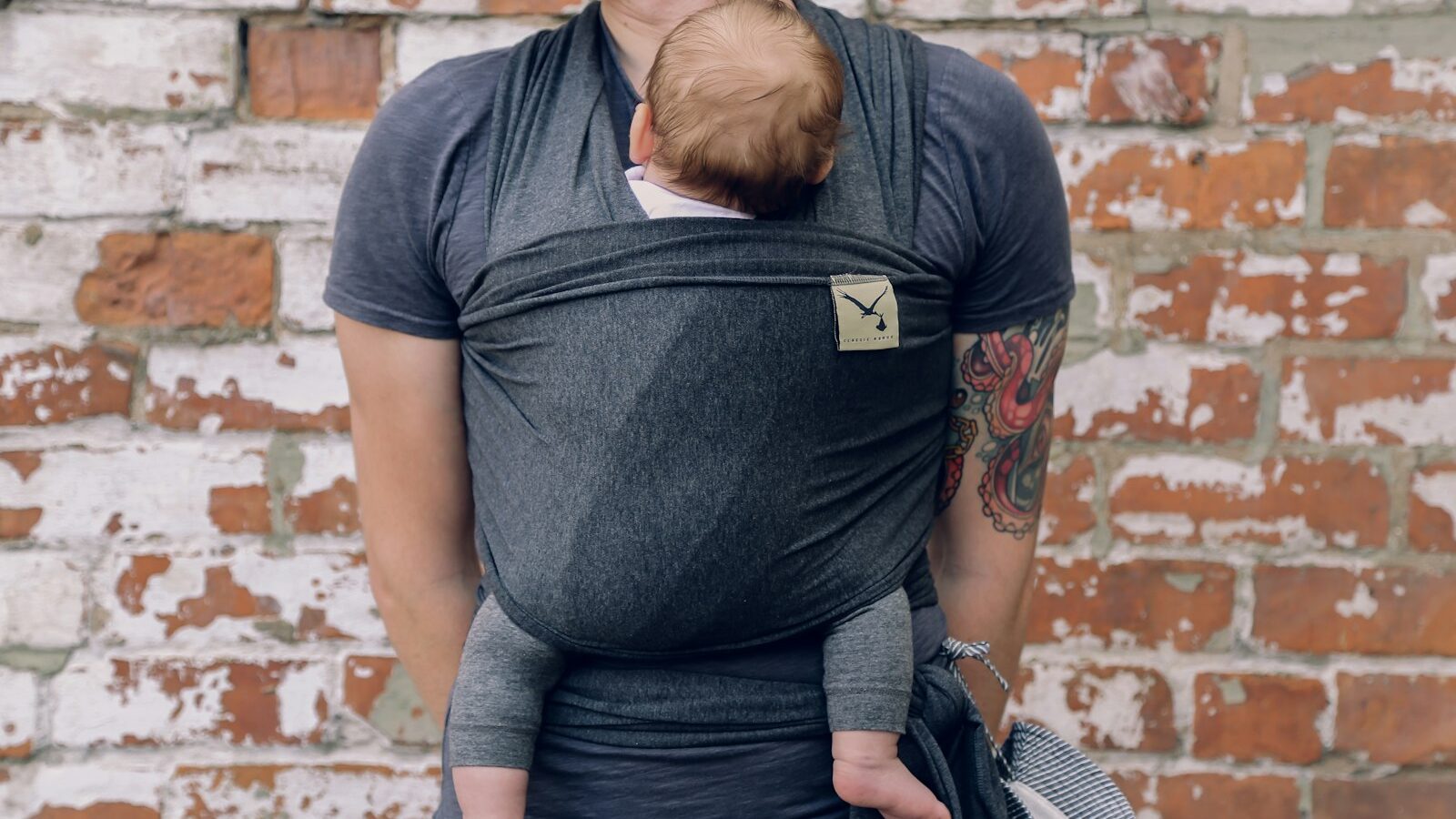
Stretchy wraps are long pieces of soft fabric that you tie around your body. They mould closely to a newborn and spread weight comfortably, though the tying takes a little practice. Woven wraps are firmer and support babies and toddlers across a wider age range, but they have the steepest learning curve.
Ring slings are a single width of fabric worn over one shoulder with a pair of rings to adjust the tension. They are quick to put on and handy for short trips, though the one-shoulder design can feel less balanced during long wear.
Structured carriers, sometimes called soft structured carriers, use padded straps and buckles with a defined seat. They are popular for their quick, adjustable fit and are often the easiest for partners to share. Many offer newborn settings or an insert, so check the age and weight range before you buy.
Meh dais and half-buckle carriers sit between wraps and structured carriers, combining a fabric panel with tie or buckle straps for a customisable fit.
In Singapore’s warm, humid climate, breathable fabric and good airflow matter a great deal. Lighter, mesh-panelled designs can make a real difference to comfort for both of you.
Safety First: The T.I.C.K.S. Rule
Whatever style you choose, safe positioning is non-negotiable, especially with newborns. The widely used T.I.C.K.S. rule is an easy way to remember the essentials every single time you put your baby in:
- Tight: the carrier should be snug, holding your baby close against you. A loose carrier lets your baby slump, which can restrict breathing.
- In view at all times: you should be able to see your baby’s face simply by glancing down.
- Close enough to kiss: your baby’s head should be near your chin, so you can tip your head and kiss the top of their head.
- Keep chin off the chest: there should be at least a finger’s width under your baby’s chin. A curled chin can block the airway.
- Supported back: your baby’s back should be gently supported in its natural position, with their tummy and chest against you.
Check these points each time, and check again after adjusting straps or moving about. Newborns have limited head and neck control and cannot reposition themselves if they slump, so close attention is essential.
Hip-Healthy Positioning
Beyond airway safety, how your baby’s legs and hips sit matters for healthy development. Aim for the “M” position, where your baby’s knees are higher than their bottom and their legs spread gently around your body in a squat-like shape. The carrier should support your baby from knee to knee rather than leaving the legs to dangle from the crotch.
Positions where a baby hangs by the groin with legs straight down are not ideal for developing hips. Look for a carrier with an adjustable, supportive seat that can grow with your child. Facing your baby inward towards you is the gentlest option in the early months, as it supports the head and spine and reduces overstimulation.
Fit and Comfort for the Wearer
A carrier that hurts your back will end up in the cupboard, so your comfort counts too. Wide, padded shoulder straps and a supportive waistband spread the load across your hips and shoulders rather than your neck. If more than one person will wear it, choose something that adjusts quickly and easily between body shapes.
Practise putting the carrier on at home, ideally over a bed or sofa and with someone nearby, before you head out. Take your time learning the buckles or ties until they feel second nature.
Choosing by Age and Weight
Always follow the manufacturer’s stated age, weight and height limits, as these vary between designs. The table below offers a general guide to what tends to suit each stage. Treat it as a starting point rather than a rule.
| Stage | What often suits | Key focus |
|---|---|---|
| Newborn | Stretchy wrap, ring sling, structured carrier with newborn setting | Head and neck support, snug fit, airway |
| Older baby | Woven wrap, structured carrier | Hip position, back support, airflow |
| Toddler | Toddler-sized structured carrier or woven wrap | Weight limit, seat width, wearer comfort |
Practical Tips for Everyday Use
Dress your baby in one light layer, since your body heat adds warmth, and never cover their face with fabric that could trap heat or limit airflow. Stay hydrated in the heat, and take breaks on long outings. Be mindful when bending: squat from the knees rather than tipping forward, and keep one hand near your baby on stairs or escalators.
If you ever feel unsure about the fit, a babywearing group, a trained consultant or a knowledgeable retailer can check your positioning in person. It is well worth the reassurance.
Babywearing, done safely, is a lovely way to stay close to your baby while getting on with daily life. Take the time to choose a carrier that fits well, follow the safety points every time, and enjoy the closeness that comes with it.