
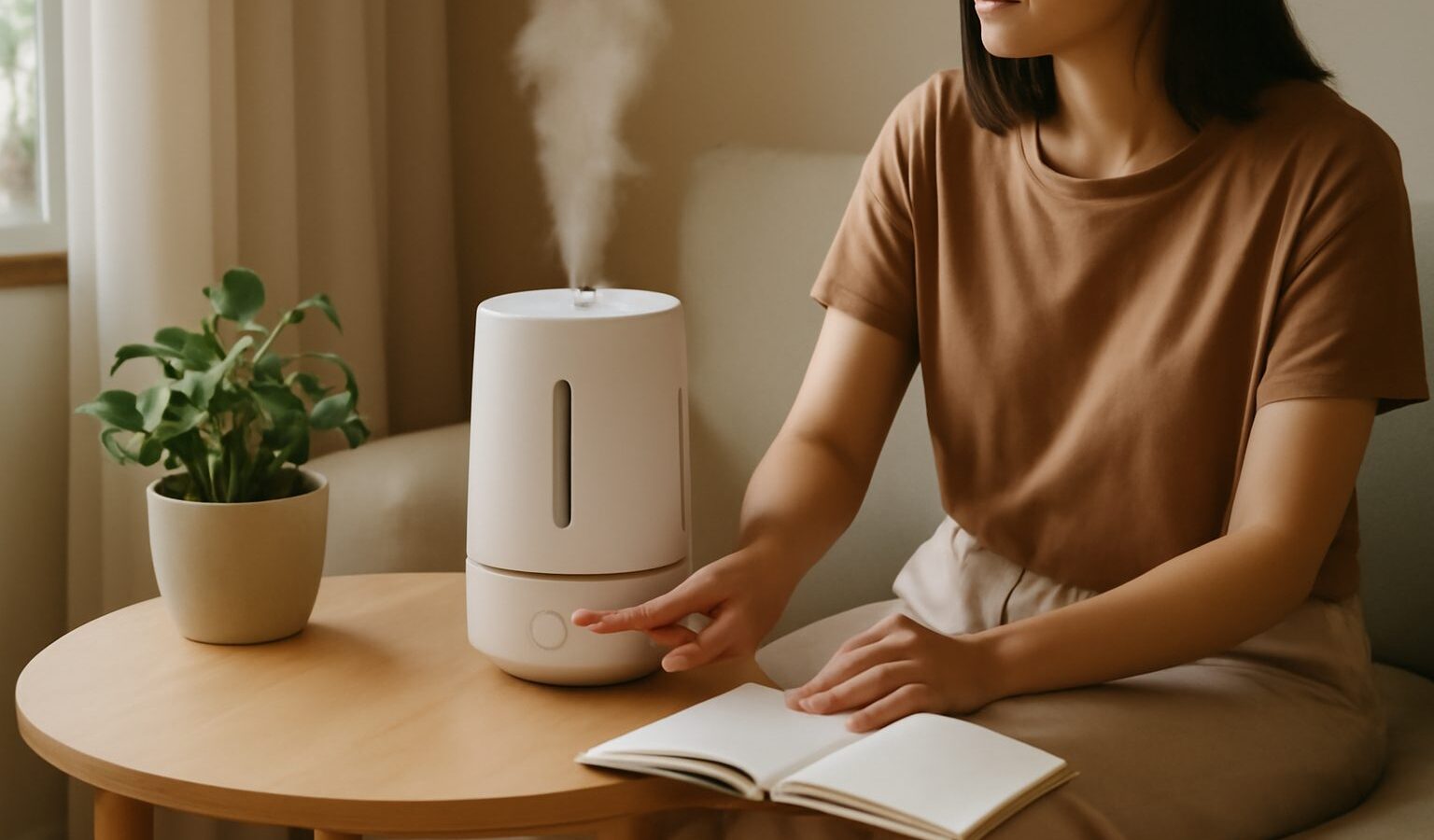
Before you buy a humidifier singapore homes rarely need one, and being honest about that will save you money and trouble. Our climate is warm and humid nearly all year, so the usual problem in a local flat is too much moisture in the air, not too little. For most households the appliance that solves the real problem is a dehumidifier, which removes moisture, rather than a humidifier, which adds it. A humidifier has its place, but a narrow one, and this guide explains exactly where it helps, when to skip it, and how to use one safely.
Do You Actually Need One
Start with the honest question. Outdoor humidity here is high, and indoor spaces often feel damp rather than dry. If you are battling musty smells, mould on walls or in cupboards, clothes that will not dry, or condensation, then you need a dehumidifier, not a humidifier. Adding moisture to an already humid room can make mould and dust mites worse, so reaching for a humidifier in that situation is the wrong move.
Where a humidifier can genuinely help is a specific, drier setting: a room that runs an air conditioner for many hours. Air conditioning cools by pulling moisture out of the air, so a bedroom or office kept cold overnight or all day can become noticeably dry. That dryness is what leaves some people with a scratchy throat, dry skin, irritated eyes or a dry nose in the morning. In that narrow case, a modest amount of added humidity in the closed, air-conditioned room can make things more comfortable.
When a Humidifier Helps and When It Does Not
The rule of thumb is simple. Use a humidifier only in a dry, air-conditioned room, and only when the air genuinely feels dry, not as a default. Do not run one in a room with the windows open to the humid outdoors, and do not run one alongside a dehumidifier, which would just have the two appliances fighting each other.
| Situation | What you likely need |
|---|---|
| Musty smell, mould, damp cupboards | Dehumidifier |
| Laundry not drying indoors | Dehumidifier or better airflow |
| Dry throat in a cold aircon bedroom | Humidifier, used in moderation |
| General humid, sticky flat | Neither, or a dehumidifier |
The safest approach is to measure rather than guess. An inexpensive hygrometer shows the room humidity, and a broadly comfortable indoor range sits somewhere in the middle band, neither parched nor damp. If a reading shows the air is already moist, put the humidifier away.
Types of Humidifier
If your situation fits the narrow case above, it helps to know the main types. Evaporative humidifiers draw air through a wet wick, which is self-limiting because the air will only absorb so much moisture. Ultrasonic humidifiers use high-frequency vibration to throw out a fine cool mist; they are quiet and popular, but if you fill them with hard tap water they can scatter fine white mineral dust onto nearby surfaces. Warm-mist humidifiers boil water to release steam, which can feel soothing but involves hot water, so they need extra care around children.
Whichever type you consider, match the tank size and output to the room. A small bedroom needs only a modest unit, and an oversized humidifier in a small closed room can push humidity too high, which brings back the very damp problems you were trying to avoid.
Keeping It Clean and Safe
This is the part that matters most, because a neglected humidifier becomes a health hazard. Standing water in the tank is a breeding ground for mould and bacteria, and a dirty unit can then spray those straight into the air you breathe. If you use one, commit to cleaning it, or do not use it at all.
Empty and dry the tank daily when in use, rather than topping up over stale water. Clean and disinfect the tank and any wick or reservoir regularly following the maker instructions, and replace filters or wicks on schedule. Consider using cooled boiled water or distilled water to cut down on mineral scale and white dust, and never add essential oils unless the model is designed for them, as oils can damage the plastic and clog the works.
Use the humidifier in moderation. Run it only while the room is dry and occupied, switch it off when you air the room out, and keep an eye on the hygrometer so the space does not tip into dampness. Place the unit on a waterproof surface away from walls and electronics so any mist does not settle where it should not.
Sizing and Simple Alternatives
If your situation truly fits the dry air-conditioned room, size the unit to that single room rather than the whole flat, and pick a tank you are willing to empty and refill daily. A smaller unit is easier to keep clean, and cleanliness is the whole game with this appliance. Before you commit, try the cheaper fixes first, because they often solve the discomfort without another machine to maintain. Setting the air conditioner a degree warmer, closing it off earlier in the night, keeping a glass of water by the bed, or simply letting the room breathe fresh humid air for a while in the morning can all ease a dry throat. A bowl of water in the room does very little and is not a real substitute. Reserve the humidifier for the case where these steps are not enough and a hygrometer confirms the air is genuinely dry.
The Bottom Line
For the great majority of homes here, the appliance to prioritise is a dehumidifier, which tackles the damp, mould and musty smells that our climate actually produces. A humidifier is a niche tool, useful mainly for a dry, heavily air-conditioned room and someone who suffers from that dryness. If you do buy one, size it to the room, keep it scrupulously clean to avoid mould and bacteria, and use it sparingly. Any model you choose should run on Singapore mains of 230V and 50Hz with the standard three-pin BS 1363 plug. Bought for the right reason and maintained well, a humidifier can add real comfort; bought by mistake, it simply makes a humid home worse.
Explore more
Dehumidifiers for Humid Homes
Drying Laundry in Humid Weather
Energy-Efficient Appliances
Home Appliance Shopping