
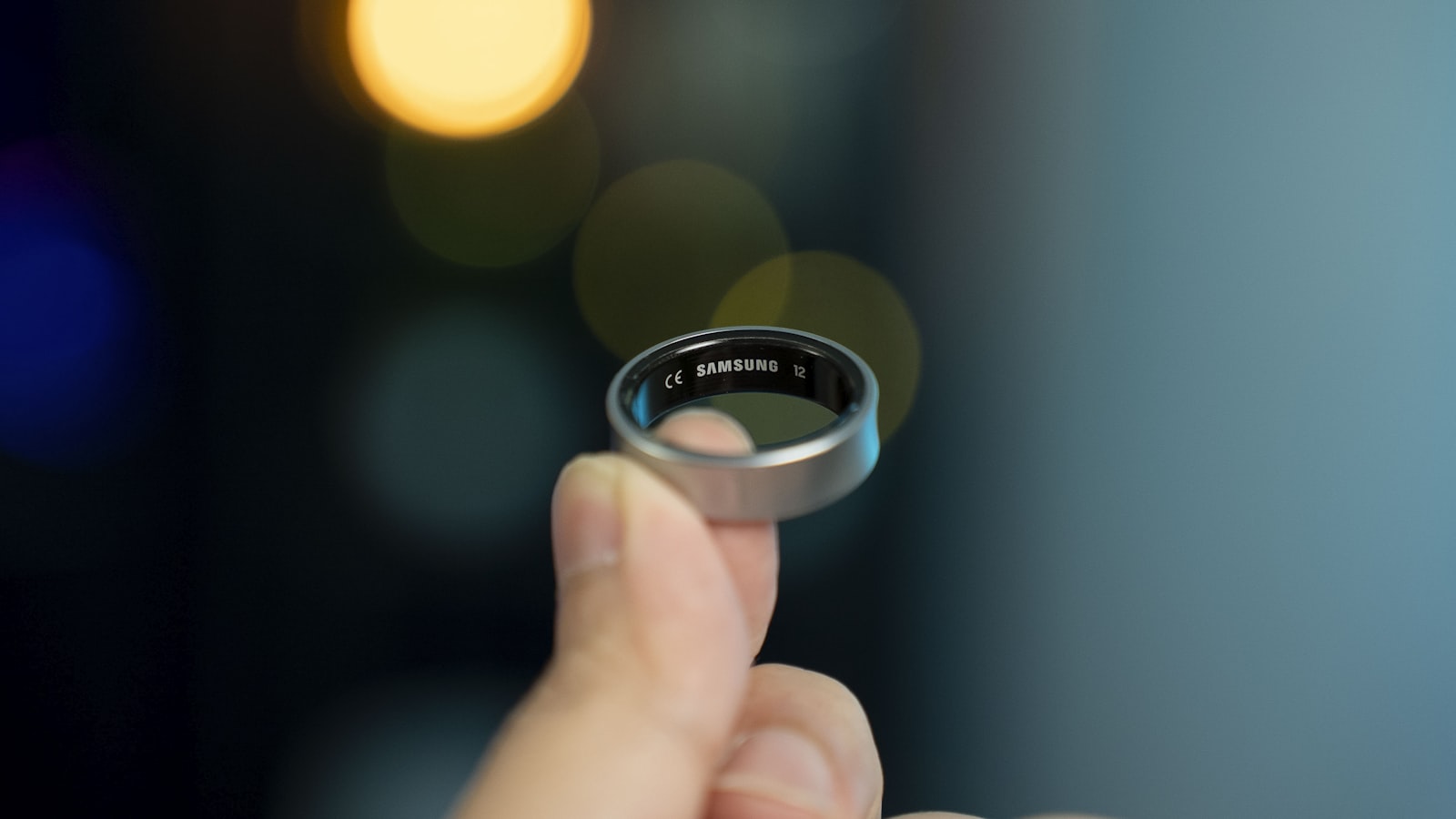
A smart ring in Singapore is no longer a curiosity. Alongside the familiar smartwatch, a new wave of discreet wearables now tracks your sleep, activity and general wellbeing from your finger rather than your wrist. For anyone who finds a watch bulky at night or simply prefers something you barely notice, a ring is an appealing alternative. But the category moves fast, and the marketing can outrun the reality, so it helps to understand what these devices actually measure and where the ongoing costs hide.
This guide covers what wearables track, how a ring compares with a watch, the battery and comfort trade offs, and the subscription question that catches many buyers by surprise. A quick note before we start: consumer wearables are wellbeing and fitness tools, not medical devices, so treat their readings as helpful signals rather than diagnoses.
What smart rings and wearables actually track
Most modern wearables share a common set of sensors, and understanding them tells you what you are really paying for.
Heart rate monitoring is the foundation. Using light shone into the skin, a device estimates your pulse through the day and during exercise. From this it often derives heart rate variability, a measure that many devices use to gauge recovery and stress, giving you a rough sense of whether your body is rested or run down.
Sleep tracking is where rings genuinely shine. Worn overnight, a ring sits snugly and comfortably enough that it captures sleep stages, duration and disturbances more consistently than a watch that many people remove before bed. If your main goal is understanding your sleep, this is the strongest argument for a ring.
Activity and steps are standard, along with estimated calories and, on many devices, blood oxygen and skin temperature trends. Temperature tracking is increasingly used to flag changes overnight and, on some devices, to support cycle tracking for women. Treat all of these as trends over time rather than precise instant readings. A single night’s number means little; a fortnight of data showing a clear direction is where the value lies.
What wearables mostly cannot do is replace clinical measurement. Readings can be affected by fit, movement and skin tone, so if something in the data worries you, the sensible response is to see a doctor rather than to trust the gadget.
Ring versus watch: which suits you
The honest answer is that they serve overlapping but different needs, and the best choice depends on your habits.
A smartwatch does more on the surface. It shows notifications, has a screen you can glance at, often includes built in GPS for accurate outdoor route tracking, and can run apps, take calls and handle payments. If you want an active companion that keeps you connected and maps your runs, the watch remains the more capable device.
A smart ring is about invisibility and comfort. There is no screen, so you check your data on your phone rather than the device. That sounds like a limitation, but for many people it is the appeal, because a ring gathers data quietly without buzzing at your wrist or tempting you to check messages. It is far more comfortable to sleep in, tends to last much longer between charges, and disappears under gloves or long sleeves. The trade off is that it will not show you a live pace during a run, and it relies on your phone for GPS.
Some people wear both, using a watch for workouts and a ring for round the clock health tracking. If you are choosing one, ask what you most want to learn. For sleep and recovery, lean toward a ring. For active workouts, notifications and on wrist convenience, a watch fits better.
Battery, fit and comfort
These practical details decide whether you will actually keep wearing the device after the first month.
Battery life is a real differentiator. Many smart rings last several days on a charge, while most smartwatches need charging every day or two. A ring that lasts through the working week means you rarely miss overnight data because the device died, which matters when sleep tracking is the point. Do note that a ring is charged on a small dock, and losing that dock is more of a nuisance than misplacing a common cable.
Fit is more important for a ring than a watch. Because the sensors press against your skin, a ring must be correctly sized, and fingers swell and shrink with heat, exercise and time of day. Reputable makers offer a sizing kit so you can wear a plastic dummy ring for a day or two before ordering. Take that step seriously, since a ring that is loose gives poor readings and one that is too tight is uncomfortable. In Singapore’s warm climate, sizing on a hot afternoon rather than an air conditioned morning gives a more realistic fit.
Material and durability matter too. Look for a titanium or similarly tough build with a scratch resistant finish, and check the water resistance rating if you want to keep it on while washing hands or swimming.
| Feature | Smart ring | Smartwatch |
|---|---|---|
| Sleep tracking | Excellent, comfortable overnight | Good, if worn to bed |
| Notifications and screen | None, phone only | Full on device |
| Battery life | Several days typical | Often daily charging |
| Built in GPS | Usually relies on phone | Often built in |
| Comfort for all day wear | Very high | Moderate |
Subscriptions and the total cost
Here is the detail that surprises buyers. The price on the box is not always the full story.
Some wearables, particularly certain smart rings, pair the hardware with a monthly or yearly subscription that unlocks the detailed insights, trends and coaching. Without the subscription you may still get basic numbers, but the deeper analysis that made you want the device can sit behind the paywall. Other makers include everything in the purchase price with no ongoing fee. Neither model is wrong, but you should know which one you are buying, because a subscription over several years can cost more than the ring itself.
Before you commit, check three things. First, does the core functionality you want work without paying more each month. Second, what exactly does the subscription add, and would you genuinely use it. Third, what happens to your data and features if you stop paying. A device that becomes a plain step counter the moment you cancel is a weaker long term buy than one that stays useful.
Smart rings and the newer wearables are a genuinely nice way to understand your sleep and daily activity without a screen on your wrist. Choose based on what you want to learn, take sizing seriously, and read the subscription terms closely. Keep the readings in perspective as wellbeing signals, and a discreet wearable can become a quietly useful part of a healthier routine.