
Scent has a remarkable power to move us. A single sniff can carry you back to a childhood kitchen, a rainy afternoon, or a holiday by the sea. Collecting perfume in Singapore taps directly into that magic, turning fragrance into an absorbing hobby of discovery, memory, and personal expression. It is a wonderfully sensory pastime that you can begin gently, one small bottle or sample at a time. You do not need a shelf of expensive flacons to call yourself a collector. You need a curious nose and a willingness to explore. This guide walks you through the basics of fragrance, how to build a collection thoughtfully, and how to care for your scents in our warm climate.
Understanding Fragrance Basics
To enjoy this hobby fully, it helps to learn a little of the language of scent. Perfumes are usually described in terms of notes that unfold over time. Top notes are the first impression, bright and fleeting. Heart or middle notes form the main character as the top notes fade. Base notes are the deep, lasting foundation that lingers longest on your skin. Learning to notice this evolution transforms wearing a perfume into a small, pleasurable event rather than a background afterthought.
Fragrances are also grouped into broad families that make exploring easier. You will hear about floral, fresh and citrus, woody, oriental or amber, and gourmand scents that smell of sweet, edible things like vanilla and caramel. Discovering which families you naturally love, and which you do not, is one of the earliest and most enjoyable steps. It gives shape to your collecting and stops you buying blindly.
Concentration matters too. Terms like eau de toilette and eau de parfum describe how much fragrance oil a scent contains, which affects how strong and long lasting it is. In our hot and humid weather, lighter concentrations often feel more comfortable during the day, while richer ones come into their own in air conditioning or cooler evenings. Paying attention to how scents behave on your own skin, in this specific climate, is part of the fun.
Building a Collection You Love
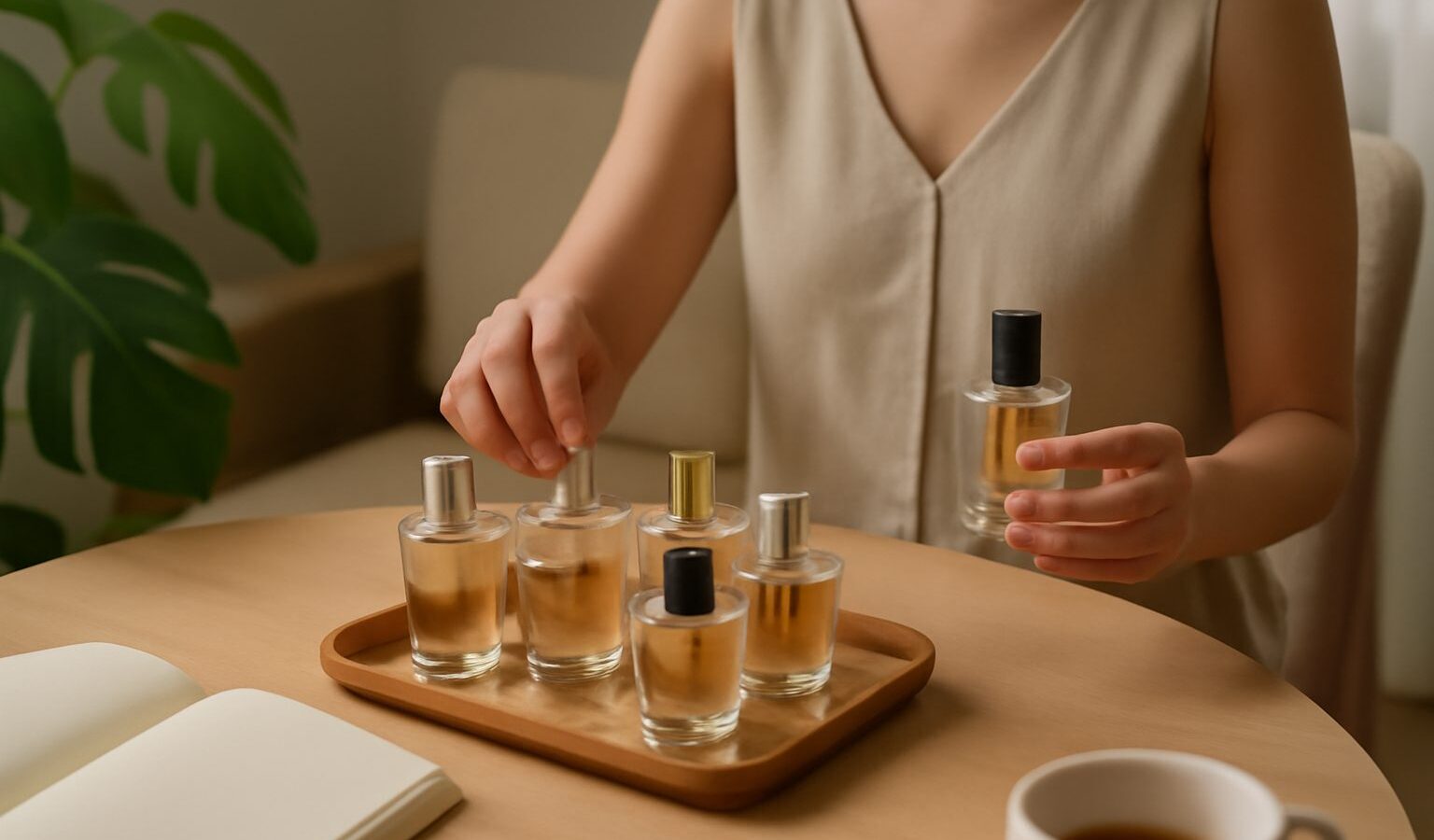
The smartest way to begin is small and cheap. Rather than splurging on full bottles, start with samples and travel sizes, which let you try many scents for a fraction of the cost. Sampling widely trains your nose and helps you learn your own taste before you commit real money to any single perfume. Many enthusiasts keep a tray of samples they revisit in different moods and seasons.
As your preferences sharpen, you might shape your collection around a theme, just as other collectors do. Some people gather scents from a particular family they adore, others collect by mood, by season, or by the story and craft behind independent perfume houses. There is no correct approach, and a collection that mirrors your own life and memories will always feel richest. A gentle guiding principle is to buy perfumes you will actually wear and enjoy, not ones you feel you should own.
A note on cost and value. This is general hobby guidance, not financial advice, and perfume is best thought of as something to enjoy rather than an investment. Prices vary enormously, and a scent you love is worth more to you than any resale figure. Test before you buy wherever you can, since a fragrance can smell quite different on your skin than on a paper strip or a friend.
Storing Scents and Avoiding Fakes
Perfume is surprisingly delicate, and our climate is tough on it. The three great enemies are heat, light, and air, all of which break down fragrance and cause it to turn or fade. Store your bottles somewhere cool, dark, and stable, such as a cupboard or drawer away from windows and bathrooms, since heat and humidity in a bathroom degrade scents quickly. Keep bottles upright with their caps firmly on, and try not to shake them unnecessarily. Stored well, a good perfume can last for years.
Counterfeit perfumes are a real problem, and some fakes look convincing on the shelf while smelling wrong, fading fast, or even irritating the skin. Protect yourself with a few sensible habits:
- Buy from authorised retailers, reputable boutiques, and trusted sellers rather than anonymous bargain listings
- Be sceptical of prices that seem far too good to be true, a classic sign of a fake
- Check packaging, batch codes, and bottle quality against the genuine product where you can
- When buying pre-owned or online, favour sellers with strong reputations and clear return policies
A quick word on safety. Perfumes are for wearing, not ingesting, and because fragrances contain concentrated ingredients, some people find certain scents irritate sensitive skin. If you have known sensitivities or allergies, patch test a new fragrance on a small area first, and stop using anything that causes a reaction. This is general information, not medical advice, so see a doctor for any persistent skin concern.
If you enjoy the sensory and creative side of scent, you may love making your own with our guide to perfume and fragrance blending. Kindred collectors might also enjoy the patient pleasures of collecting watches, or our broader guide on how to start a collection as a hobby.
Collecting perfume is a hobby of memory, beauty, and everyday luxury. Start with samples, learn your favourite families, store your bottles with care, and stay alert to fakes. Follow your nose, and you will build a collection that feels unmistakably, delightfully yours.