
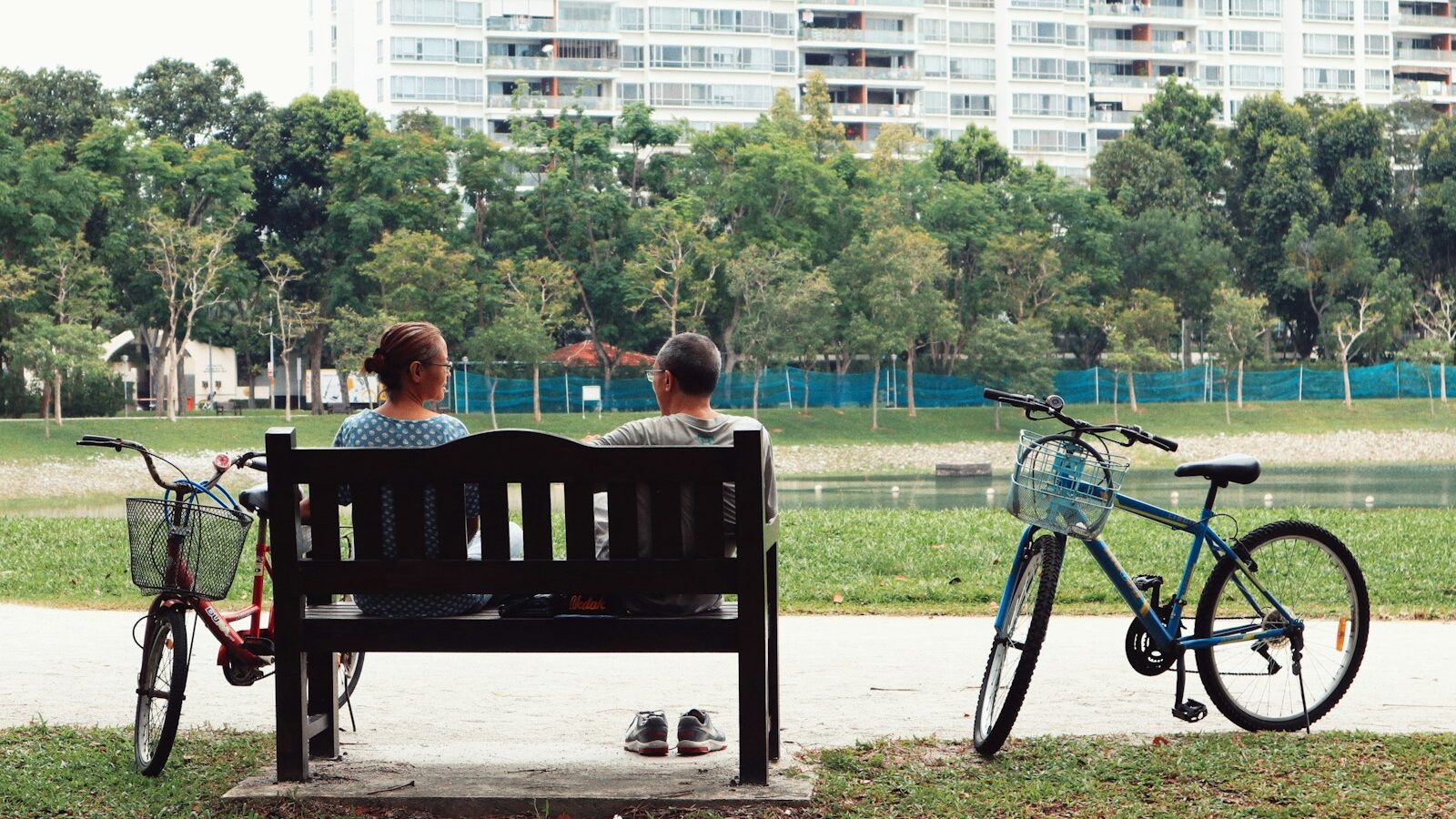
Loneliness is not a character flaw or a sign of weakness. It is a normal human response to going without the connection we all need, and it becomes more common as we grow older. Retirement ends daily contact with colleagues, friends pass away or move, adult children get busy with their own families, and health or mobility problems make it harder to get out. Understanding loneliness in seniors in Singapore, and knowing there are gentle, practical ways to ease it, is the first step to helping an older person, or yourself, feel connected again. There is nothing shameful about feeling lonely, and reaching out for company is a sign of good sense, not helplessness.
This guide offers general information and encouragement rather than medical advice. If low mood, anxiety or persistent loneliness is affecting daily life, it is worth speaking to a doctor or a trained counsellor. For emotional support, please look up current helpline numbers, for example through HealthHub or the Samaritans of Singapore, as these can change over time.
Why Loneliness Grows in Later Life
Later life brings a series of quiet transitions, and each one can loosen the ties that keep us socially connected. Recognising the common drivers helps families and seniors respond with compassion rather than judgement.
- Loss of daily structure. Work gives most people a built-in social circle and a reason to leave the house. When that ends, the days can feel emptier and contact drops without anyone intending it.
- Bereavement. Losing a spouse, siblings or long-time friends removes the people a senior spent the most time with, and grief can make reaching out feel harder.
- Health and mobility. Poor eyesight, hearing loss, chronic pain or difficulty walking can turn a simple outing into a daunting task, so seniors gradually stay in.
- Family living apart. Adult children may live in another town or overseas, or simply lead hectic lives, so visits become less frequent.
- Language and confidence. Some older people feel out of step with a fast-changing city or unsure using new technology, which can make them withdraw.
None of these mean a senior is destined to be lonely. They simply point to where a little support can make a real difference.
How Loneliness Affects Health and Wellbeing
Loneliness matters because it does not stay in the mind alone; it affects the body too. Prolonged social isolation is linked with higher risks of low mood and depression, poorer sleep, and a faster decline in memory and thinking. An isolated senior may eat less well, move around less, and miss the early warning signs of illness that a visiting friend or relative would notice. Company is not a luxury for older people, it is part of staying well.
The encouraging flip side is that connection protects health. Regular contact gives seniors a reason to get dressed, get out and stay active. It keeps the mind engaged, lifts mood, and creates a safety net of people who would notice if something were wrong. Treating social connection as seriously as diet and exercise is one of the kindest things a family can do.
Practical Ways to Stay Connected
The good news is that Singapore has a rich network of places and services designed to bring seniors together, and small habits at home add up. There is no single right answer; the aim is to find a mix that suits the person.
- Active Ageing Centres. Found in many HDB neighbourhoods, these community hubs run activities, exercise sessions and social gatherings for older residents, and staff can also check in on seniors living alone. They are a natural first port of call.
- Befriending services. Volunteers visit or phone seniors regularly for a chat and a friendly eye on their wellbeing. Ask the Silver Generation Office or the Agency for Integrated Care about befriending schemes near home, and look up current services as they are updated from time to time.
- Interest groups and classes. Shared hobbies are one of the easiest ways to make friends. Community centres and Active Ageing Centres offer everything from tai chi and karaoke to gardening and craft.
- Volunteering. Helping others gives purpose and company at once. Many seniors find deep satisfaction mentoring younger people or supporting their community.
- Faith and community groups. Temples, churches, mosques and clan or dialect associations offer regular gatherings, familiar faces and practical support.
- Staying close to family. Regular meals, a standing weekly phone call or a shared WhatsApp group keep bonds warm even when everyone is busy.
- Technology and video calls. A tablet or smartphone can bring grandchildren into the living room through a video call. Learning a few simple apps opens the door to messaging, photos and online interest groups.
Starting small is fine. One weekly activity or one regular visitor can gently rebuild a sense of belonging.
Matching the Cause to a Connection
Every senior is different, so it helps to think about what is driving the isolation and pick a response that fits. The table below pairs common causes with ideas that tend to work well.
| Isolation driver | Connection idea to try |
|---|---|
| Retired and missing daily routine | Join an Active Ageing Centre or take a regular community centre class |
| Grieving the loss of a spouse or friend | Befriending service and a faith or community group for gentle, steady company |
| Limited mobility, hard to get out | Home visits, phone befriending, and video calls with family |
| Family living far away or overseas | Learn video calling and set a standing weekly call or shared chat group |
| Wants purpose, not just activity | Volunteering or mentoring through a community organisation |
| Shy or low in confidence | Start with a one-to-one befriender before joining bigger groups |
How Families and Neighbours Can Help
Loneliness is often eased not by grand gestures but by ordinary, reliable kindness. Family members can build small rituals into the week: a shared meal, a regular call at a set time, or bringing a parent along to family outings so they feel included rather than a burden. Helping a senior set up a phone, saving important contacts and teaching one app at a time gives them independence and a lifeline. It also helps to encourage rather than pressure; invite an older parent to try a centre or class, offer to go with them the first time, and let them set the pace.
Neighbours matter just as much. A friendly hello in the lift, keeping an eye on someone who lives alone, or simply knocking to say hello turns a block of flats into a community. If you know an older person living on their own, the small effort of staying in touch can mean the world.
It is worth learning to spot an isolated senior. Warning signs include rarely leaving home, letting go of hobbies and appointments, a neglected flat or appearance, weight loss, low mood or vagueness, and going quiet for long stretches. If you notice these, approach with warmth and patience rather than alarm. Ask how they are, listen without rushing to fix things, and offer to help them connect with an Active Ageing Centre, a befriending service or their doctor. If you are worried about their safety or mental health, look up current support services and helplines and encourage them to reach out. Reconnecting can take time, and a steady, caring presence is often the most powerful help of all.
Explore More
Feeling connected is closely tied to feeling well. For the wider network of help available in your neighbourhood, read Community Support for Seniors in Singapore. And because mood and mind matter deeply in later life, Mental Health and Ageing in Singapore offers a warm, practical look at staying mentally well as we age.